
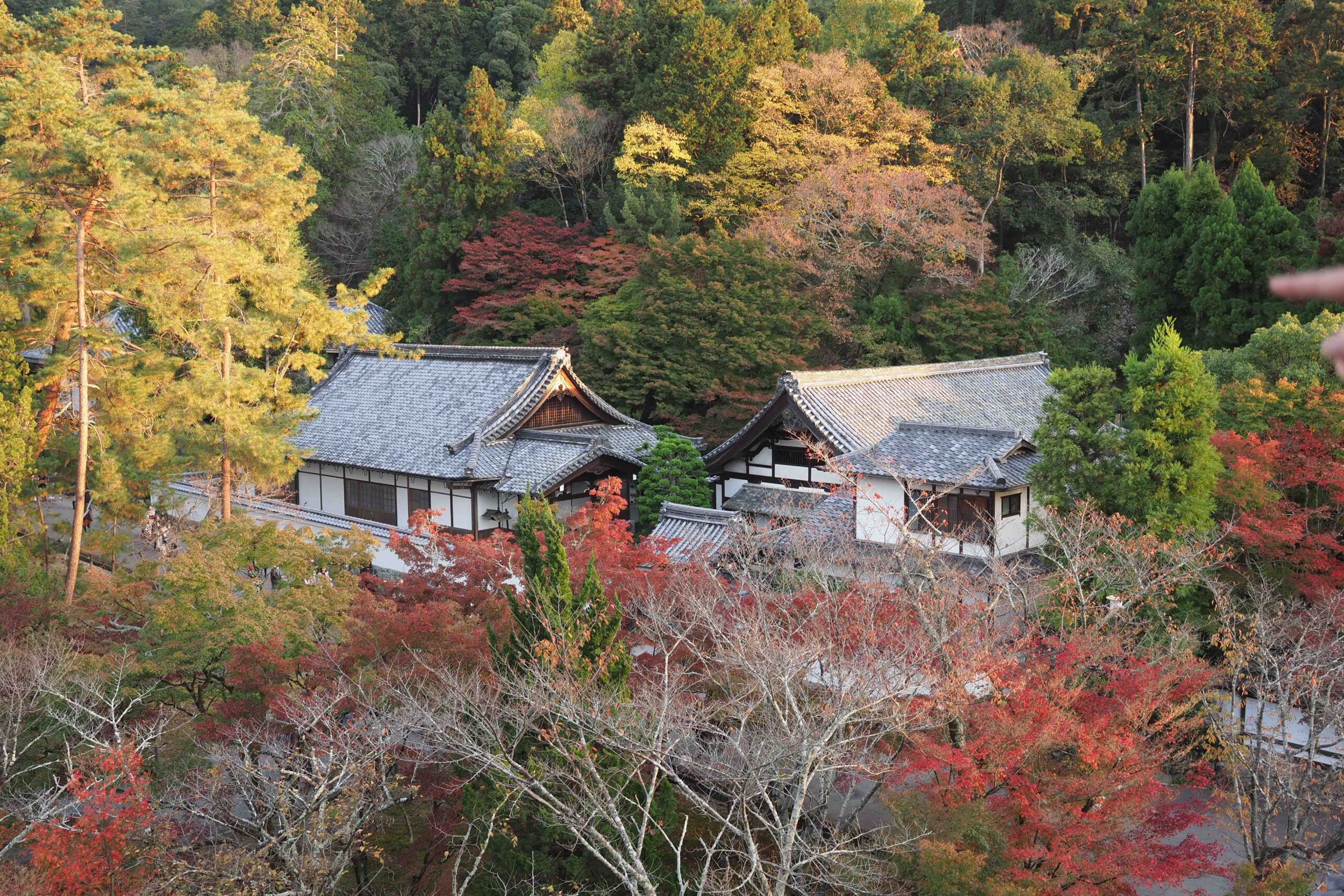
A Guide to the Best Areas to Stay in Kyoto
Kyoto will be sitting pretty as a highlight on most itineraries to Japan, whether you’re visiting for the first time, or like me, try to visit annually.
I’ve photographed in and around Kyoto for over 20 years now; it’s a city I find so culturally fascinating, with 1600 temples, 400+ shrines and 17 UNESCO World Heritage Sites. I doubt I’ll ever get bored; there’s always something new to see, favourites to revisit, or somewhere I haven’t yet explored.
Now, if you’re planning a trip to Kyoto and want to find an ideal base for your time there, the city map can look a little overwhelming. There’s Gion, Higashiyama, Kyoto Station area, Arashiyama, and you’re no doubt asking yourself, where do you stay in Kyoto for the best experience?
The answer lies in the type of experience you’re keen to have. If you’re a foodie and love evening wanders, want to explore the bars and nightlife, but still fill your day with iconic sites and cultural wonders, anywhere in Gion or downtown Kyoto will work just fine.
If, though, you want to plan a little more thoroughly and learn what is in each area so you can map out your sunrise photography adventures, and know which station is close by and best suited for day trips from Kyoto, this guide is for you.

While Kyoto’s efficient transport network makes it relatively easy to move between neighbourhoods, the area you choose as your base will shape the way you experience the city, from quiet walks before breakfast to evenings spent wandering lantern-lit streets long after many visitors have returned to their accommodation.
Unlike many cities where attractions are concentrated within a single district, Kyoto unfolds gradually. Historic streets blend into residential neighbourhoods, peaceful temple gardens sit tucked behind the busiest sightseeing routes, and each area reveals a different perspective of the city’s cultural landscape. The beauty of Kyoto lies not in rushing between landmarks, but in allowing time to explore each neighbourhood at its own pace.
There are so many temples hidden between shops or houses; it’s well worth allowing time to wander and get beautifully lost with your camera. Just be mindful that most are still very actively used by locals as places of reflection, practice and devotion.
Travel note: Most stores won’t open until 9 or 10 am, so if you’re looking for a café open at 6 or 7 am close to your hotel, it’s worth researching this in advance, or booking a hotel in Kyoto with Breakfast included, as they’re hard to find. That said, most 7-11 stores and combinis are open and have some amazing snacks and coffee options to take with you while photographing early before the crowds – just don’t eat + walk!
Choosing the Right Hotel for Exploring Kyoto
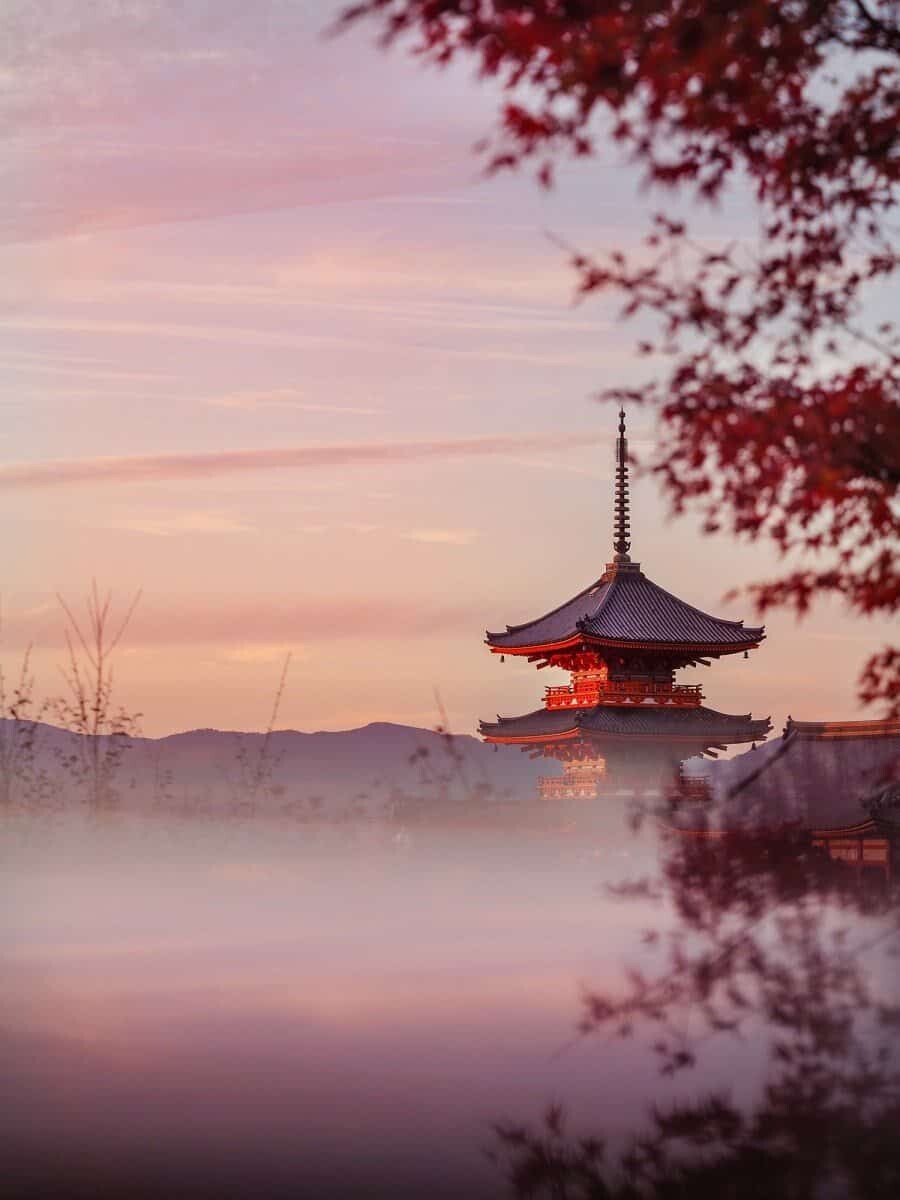
If photography is part of your journey, choosing the right base becomes even more important. Staying within walking distance of Kyoto’s historic streets means you can experience places such as Yasaka Pagoda, Ninenzaka and Kiyomizu-dera in the soft light of early morning before the crowds arrive. A more central location, however, offers greater flexibility for discovering local restaurants, markets and day trips, while still keeping Kyoto’s photographic highlights within easy reach.
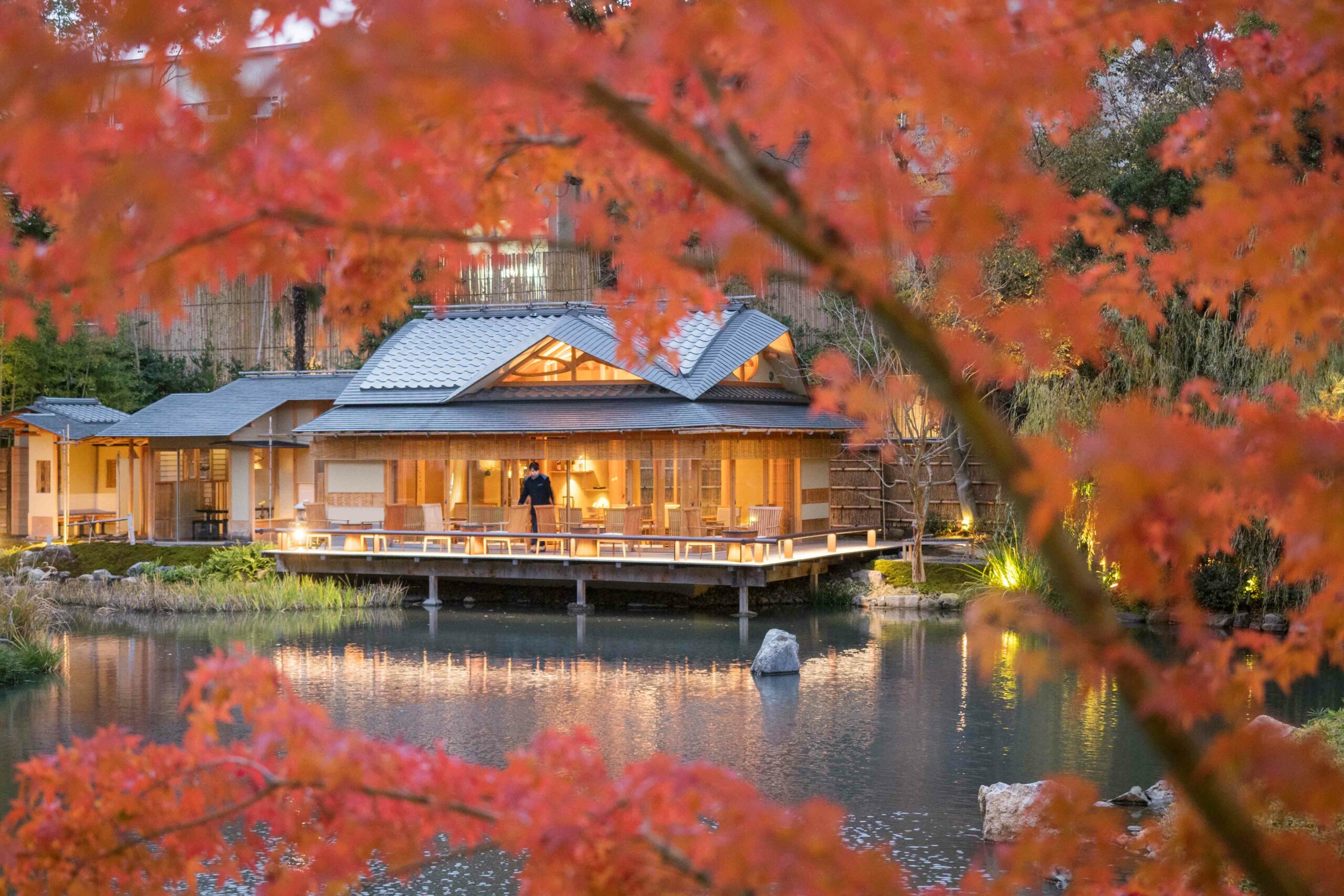
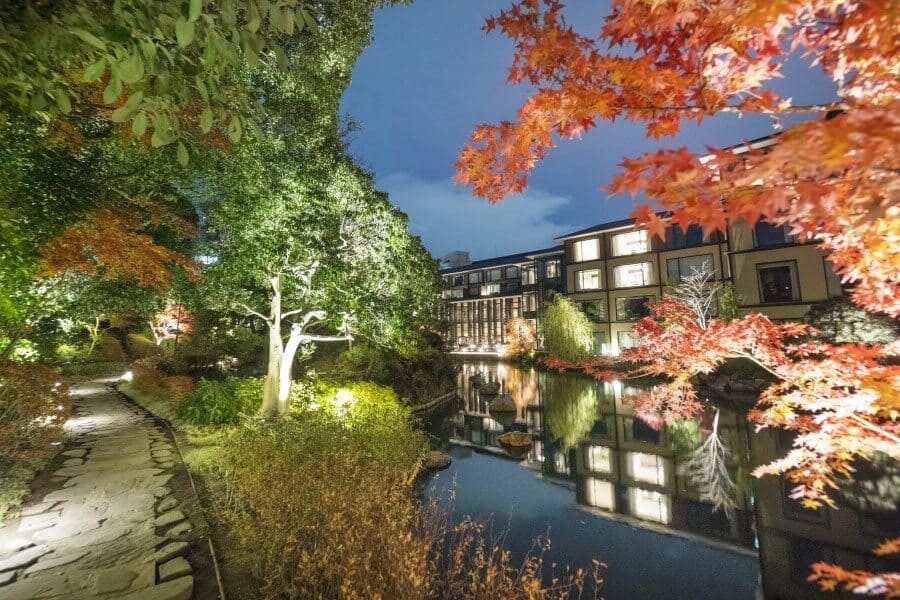
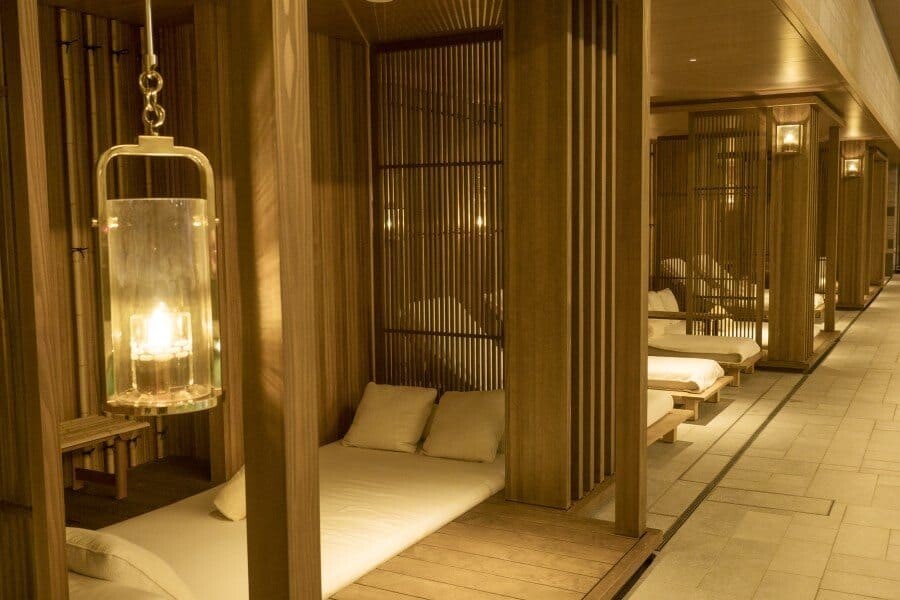
The image above is from the Four Seasons Kyoto in the Higashiyama district.
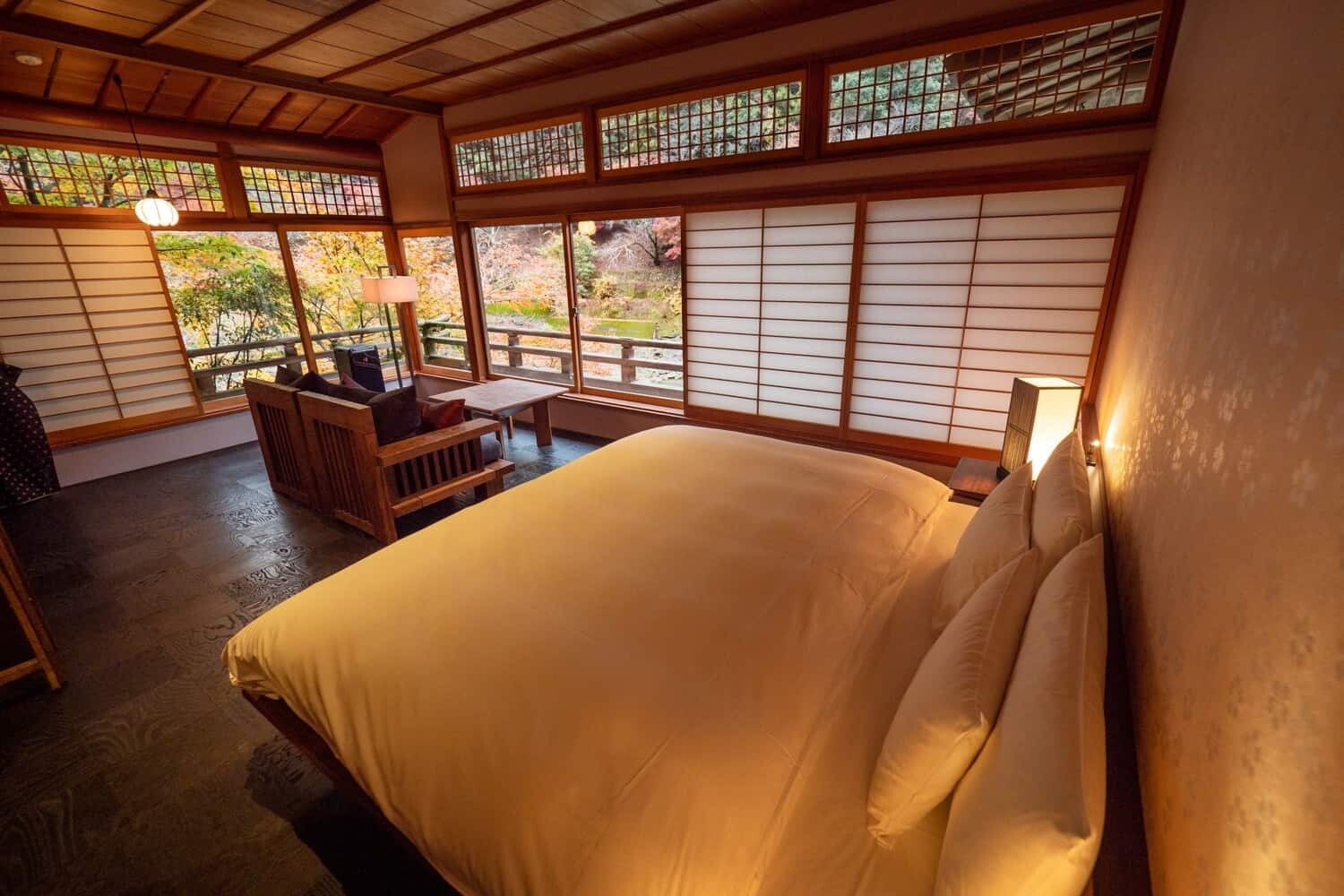
Over several visits to Kyoto, I’ve stayed in different parts of the city, and in hotels, ryokans or machiya of various budgets, depending on the season, the style of trip and the locations I planned to photograph. Each has offered something unique. Rather than recommending the closest hotel to a particular attraction, this guide explores the different experiences each area offers, helping you choose a base that suits the way you hope to explore Kyoto.
Before deciding where to stay, it helps to understand how Kyoto is laid out. Although the city is compact enough to explore over several days, each area offers a distinct atmosphere and lends itself to a different style of travel.
In this guide we’ll explore:
- Historic Kyoto – Gion, Higashiyama, Kiyomizu-dera and Kyoto’s beautifully preserved streets, ideal for travellers hoping to immerse themselves in the city’s traditional character.
- Kyoto City Centre – A lively base with restaurants, cafés, shopping, markets and excellent transport connections, making it an easy choice for exploring the wider city.
- The Temples of Northern Kyoto – Home to peaceful temple gardens, seasonal colour and some of Kyoto’s most rewarding places to slow down and explore with a camera.
- Arashiyama – Bamboo groves, riverside walks, forested hills and a quieter side of western Kyoto.
- Southern Kyoto – Best known for Fushimi Inari and the historic sake district, with convenient access to Nara and the surrounding region.
While each of these areas has its own appeal, not all of them are necessarily the best places to base yourself. Some are better enjoyed as day trips from a central location, while others reward travellers who stay nearby and experience them beyond the busiest hours. Throughout this guide, I’ll explain where I think each area fits within a Kyoto itinerary, helping you choose a base that complements both your travel plans and your photography.
Historic Kyoto: Gion + Higashiyama
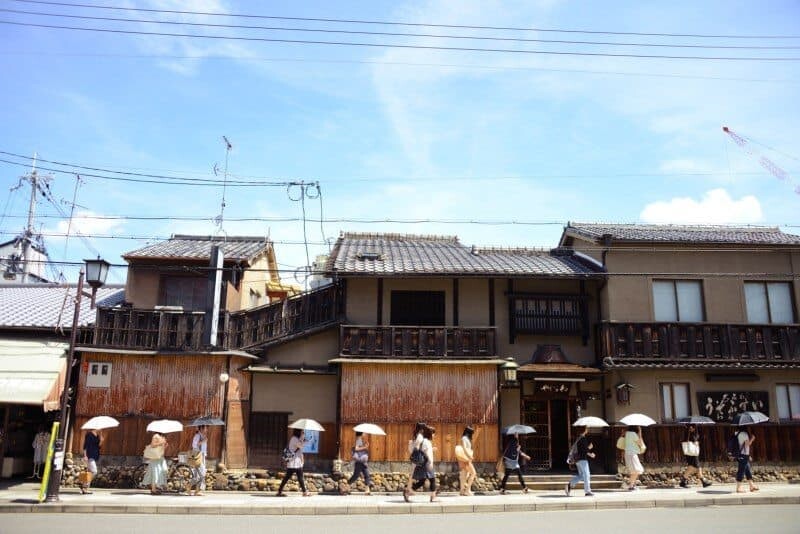
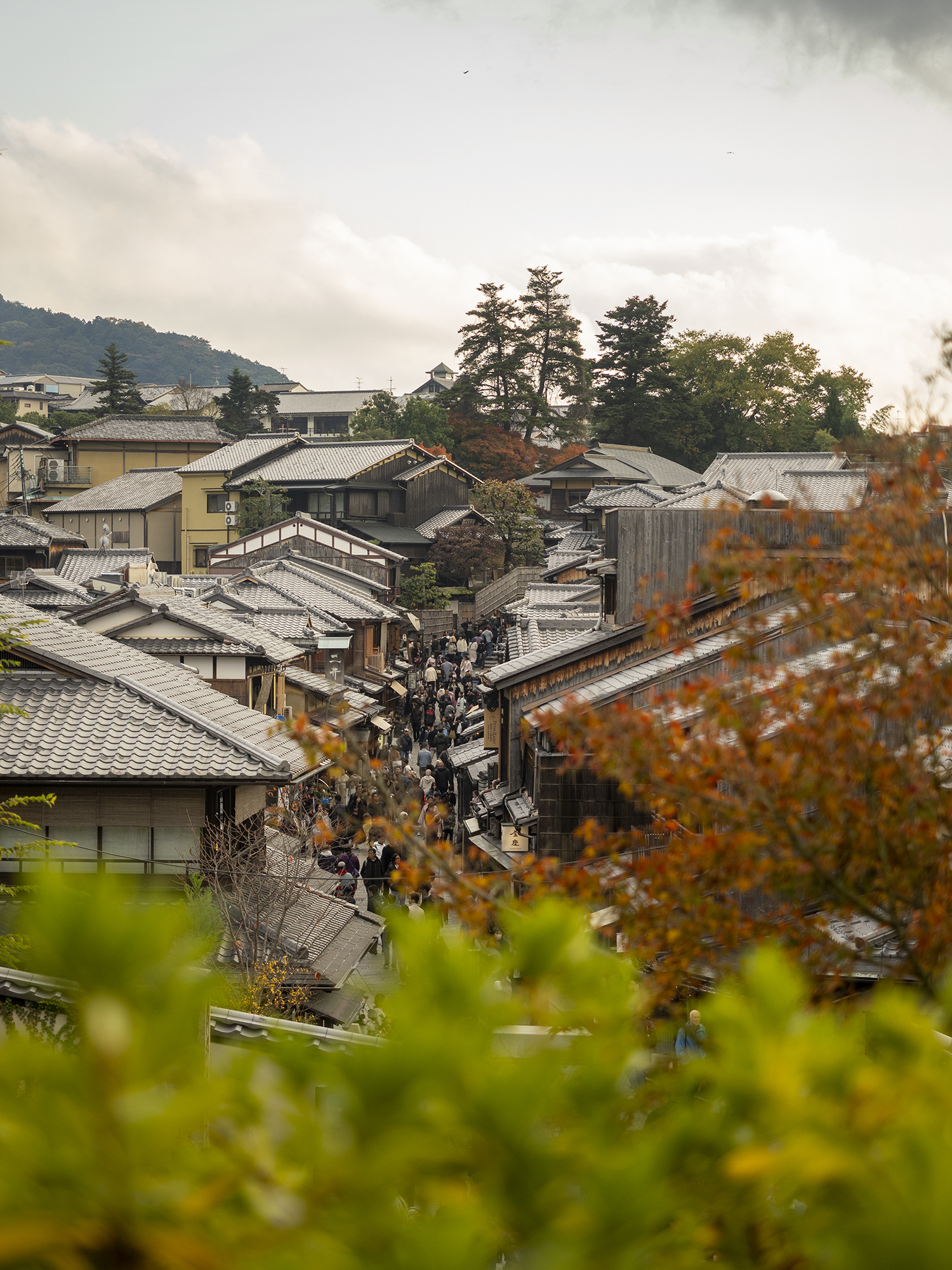
If the Kyoto you’ve imagined is one of traditional wooden machiya, stone pathways, temple gates and narrow streets illuminated by lanterns, Gion and Higashiyama place you right amongst it. Stretching across Kyoto’s eastern side, this is where many of the city’s most recognisable scenes are found, with a distinct advantage for photographers wanting to explore during the quieter hours.
From a base in Gion or Higashiyama, you can walk to Yasaka Shrine, Yasaka Pagoda, Ninenzaka and Sannenzaka, Kennin-ji and Kiyomizu-dera, while the Kamo River and Pontocho are also within easy reach. Early mornings are particularly rewarding, when the streets surrounding Yasaka Pagoda and Higashiyama are far quieter than later in the day.
Gion is also well connected for exploring further afield. Gion-Shijo Station sits on the Keihan Main Line, providing direct access south to Fushimi-Inari Station and north towards Demachiyanagi and north-eastern Kyoto. Kyoto-Kawaramachi Station is just across the Kamo River, adding useful connections towards western Kyoto and Arashiyama. Hotels like Laon Inn Gion (a budget option), and Kyoto Granbell Hotel (luxe + so lovely) are great choices if you’re keen to use Gion as your base, they’re both a two-minute walk to the subway, and close to combinis and restaurants.
While you’re not beside Kyoto Station, for most visitors this isn’t a major disadvantage. Many of Kyoto’s key photography locations are either within walking distance or easily reached by train or bus, while staying in Gion gives you the added benefit of being able to explore the historic district early in the morning and again in the evening.
Consider staying in Gion or Higashiyama if: historic Kyoto and early morning photography are high on your list, you enjoy exploring on foot, and you want a well-connected base with plenty to photograph nearby.
Kyoto City Centre: Convenience Without Being Far from Historic Kyoto
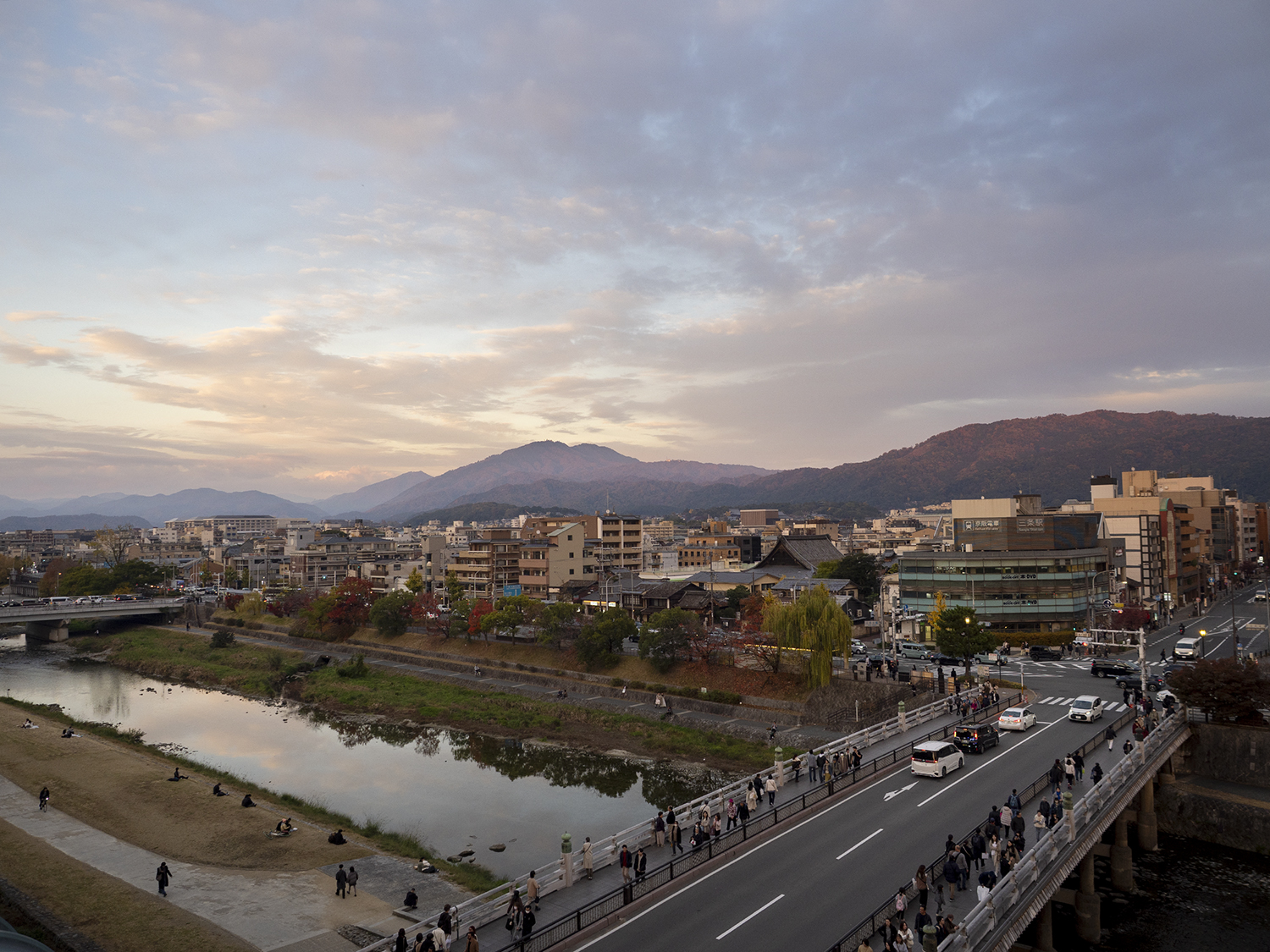
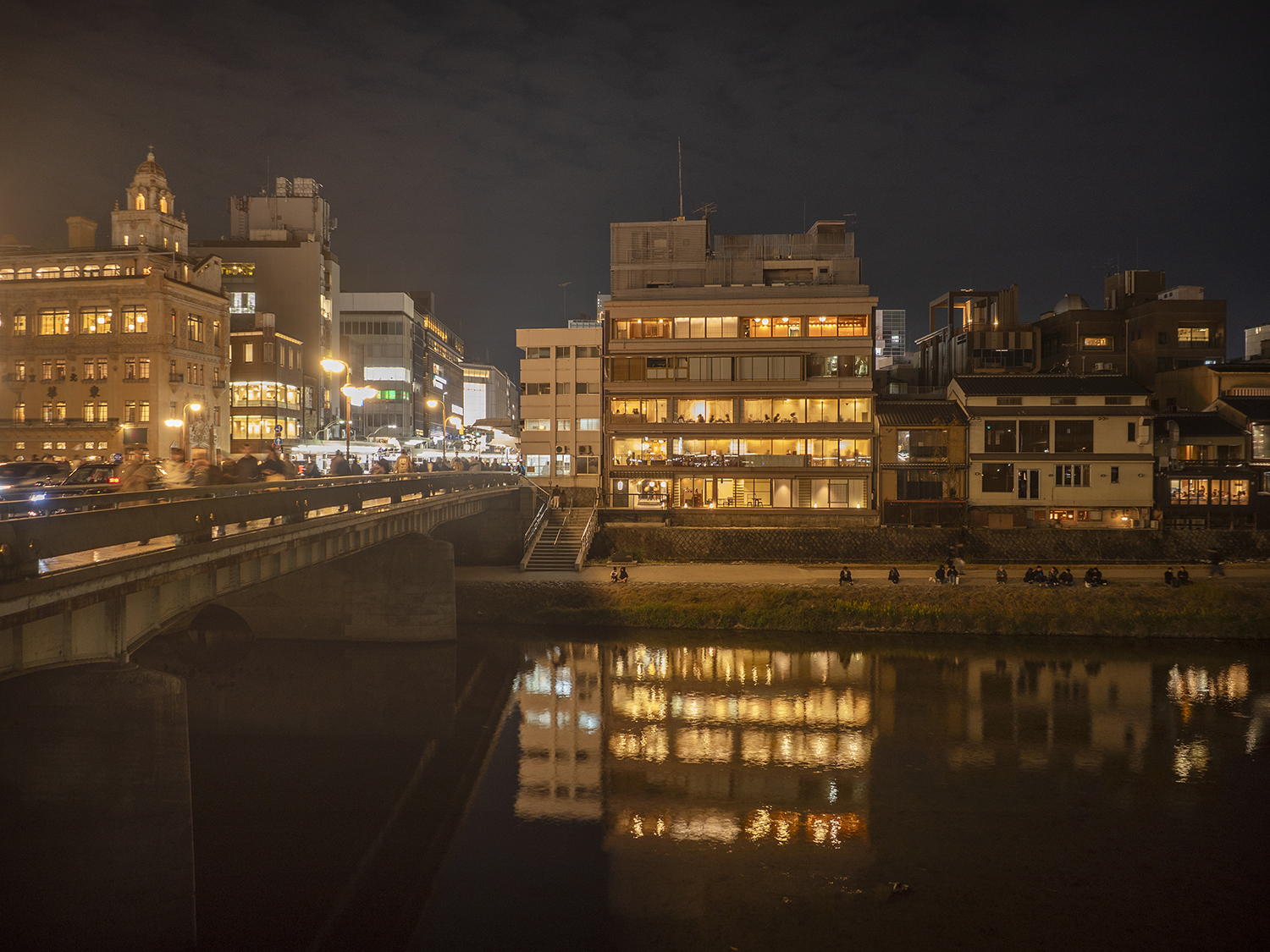
For travellers who want to explore widely, Kyoto City Centre is one of the most versatile bases. The area around Kawaramachi, Shijo and Karasuma places Nishiki Market, Teramachi and Shinkyogoku shopping streets, Pontocho and the Kamo River nearby, with Gion just across the river.
Staying centrally also gives you a different perspective to photograph. Markets, narrow lanes, riverside scenes and the contrast between contemporary streets and traditional architecture provide plenty to explore between visits to Kyoto’s temples and historic districts. There’s also a much greater concentration of restaurants, cafés, shops and evening activity.
Some of my favourites in this area include: The Royal Park Hotel Kyoto Sanjo, Hotel Resol Kyoto Kawaramachi Sanjo and Sora Niwa Terrace Kyoto which is right near an award-winning gyoza bar!
Transport is the biggest advantage. Multiple rail and subway lines, along with extensive bus routes, make it easy to reach Arashiyama, northern Kyoto, Fushimi and Kyoto Station. You can photograph Higashiyama in the morning, return for lunch, then head elsewhere in the city for the afternoon without spending too much of the day in transit.
Consider Kyoto City Centre if: you want a convenient base for exploring across Kyoto, easy access to transport, plenty of dining options and Gion still within walking distance.
And Kyoto Station?
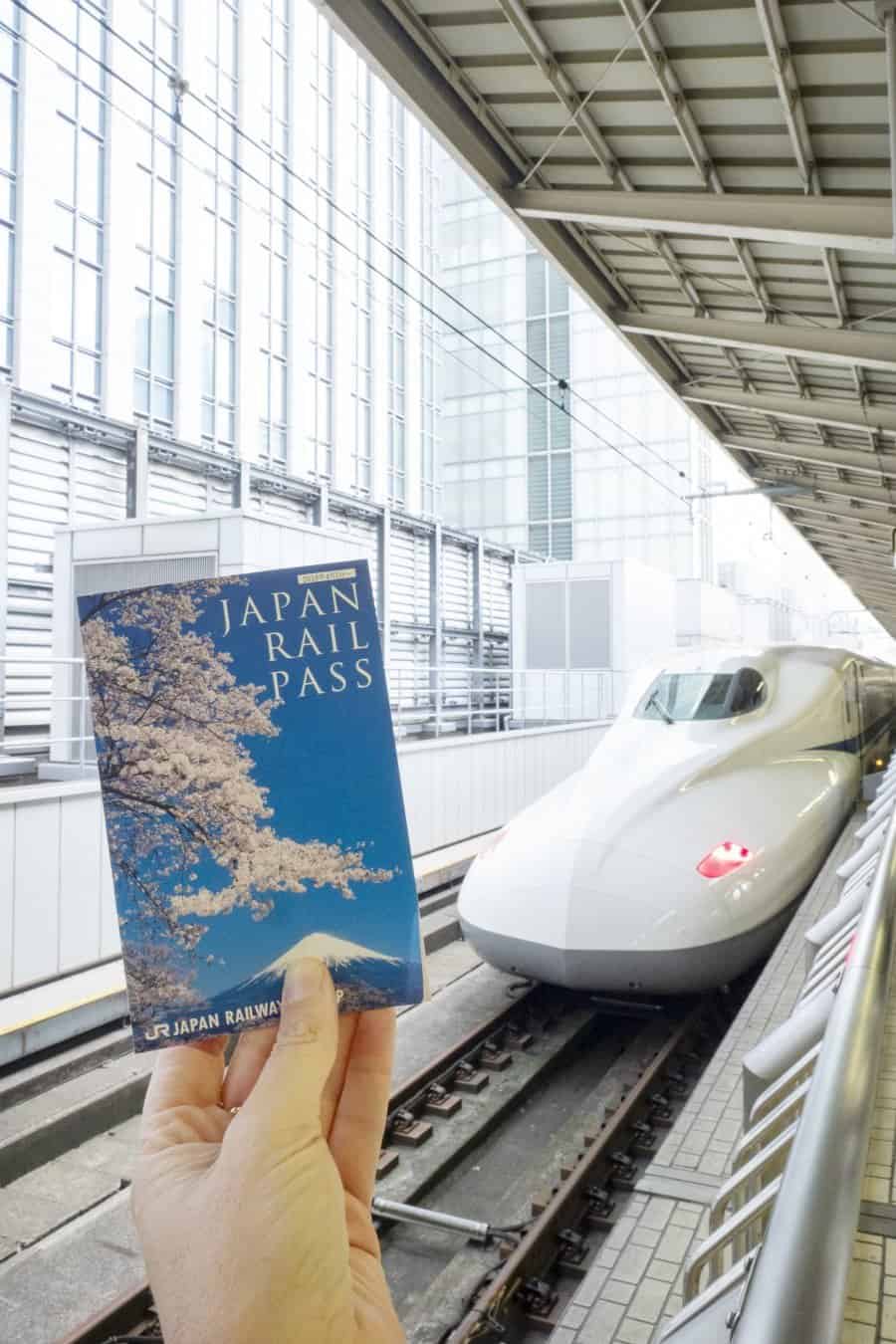
Kyoto Station deserves a mention because it’s often presented as one of the main areas to stay in the city. From a practical perspective, it’s excellent. If you’re arriving late, leaving early, travelling with substantial luggage or planning frequent trips beyond Kyoto, being beside the Shinkansen and regional rail network can make life considerably easier.
There are some great hotels near Kyoto Station like the Rihga Gran Hotel, The Thousand Kyoto (gorgeous!), or the Kyoto Tower hotel, but for a photography-focused visit to Kyoto itself, however, I’d generally favour the city centre or historic east. Kyoto Station is a transport hub rather than an area I’d choose for its proximity to the places I’d most want to wander on foot with a camera from my hotel.
That doesn’t make it a poor choice, simply a different one. For a short stay centred around Kyoto itself, I’d prioritise atmosphere and walkability. For a trip involving frequent rail journeys to Osaka, Nara or destinations further afield, the convenience of the station becomes much more compelling.
Northern Kyoto: Art, Temples + Gardens
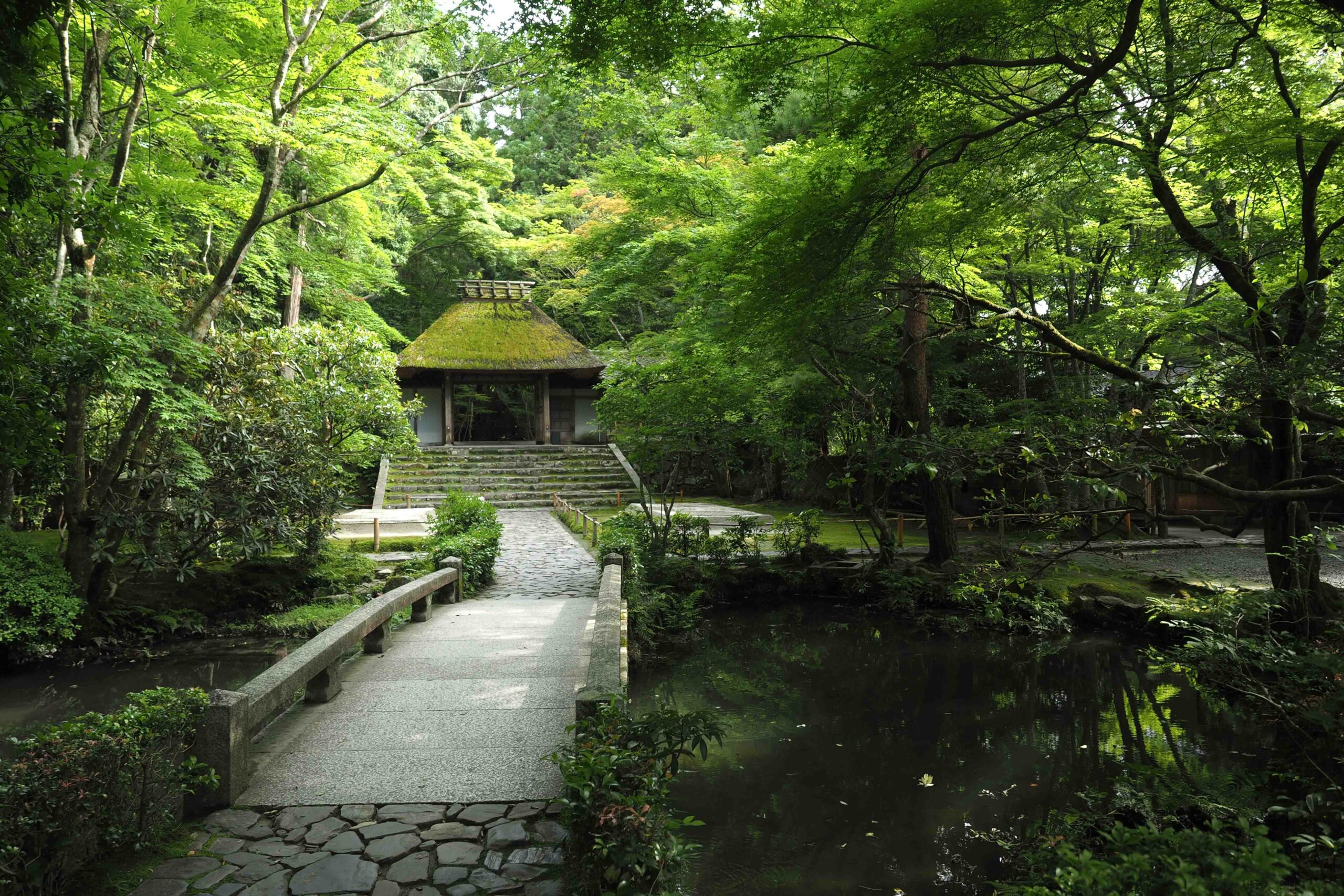
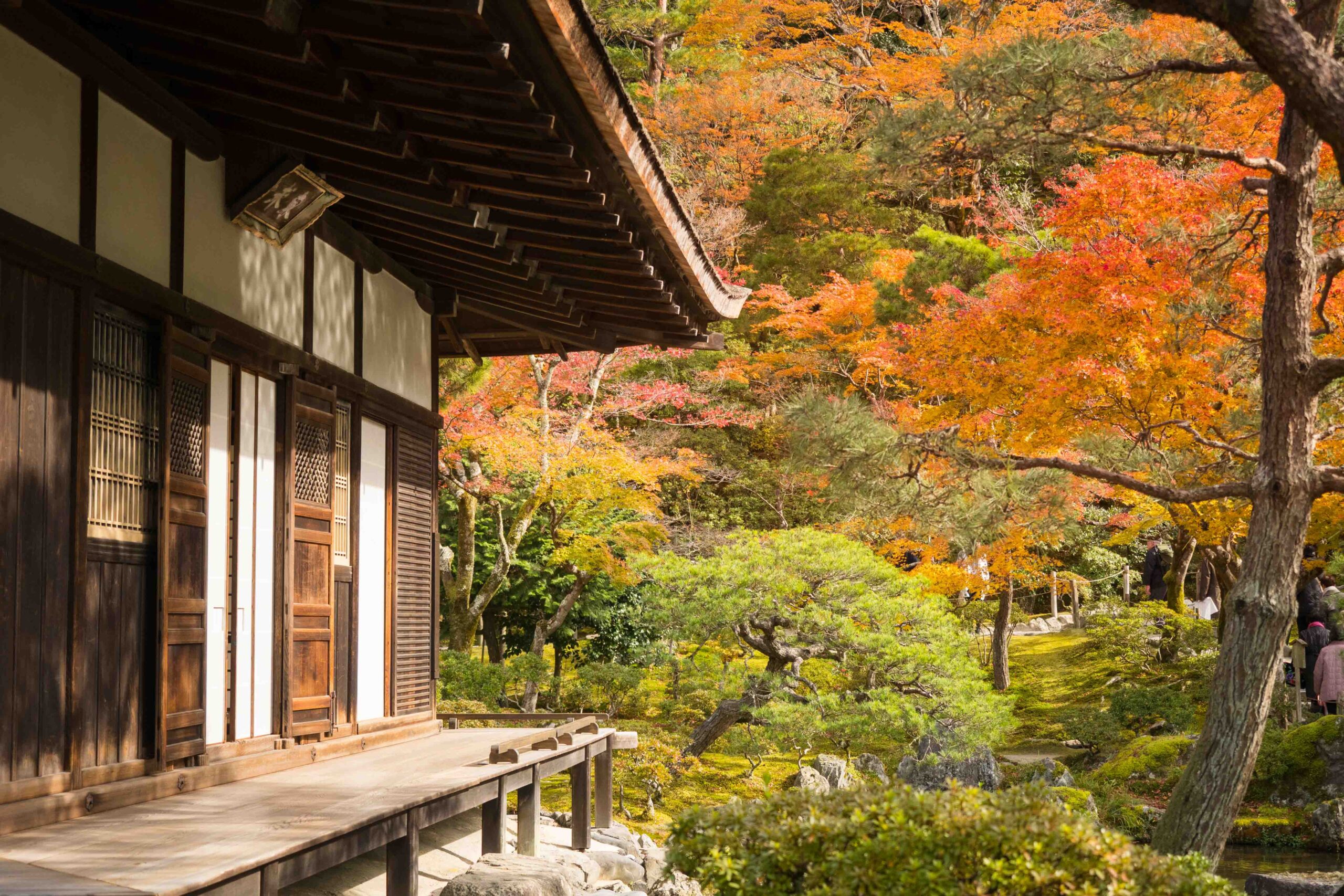
Heading north from Gion, Kyoto gradually shifts towards quieter neighbourhoods, cultural precincts, temple complexes and gardens. Around Okazaki, you’ll find the National Museum of Modern Art, Kyoto (MoMAK) and Kyoto City KYOCERA Museum of Art, alongside Heian Shrine and the Okazaki Canal, with a number of hotels like The Hotel Higashiyama Kyoto Tokyu and it’s also a great opportunity to stay in a Machiya or private rental like Enso Machiya to experience a more traditional style of accomodation in the surrounding streets.
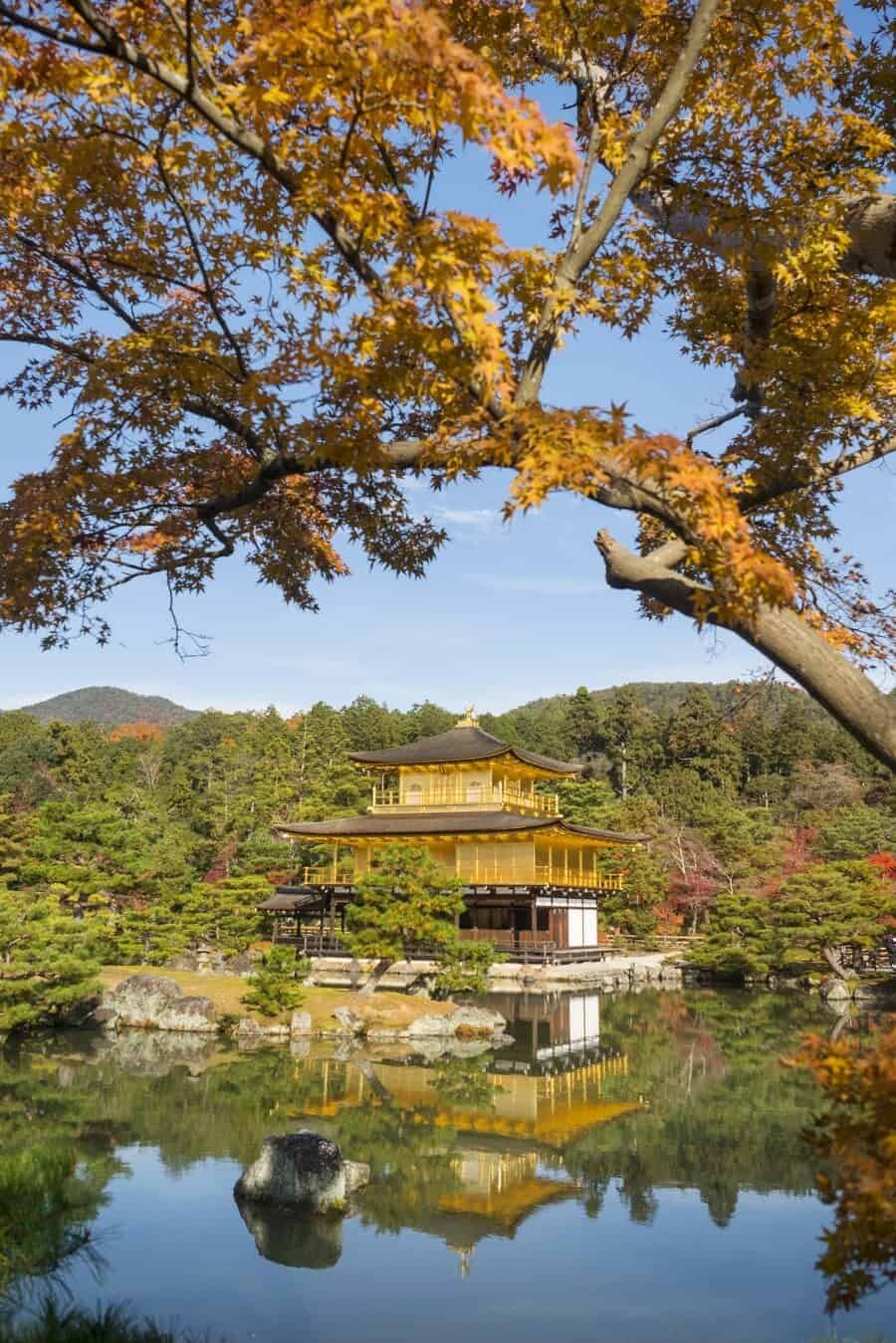
Further north, Kinkaku-ji is the best-known attraction, while Daitoku-ji, Shisen-do, Enko-ji and the temples towards the foothills offer beautiful gardens, architecture and seasonal landscapes to photograph.
For most visitors, I’d still explore these areas from Gion, Higashiyama or the city centre, particularly if your itinerary covers Kyoto more broadly. However, staying around Okazaki or further north can suit a longer or return visit focused on art, gardens and the quieter parts of the city.
Consider northern Kyoto if: museums, temples and gardens feature heavily in your plans, or you’d prefer quieter surroundings over being based in the centre.
Arashiyama: Stay Overnight or Visit from Central Kyoto?
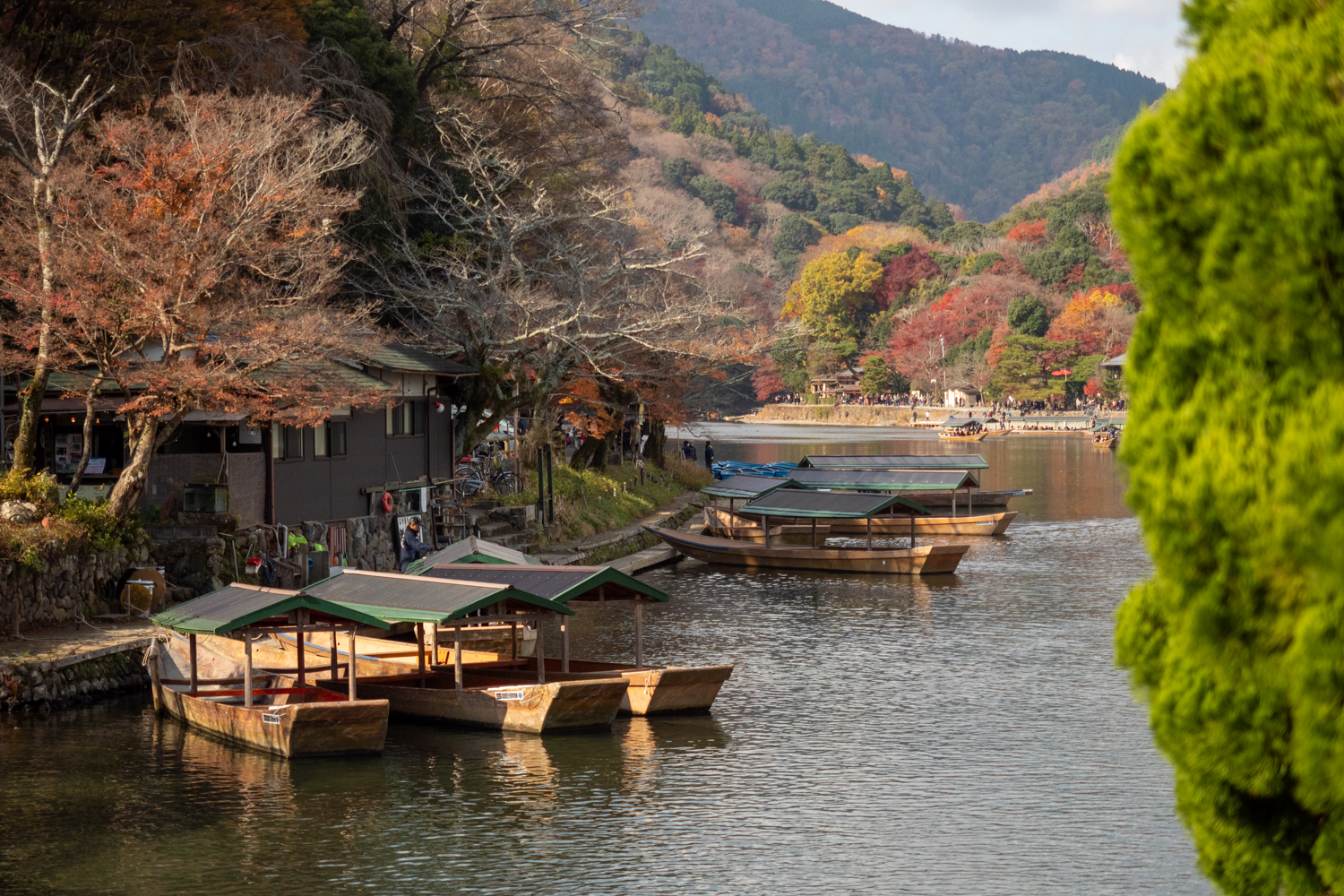
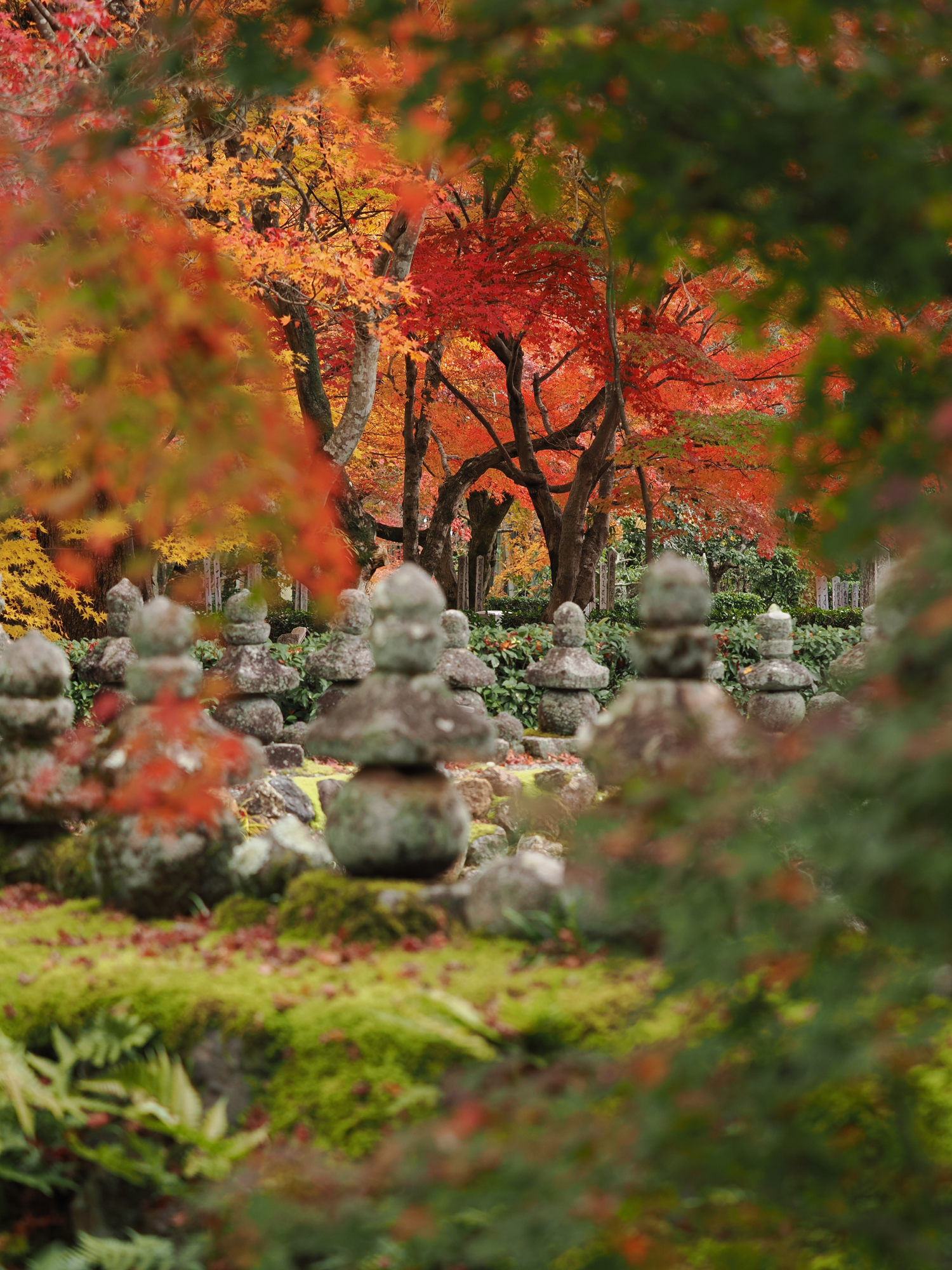
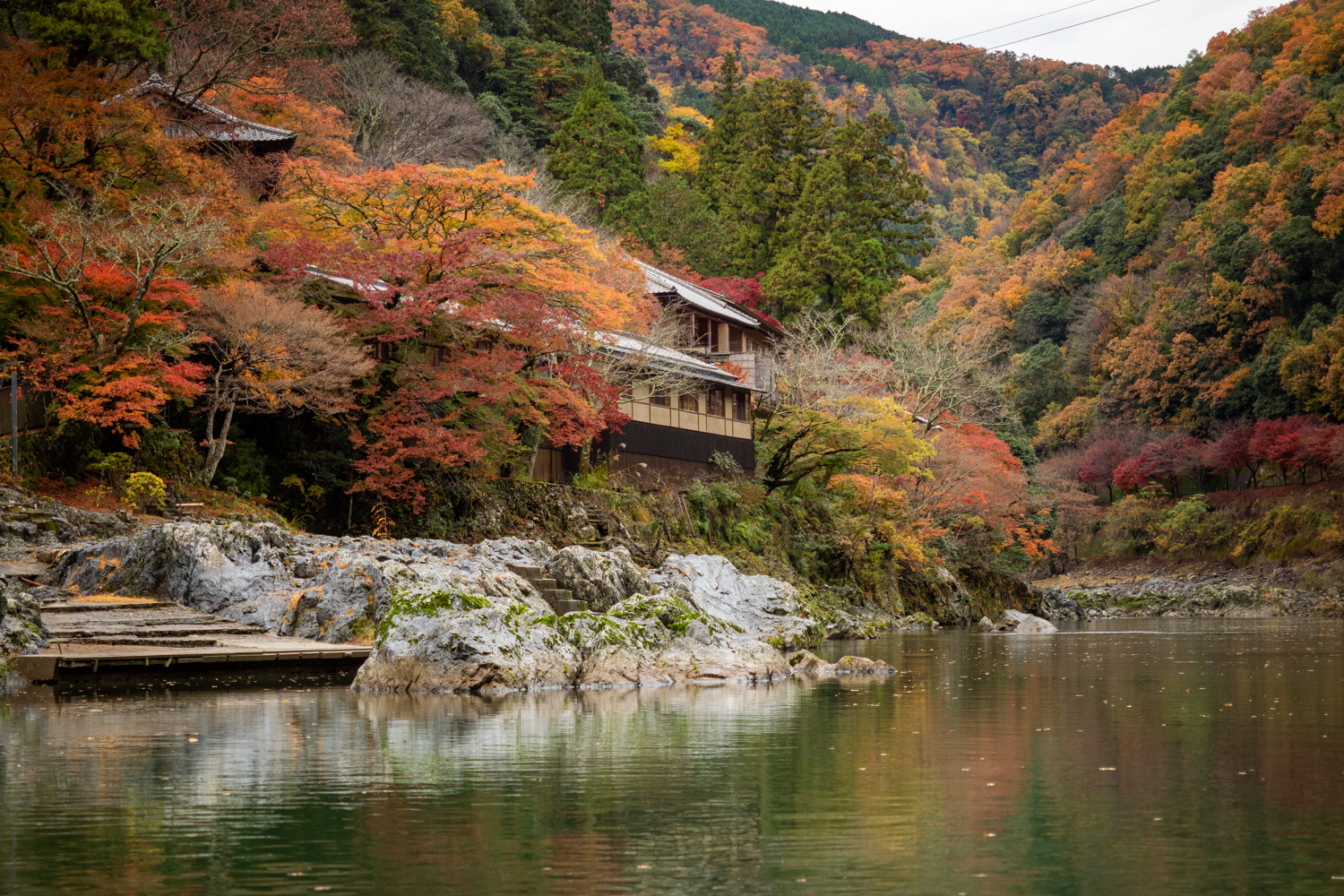
Arashiyama sits on Kyoto’s western edge and is almost a destination within the destination. The landscape changes as you arrive, with forested hills rising behind the Katsura River, traditional boats on the water and temple gardens tucked into the surrounding greenery.
The famous bamboo grove attracts much of the attention, but reducing Arashiyama to one photography location misses what makes the area worth exploring. The river, gardens, wooded pathways and numerous surrounding temples can easily fill much of a day, or an entire week, particularly if you’re happy to walk beyond the most visited streets.
Staying overnight has one very obvious benefit: time. I’ve stayed in Arashiyama several times because the calming ambience after dark and the early morning hours before crowds arrive present such a special experience for photographers. Hotels like Ranzan are tucked within the scenery, Hotel Binario Saga Arashiyama has meals included and is right beside the JR station making luggage easy, and then there are plenty of newer options like Muni Kyoto at the higher, more luxurious end of the market.
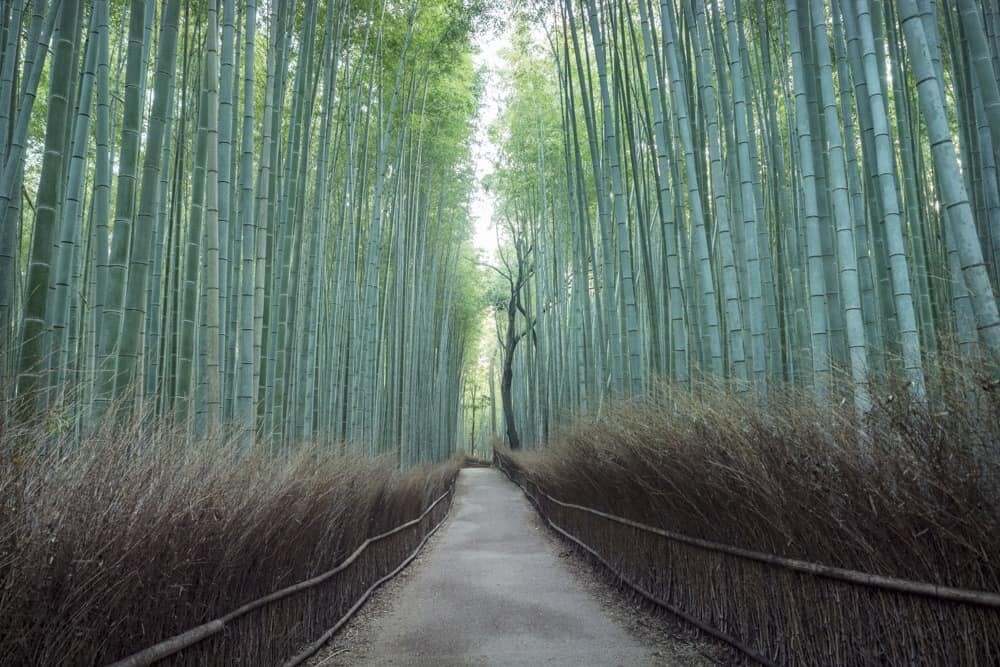
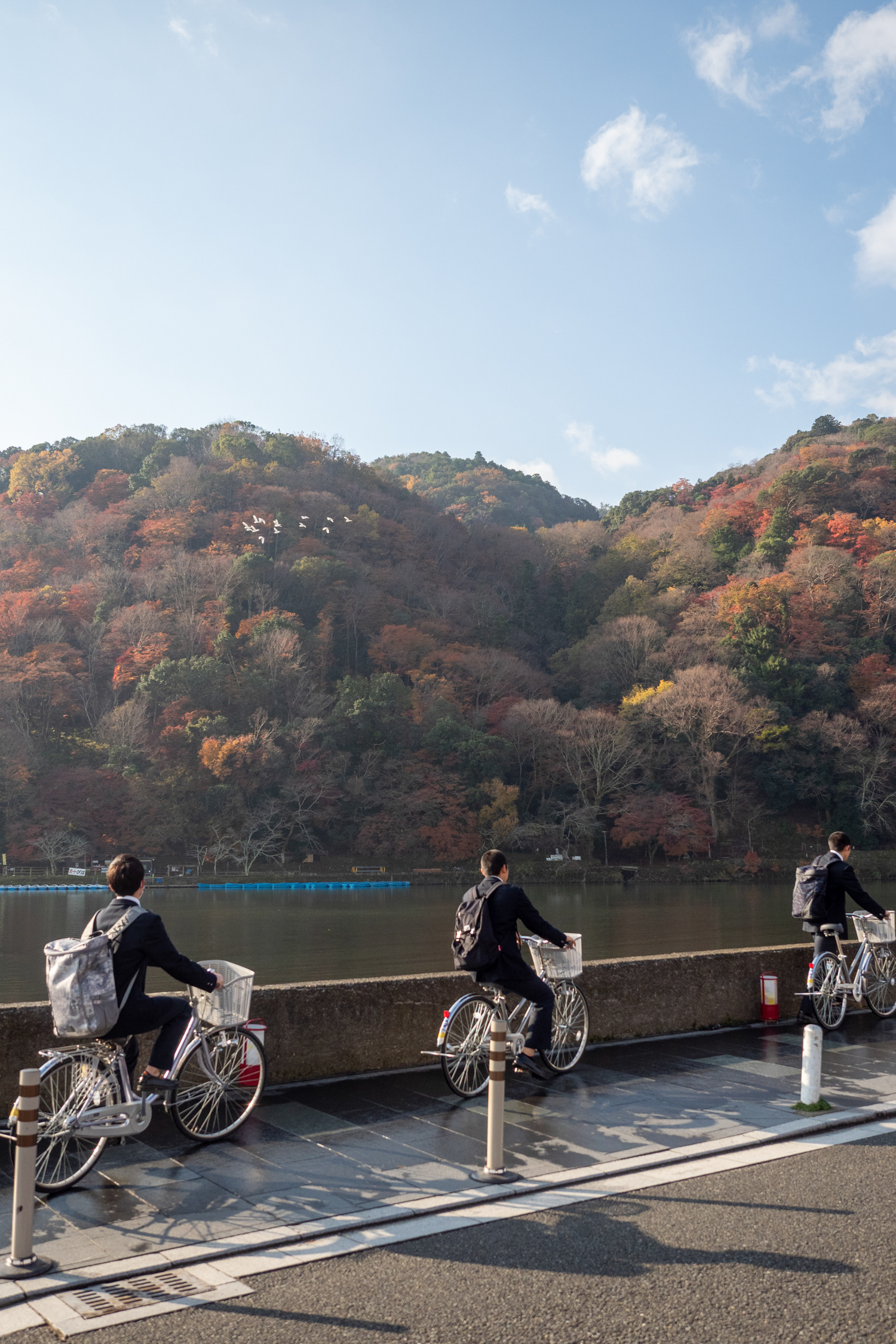
Once day visitors begin to leave, Arashiyama becomes noticeably quieter, actually, it’s almost a ghost town in comparison to the hordes of visitors in the day. You’ll also be in position to explore early the following morning before trains begin delivering visitors from central Kyoto. For photographers, those edges of the day can make an overnight stay particularly appealing.
But for a first visit to Kyoto, I wouldn’t automatically recommend basing your entire trip here. Arashiyama is quite a journey from Gion, Higashiyama, Fushimi and northern Kyoto, so choosing it as your main base can add unnecessary travel to the rest of your itinerary.
Instead, it works beautifully as either a day trip from central Kyoto or, for a longer visit, somewhere to spend one or two nights before moving elsewhere. That allows you to experience Arashiyama at a quieter pace without sacrificing convenient access to the rest of the city.
Consider staying in Arashiyama if: you have a longer Kyoto itinerary, want to experience the area before and after the day-trip crowds, or prefer rivers, forests and gardens to the energy of central Kyoto. For a shorter first visit, I’d generally stay more centrally and travel here for the day, and leave very early in the morning to make the most of a day trip to Arashiyama.
Southern Kyoto: Fushimi Inari + Beyond
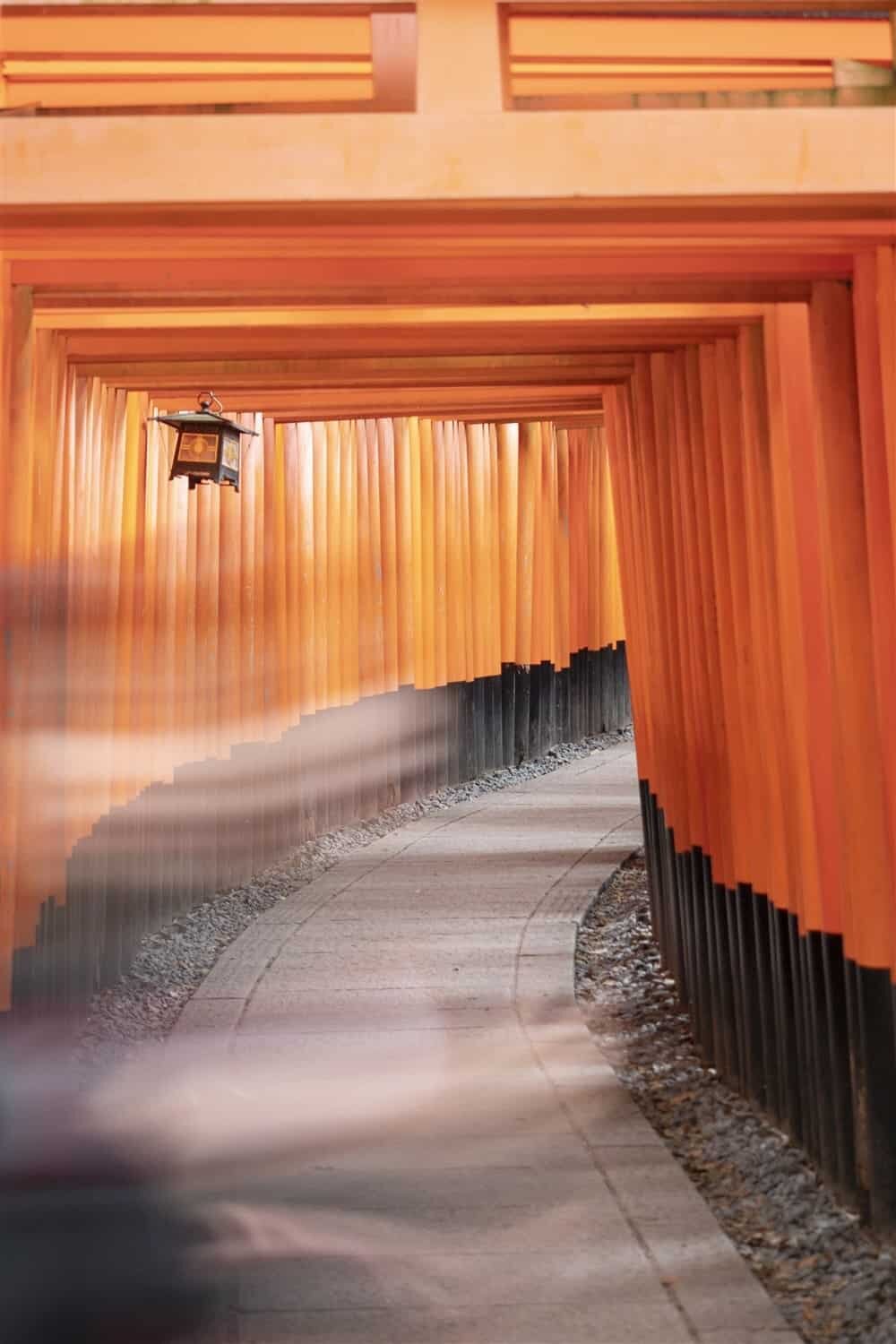
For many photographers, southern Kyoto means one place: Fushimi Inari Taisha. Its tunnels of vermilion torii gates are among Kyoto’s most photographed scenes, and an early start offers the best chance to explore before the lower pathways become busy.
You don’t need to stay nearby to arrive early. JR Inari Station, on the JR Nara Line, sits directly opposite the shrine entrance and is convenient from Kyoto Station. Alternatively, Fushimi-Inari Station on the Keihan Main Line is a short walk away, with direct services from Gion-Shijo. If you do want to stay within walking distance, SO Kyoto Fushimi Inari is one nearby option.
Beyond the shrine, the Fushimi sake district offers canals, traditional breweries and historic streets to explore, but for most visitors I’d still recommend staying around Gion, Higashiyama or the city centre and visiting southern Kyoto from there.
Travel tip: Combine sunrise at Fushimi Inari with a day trip to Nara. From Gion-Shijo, take the Keihan Line to Fushimi-Inari, photograph the shrine, then continue to Nara via the JR Nara Line. It’s one of my favourite ways to spend a day in Kyoto: torii gates in the morning, deer in Nara for the afternoon.
Consider staying in southern Kyoto if: you’re particularly focused on this part of the city or exploring further south. Otherwise, it’s easily visited from a more central base.
So, let’s summarize: Where Should You Stay in Kyoto?
After looking at Kyoto geographically, the choice becomes much simpler.
If historic streets, temples and early morning photography are central to your plans, Gion or Higashiyama offer the most atmospheric base. You’ll have some of Kyoto’s most recognisable scenes within walking distance while remaining close enough to the city centre for dining and transport.
If you want the greatest flexibility, particularly for a first visit involving locations across Kyoto, the city centre around Kawaramachi, Shijo and Karasuma is difficult to beat. You’re close to the historic east without committing yourself to one side of the city, and transport connections make it easier to reach Arashiyama, northern Kyoto and Fushimi.
If you’re planning a slower or longer stay, that’s when I’d start considering alternatives, perhaps splitting your time between Gion or the downtown areas, and adding in an overnight stay in Arashiyama, which can provide a completely different experience once the crowds leave.
And if rail travel beyond Kyoto forms a significant part of your itinerary, Kyoto Station becomes much more practical, even if it wouldn’t be my first choice for experiencing Kyoto itself.
Where to Stay in Kyoto for a First Visit
For a first visit, I’d narrow the choice to Gion/Higashiyama or Kyoto City Centre.
They’re close enough that you won’t feel isolated from either side of the city, but each creates a different rhythm. Choose Gion or Higashiyama if waking early to photograph historic Kyoto sounds like part of the experience you’re travelling for. Choose the city centre if you want restaurants, transport and flexibility on your doorstep while keeping the historic district within easy reach.
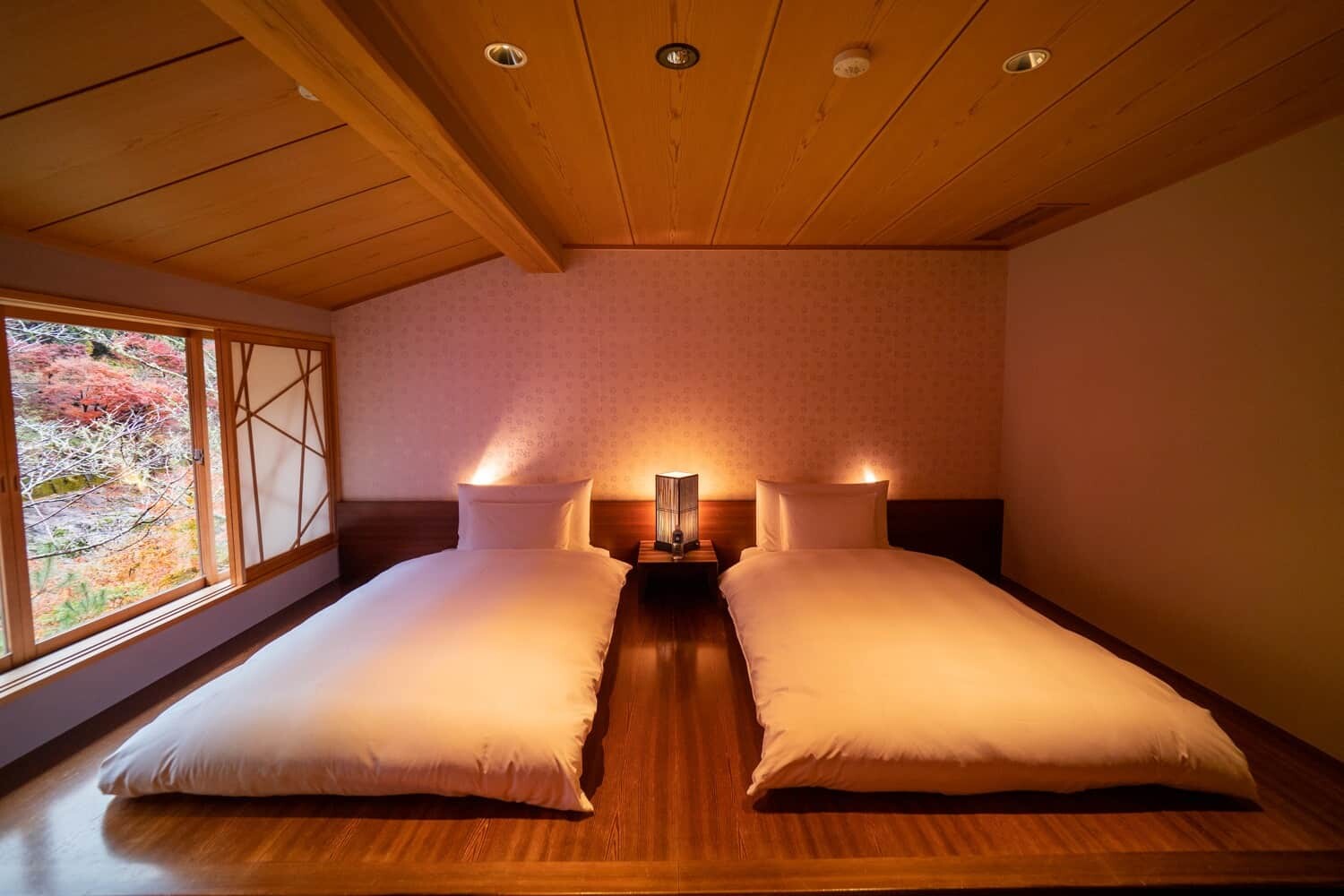
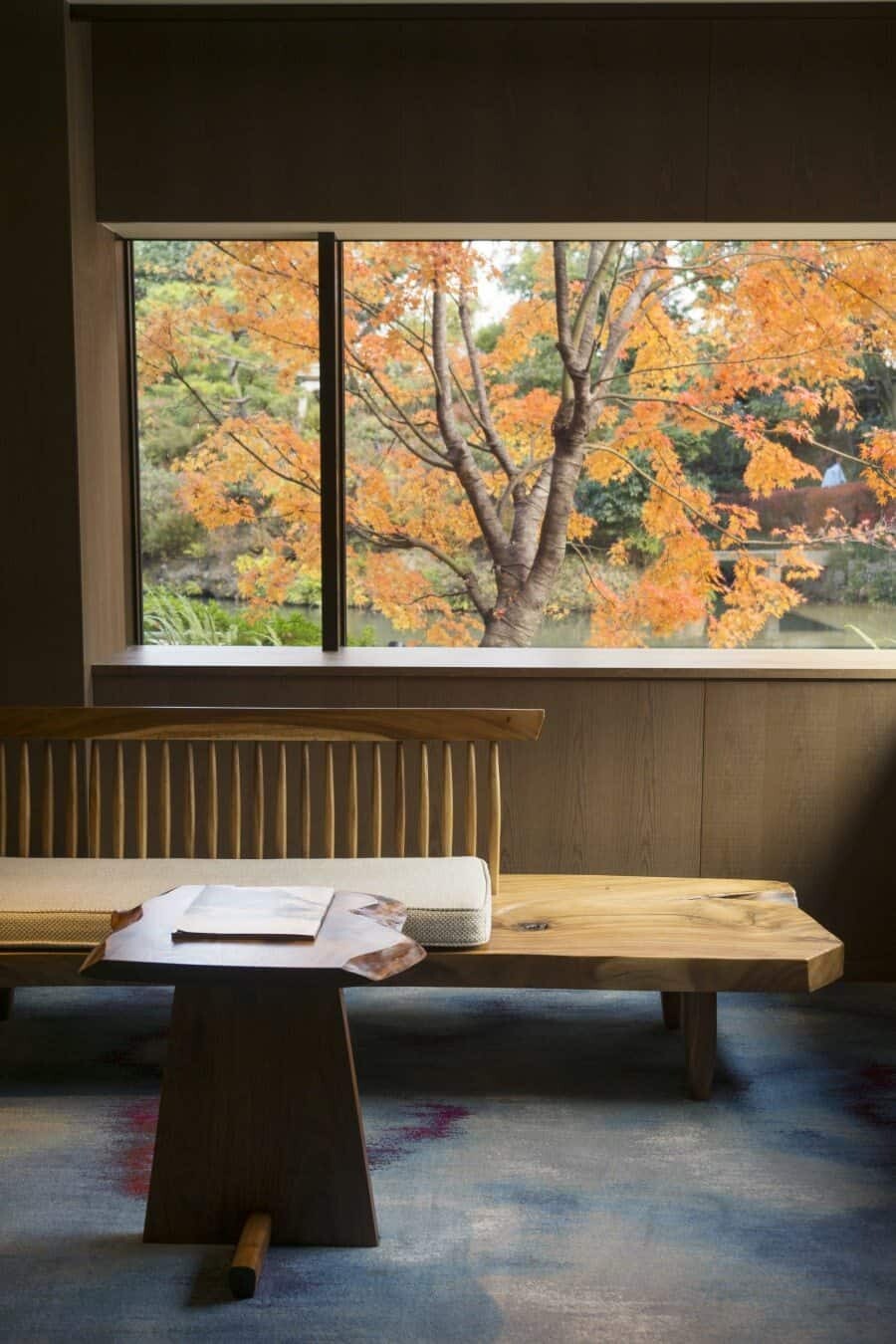
Some hotels I’d recommend in these areas based on personal experience:
Banyan Tree Higashiyama Kyoto (luxe)
OMO5 Kyoto Gion by Hoshino Resorts (great for families!)
A Note for Photographers Planning Early Starts
Kyoto is one of those cities where changing your schedule can completely change your photographs. Locations that feel overwhelmingly busy at midday can be almost unrecognisable early in the morning. If photographing the historic streets is important to you, I’d factor those early starts into your accommodation choice rather than simply looking at distances on a map.
This doesn’t mean you need to sleep beside every location you want to photograph, but that’s why Gion, Higashiyama and the city centre work so well. They allow you to reach the eastern historic district early while keeping the rest of Kyoto open for exploration later in the day.
For more ideas on planning those early hours, continue with Morning Light: Sunrise Photography Experiences in Kyoto.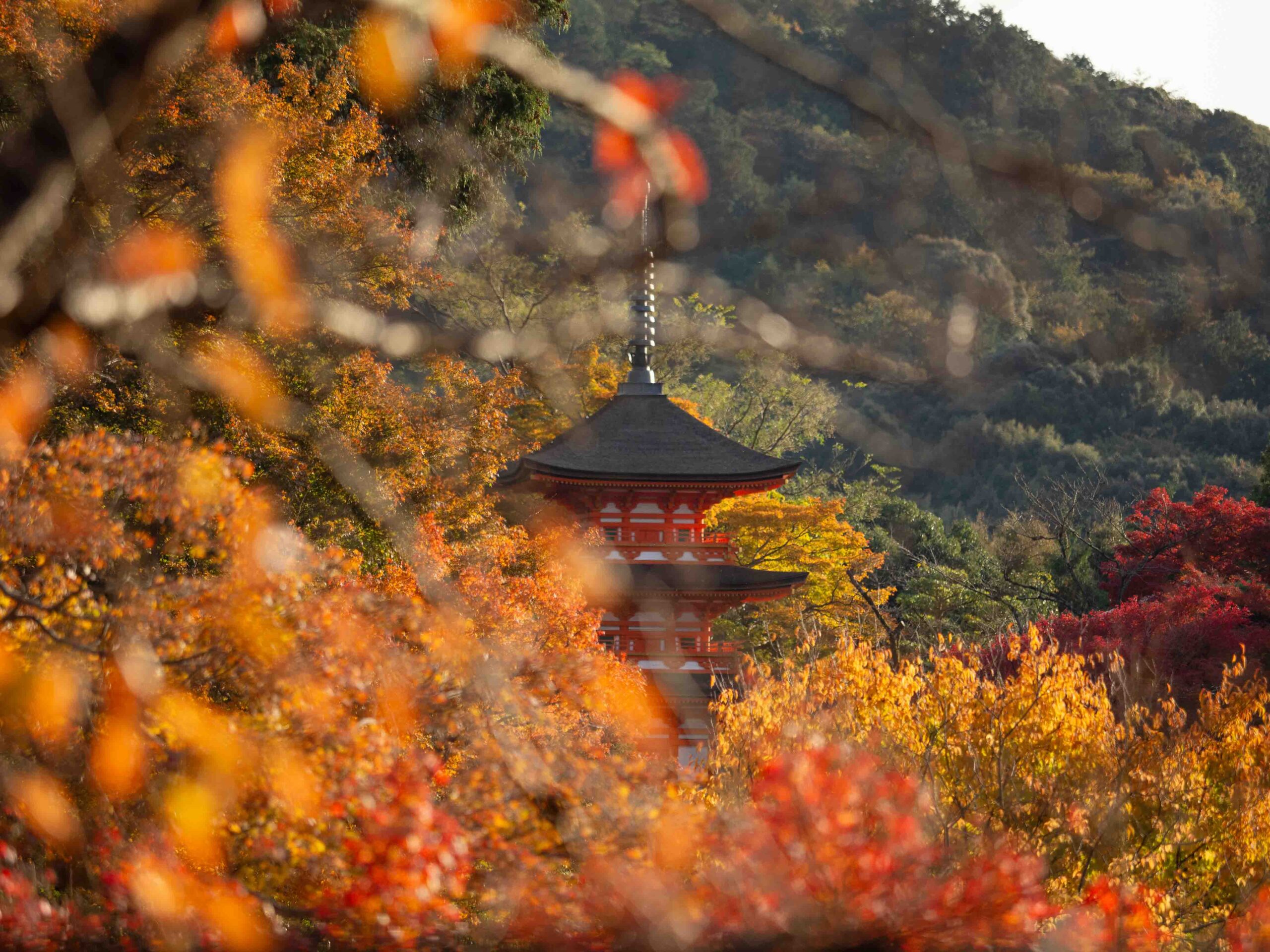
Continue Planning Your Kyoto Trip
If you’re building your Kyoto itinerary, these guides will help you explore further:
Kyoto Photography Locations
A comprehensive guide to photographing the city, from iconic historic scenes to quieter gardens and neighbourhoods.
Field Notes: Photographing Fushimi-Inari at Sunrise
Field Notes: Photographing Arashiyama’s Bamboo Grove
Arashiyama – Beyond the Bamboo Grove

Hello! I’m the founder and photographer behind The Wandering Lens.
With 19+yrs experience as a professional travel and landscape photographer, all advice found on this site is from my personal experience, or that of contributors, on the road. I hope it’s useful for your own travels and would love to hear in the comments about your trips and experiences around the world.

Leave a Comment