
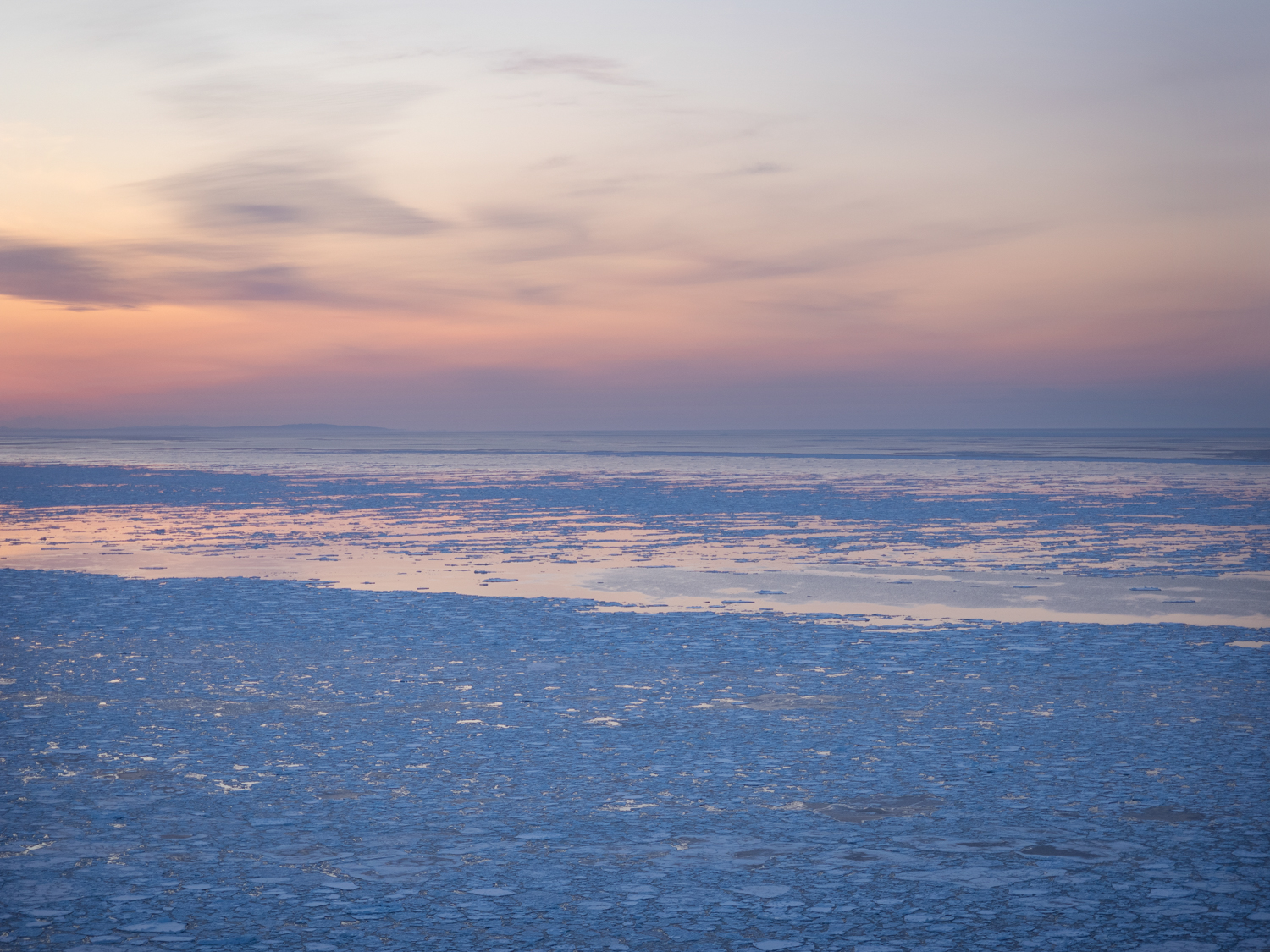
Some people say their happy place is lying by a resort pool with a cocktail, mine is floating amongst icebergs like a puffer fish.
The location doesn’t bother me too much; I’d be just as happy among the 50ft icebergs off the coast of Greenland, as I would be doing a cold plunge in Antarctica; however, if you’ve been reading The Wandering Lens for a while, you’ll know one of my favourite countries is Japan.
And this February, I had the chance to combine my love for Japan, AND icebergs.
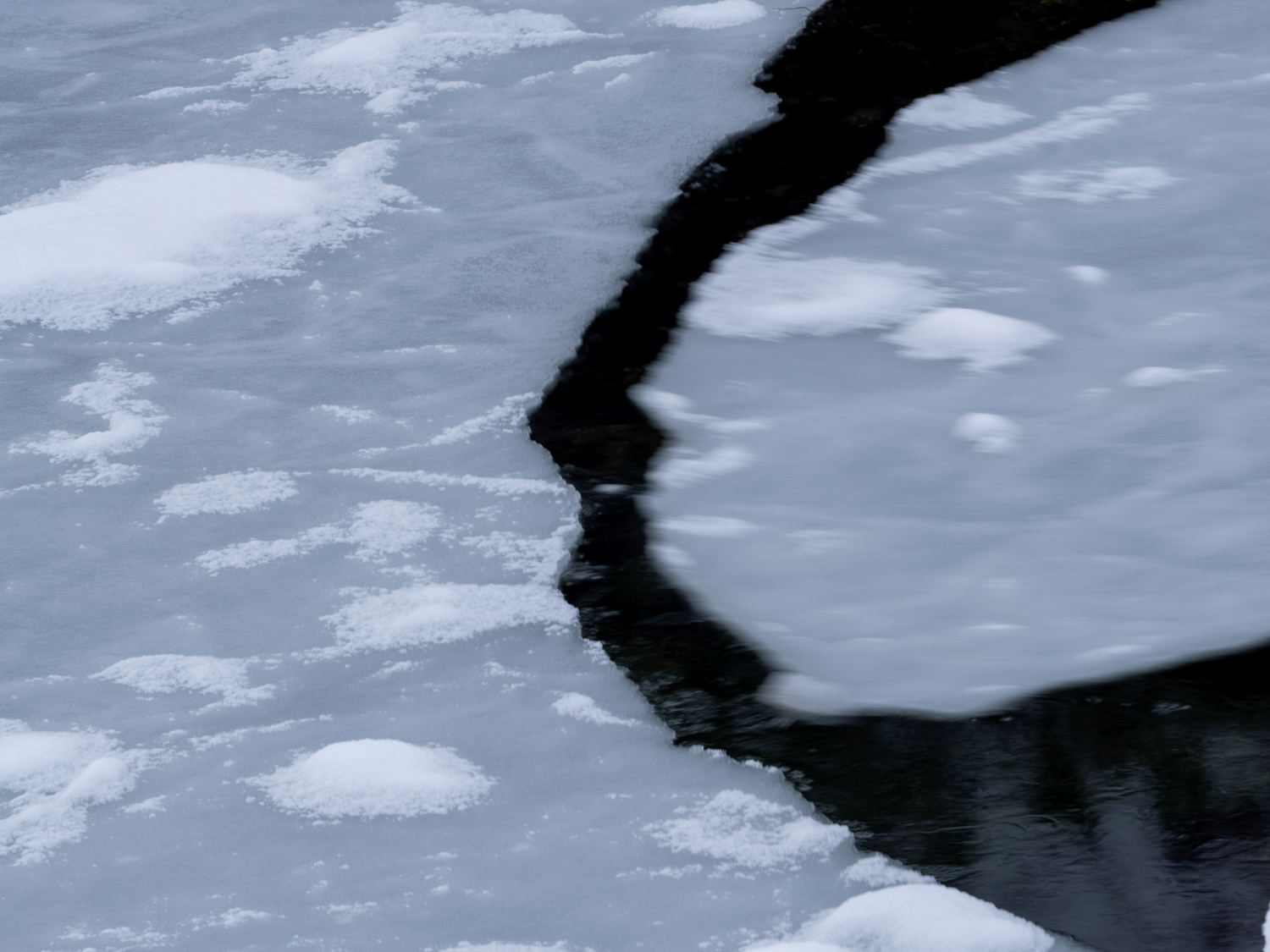
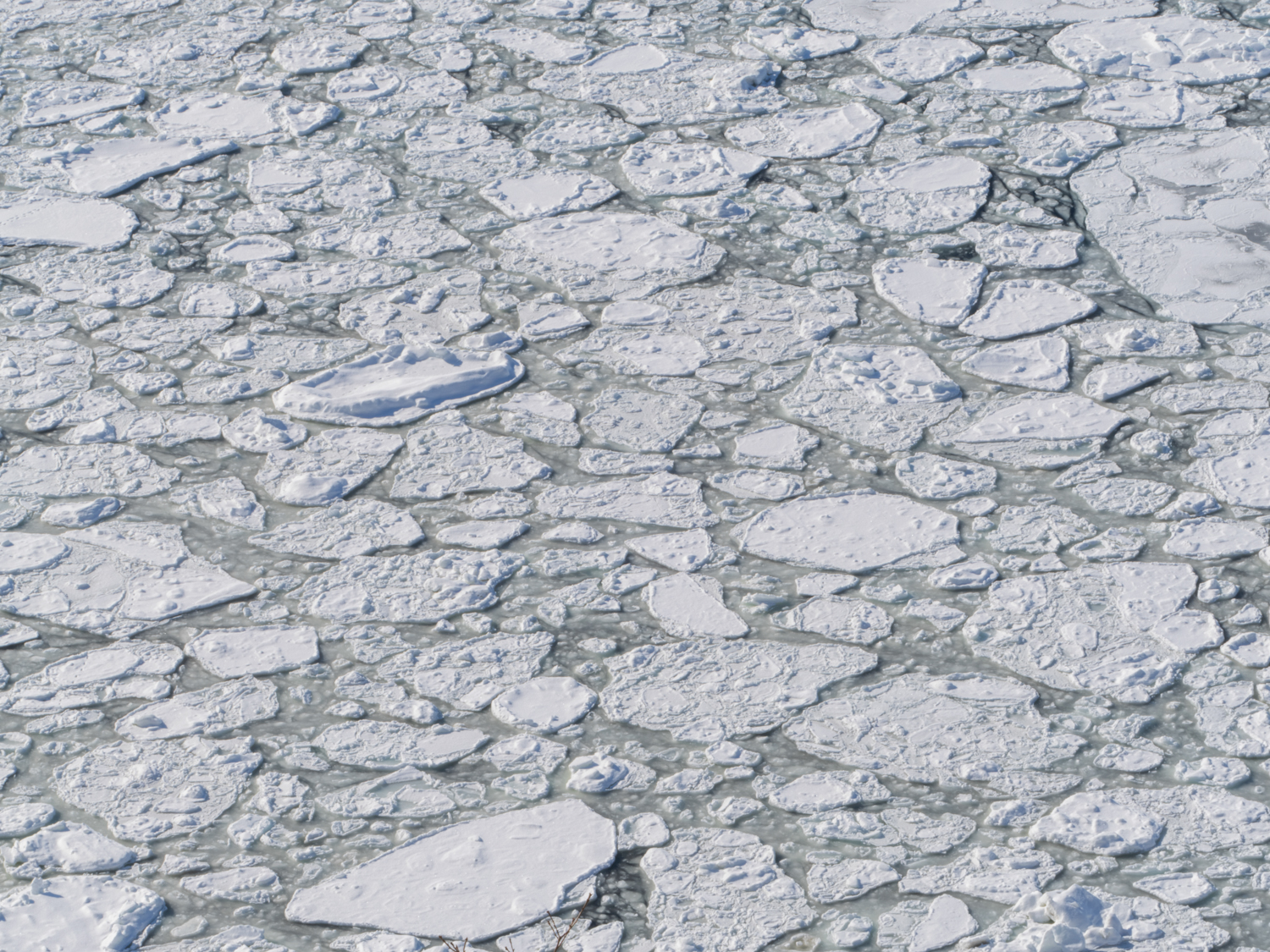
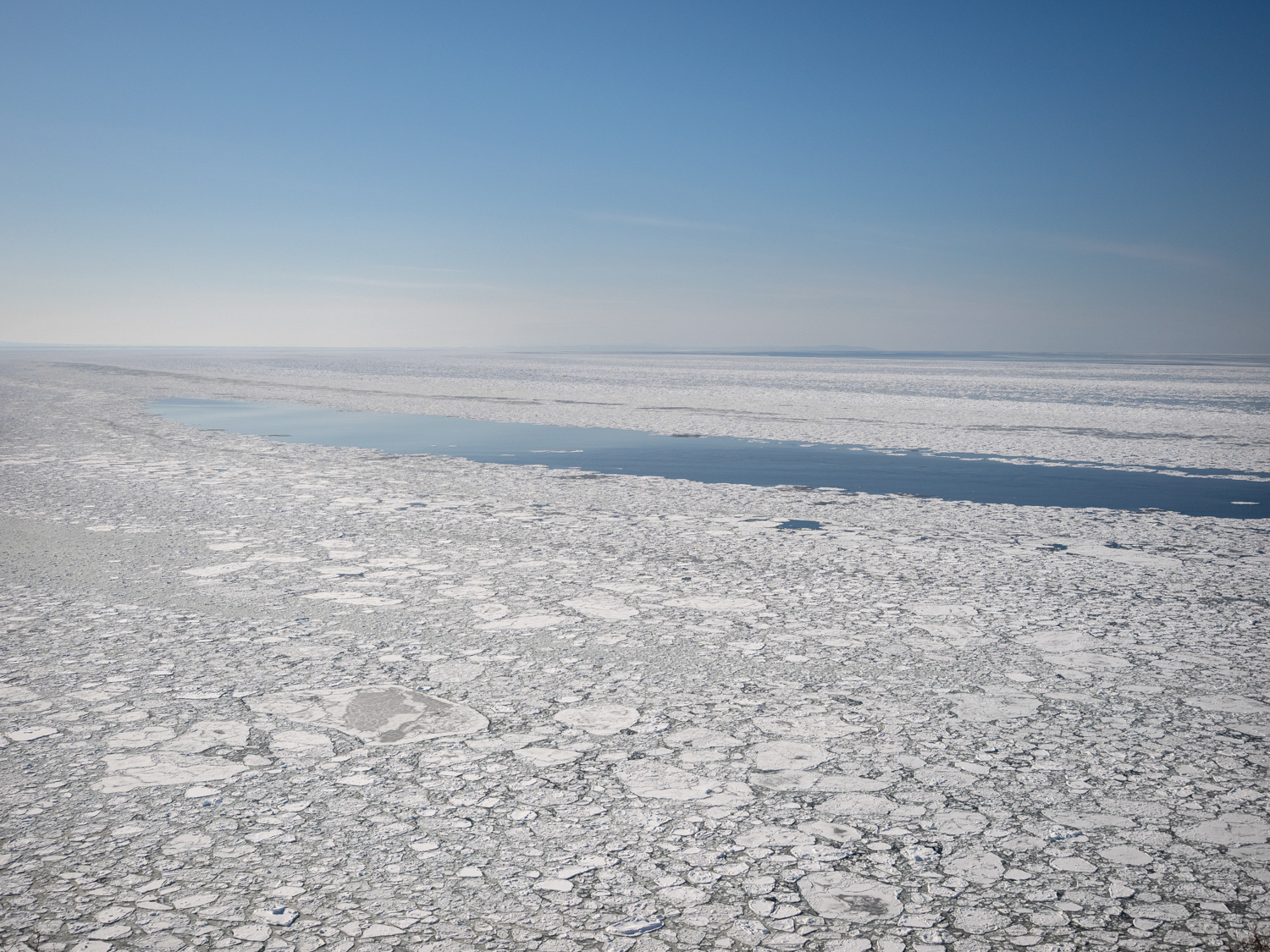
Every winter, drift ice travels from Siberia to the shores of Eastern Hokkaido across the Sea of Okhotsk. While its arrival is completely dependent on tides, wind, and temperature, you can usually assume that by mid-February, you can whip on a dry suit and get amongst it.
Now, before you squeeze a dry suit into your luggage and venture north, due to the strong currents and ever-shifting drift ice, it is recommended to only do this experience with trained guides. It’s all in the name actually, drift ice, known to swirl, drift, and travel quite large distances each day…and you don’t want to get stuck in below-freezing water for very long.
Anyway, safety message out of the way, this experience was one of the best things I’ve ever done.
Let’s rewind a little for context.
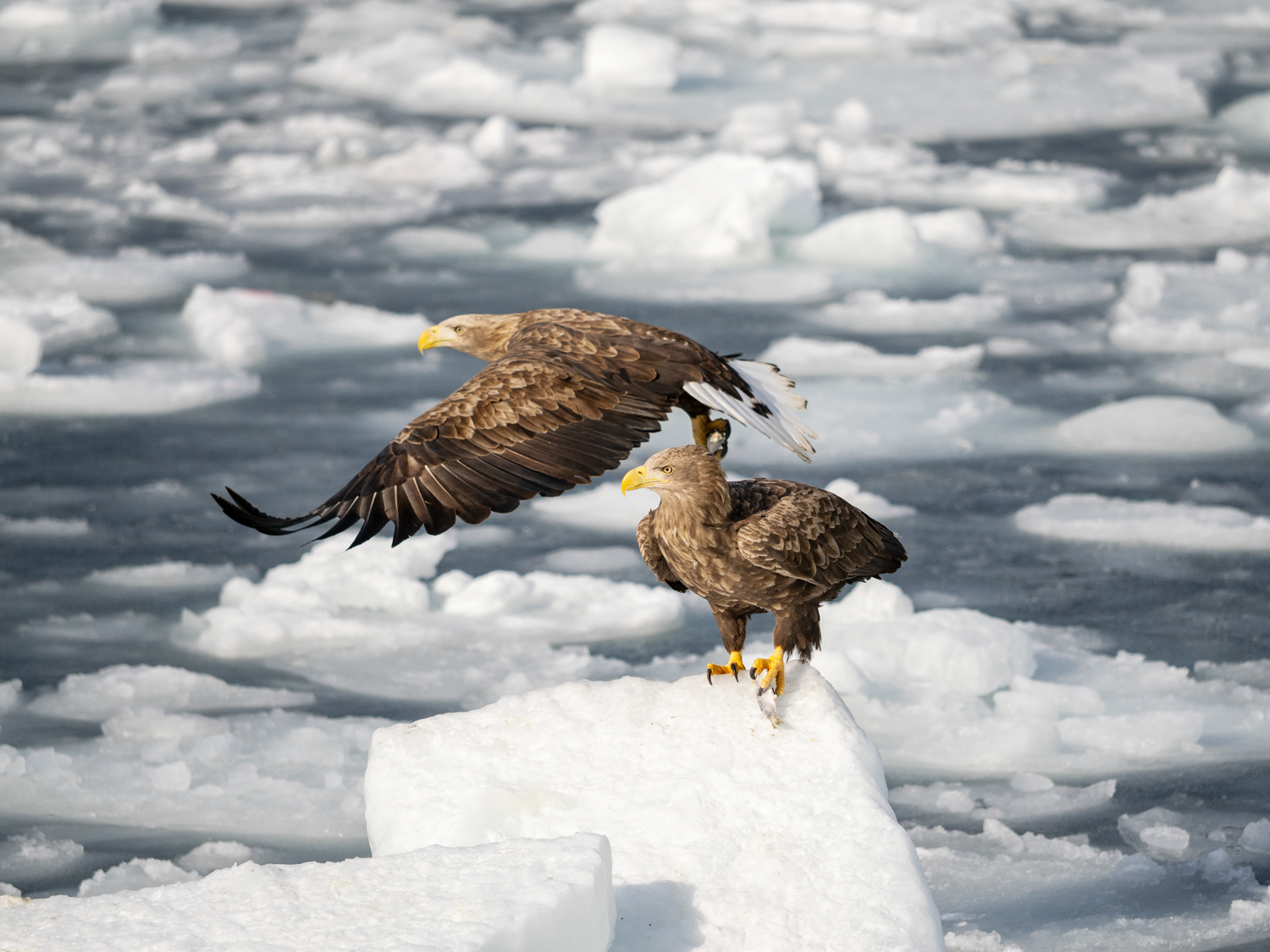
Eastern Hokkaido is a wildlife photographer’s dream, with bears, deer, shima-enaga (the snow fairy birds), swans, and also the mighty Steller’s sea eagles that arrive with the drift ice. I was in the region to compile a guide to photography locations, produce field recordings for a soundscape project, and document the region’s wildlife.
I spent most of the trip in the forests and along the shores of Lake Akan and Lake Kussharo photographing landscapes, geothermal environments and wildlife from sunrise to sunset. If you haven’t been and want to explore a quieter region of Hokkaido, I highly recommend Eastern Hokkaido.
While the photography opportunities were incredible every single day, swimming in the drift ice was the one experience I really wanted to do, no matter how cold it was. I’d been tracking the drift ice via the Ice Information Centre, watching as it came close to the shore in early February, then ventured back north, on the map, off the map…I was starting to worry it may be one of those years it arrives later in the season.
By the time I was in Lake Kussharo, my final stop before Utoro on the Shiretoko Peninsula, the map was filled with colour. A big, chunky, icy sea was floating this way, and I was over the moon to be seeing it, and swimming in it soon.
You can read my Guide to Eastern Hokkaido Photography Locations here.
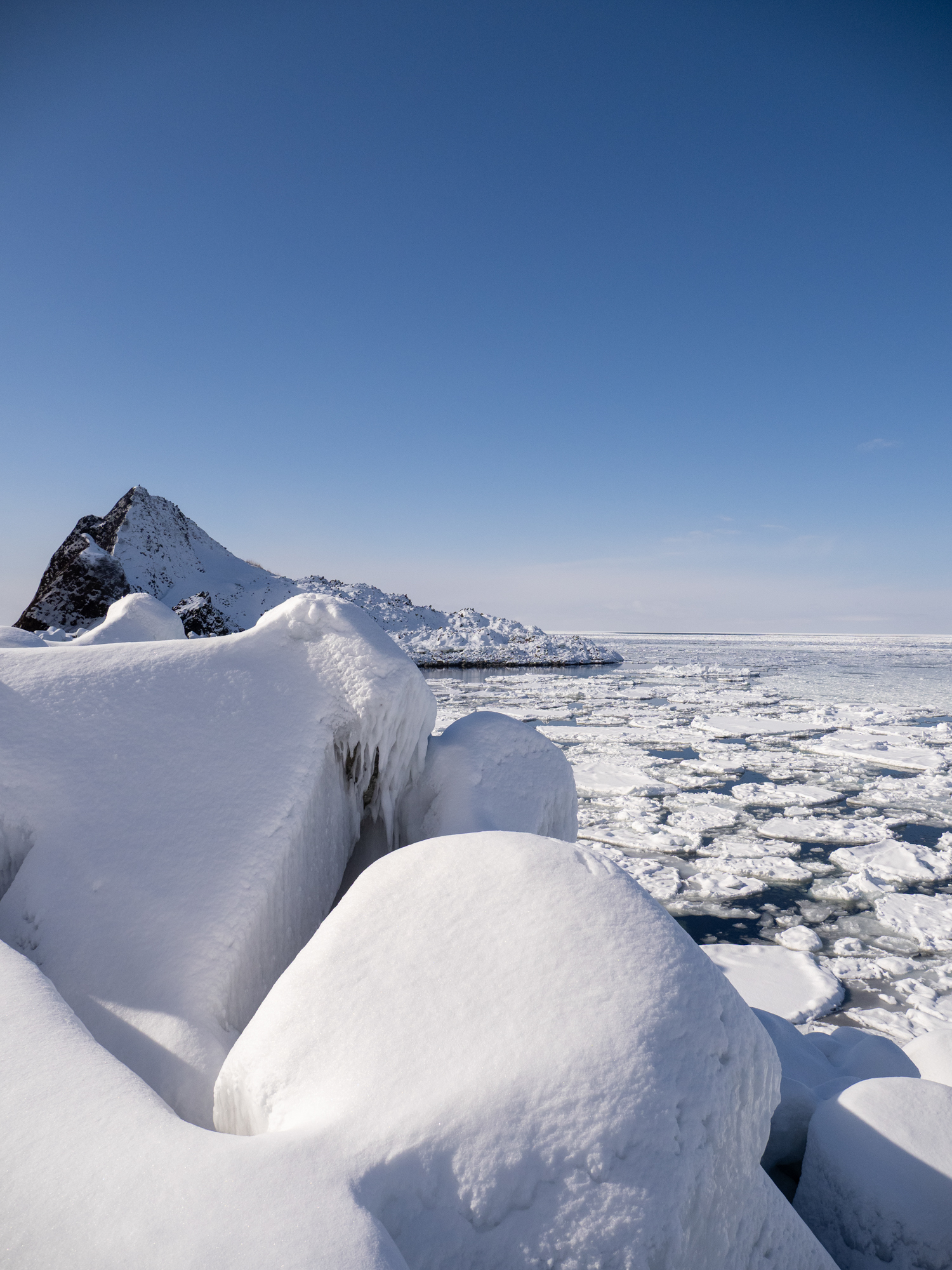
Icy wonders, glaciers, and icebergs are the one subject I’ll happily spend my lifetime photographing, and I’ll take any opportunity to get amongst them with my camera.
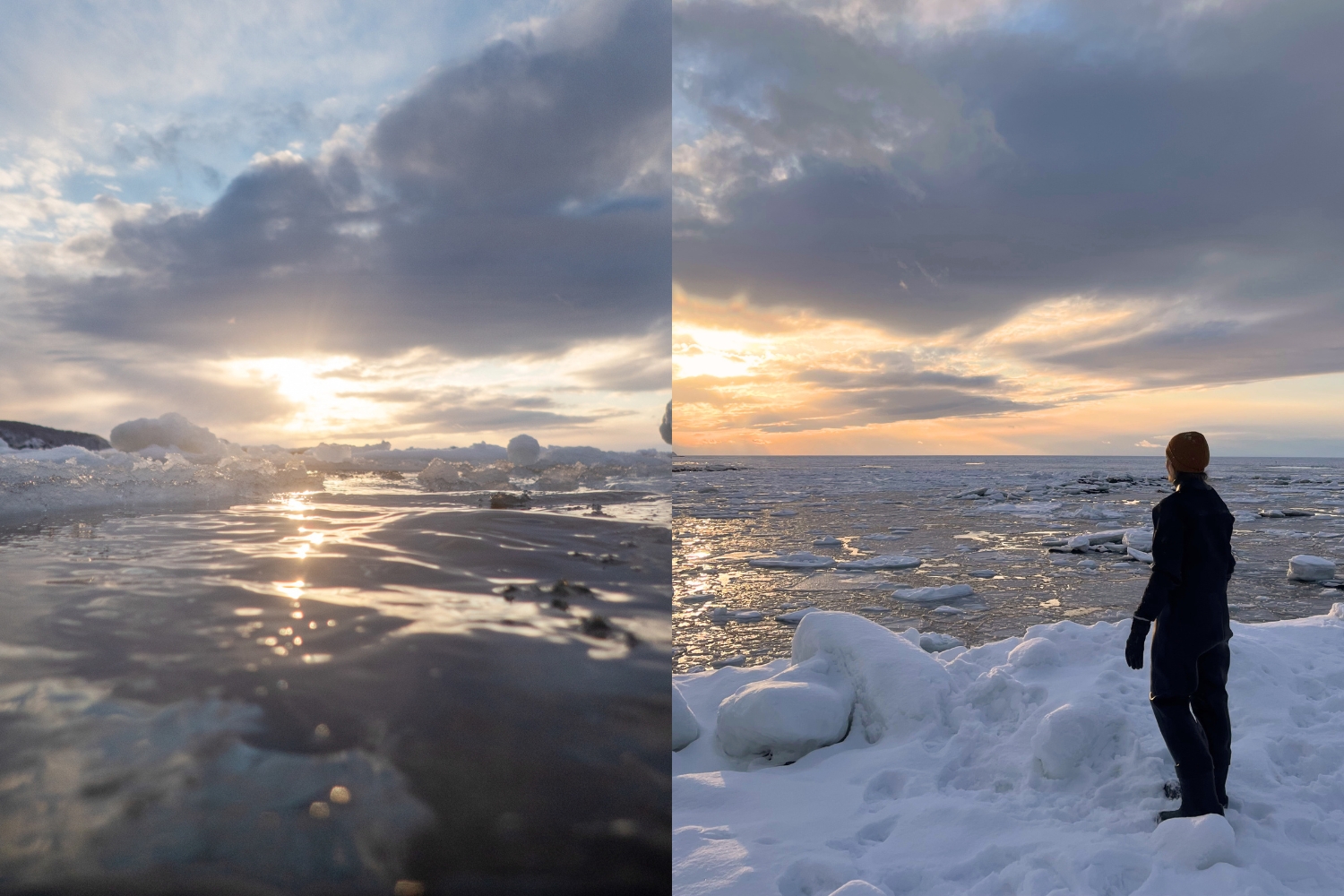
On the day of my swim, the conditions were ideal: a snowstorm in the morning, calm seas, but some ice had started drifting away from the shore, so there were two pockets to choose from that offered the chance to access it, and get on it.
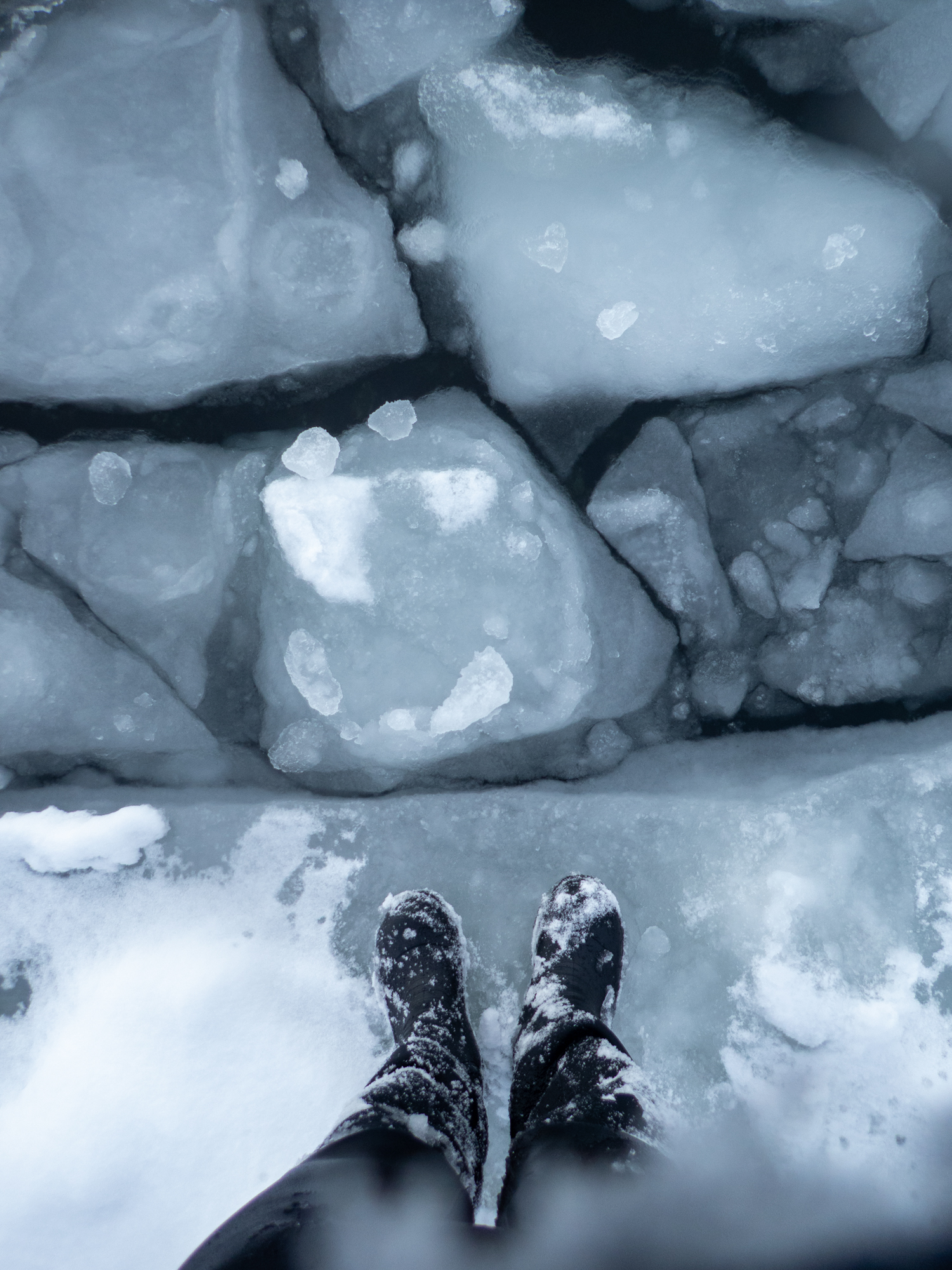
Squeezing into the dry suit (if you’ve done similar, you’ll understand the squeeze), we then had a brief walk over to the rocky beach where we were jumping in. Despite my love of snow and ice, walking on it has never been a skill of mine, I’m quite the clumsy giraffe, always taking it slow, too slow, and, usually feeling just moments away from slipping and falling. I felt like an astronaut with the big waterproof boots attached to the dry suit, but once the water got closer, I knew all I had to do was flop forward.
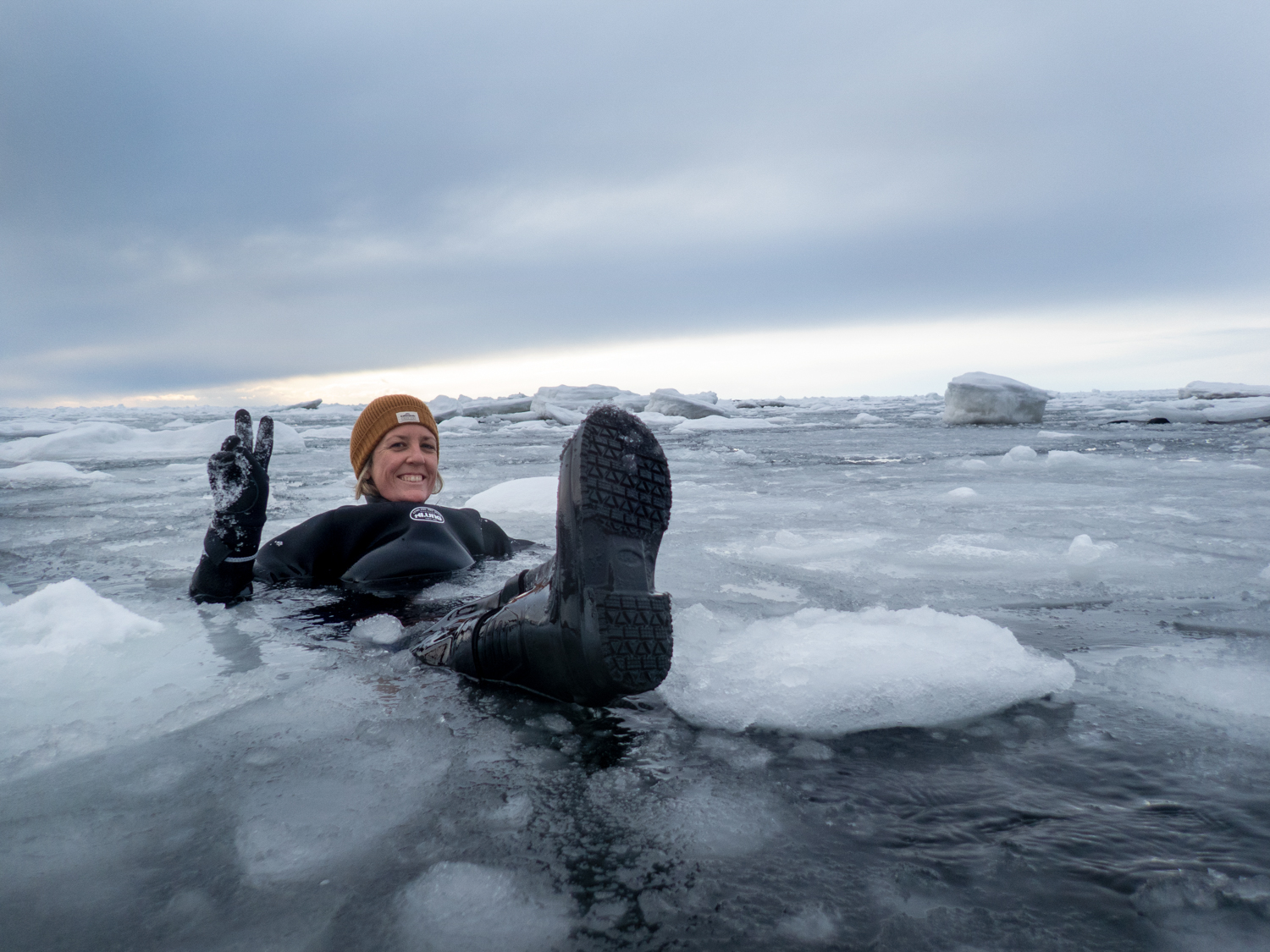
I couldn’t stop smiling.
With the buoyancy of the suit, mixed with the chilly temperature, sounds of crackling ice, and sheer thrill of being surrounded by these winter wonders, I was bobbing about in my happy place and utterly content.
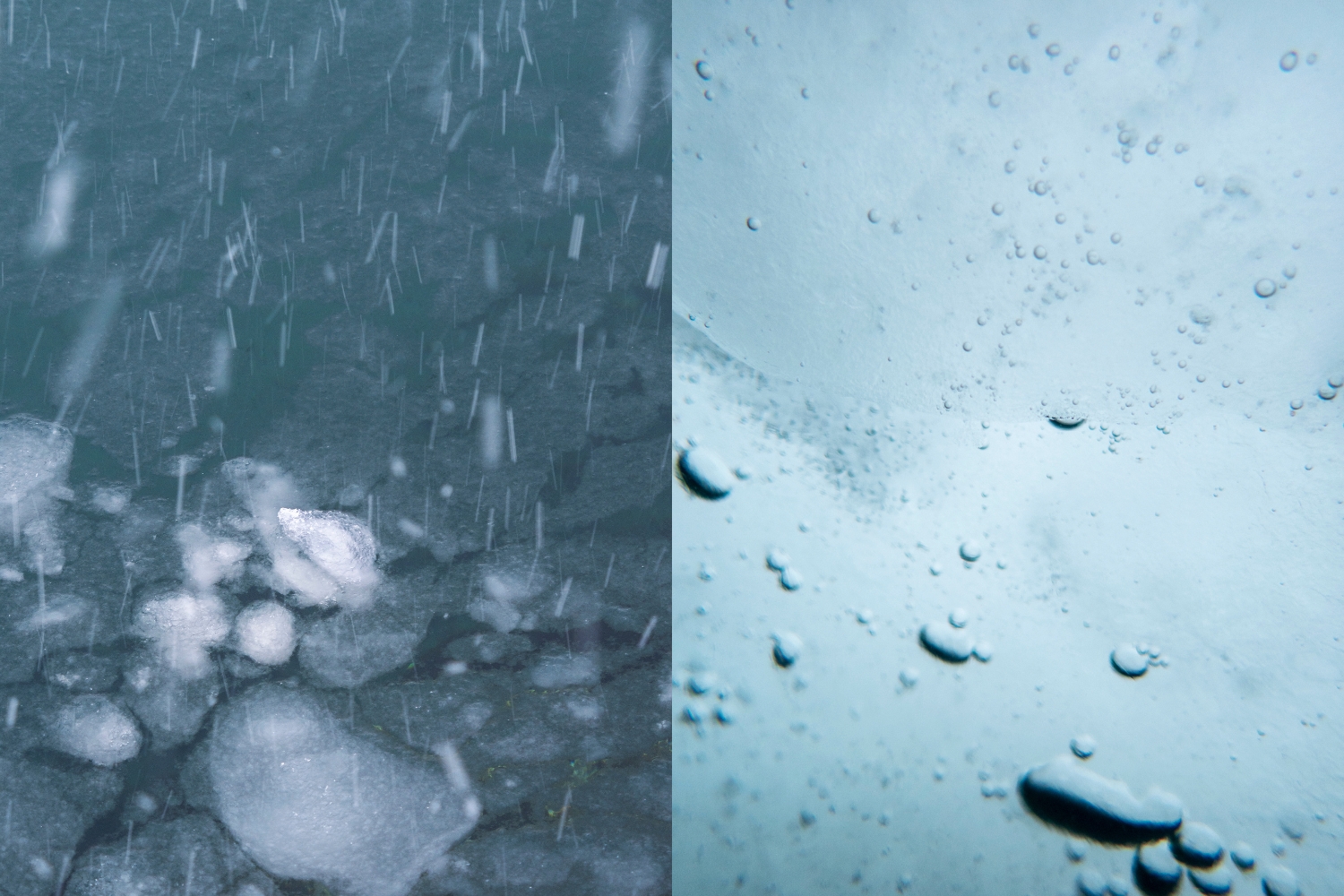
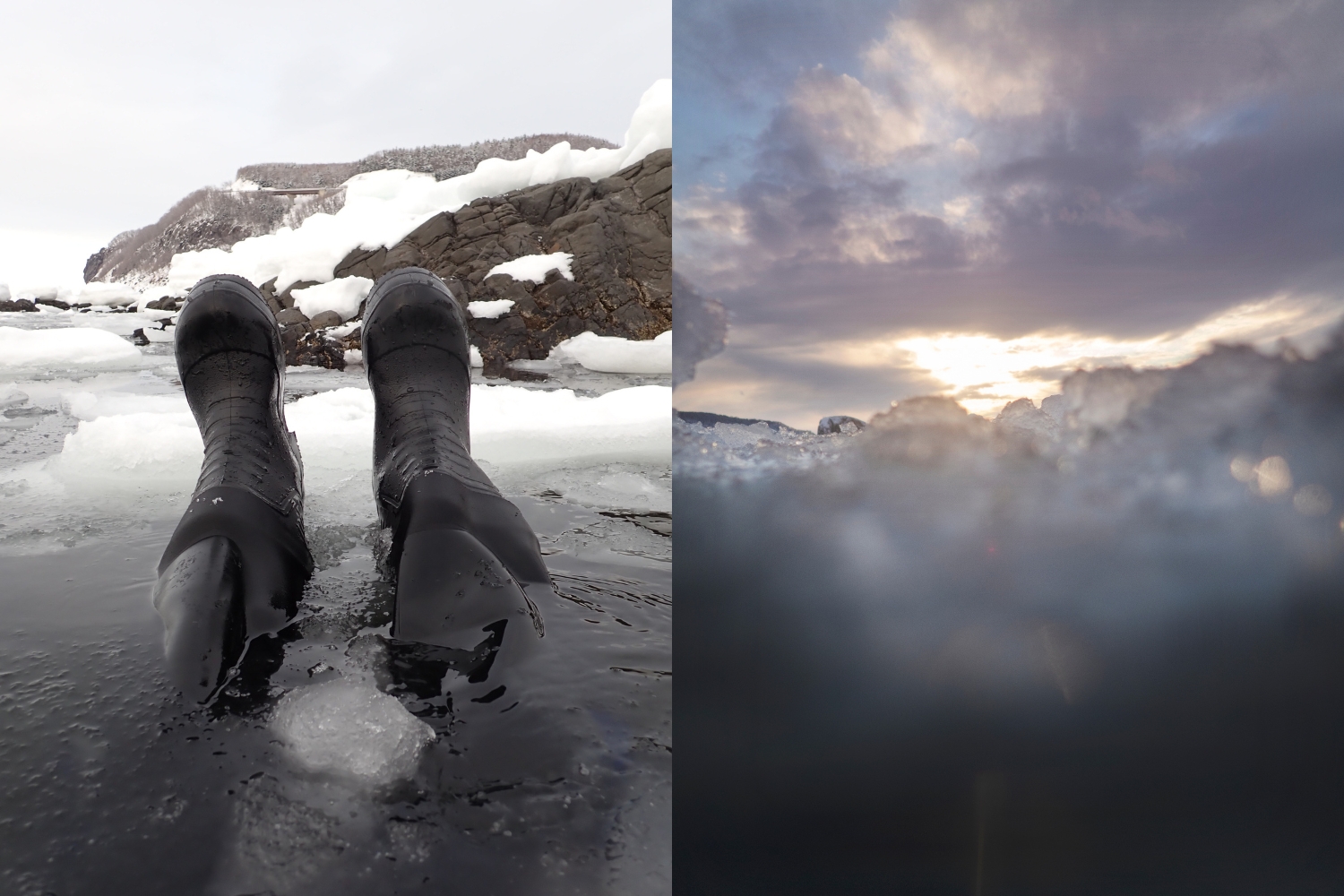
Photography Equipment: Because this was an experience I’d been looking forward to, I actually opted to not pack my underwater housing, instead taking the OM SYSTEM TG-7 along for the dunk. I wanted to be totally present in order to enjoy every second, and having the smaller camera looped around my wrist meant I could float around and take the occasional photo, without it becoming all about the images. I know that’s a weird thing for a photographer to say, but we all need to have a break from our jobs every so often, and this was my ‘spa day’ if you like.
The images you see here were taken on the TG-7, and there aren’t many of them because I was having far too much fun 😊
Which Tour Company to Swim with?
While still at home, sweltering in the Australian summer, I booked my ice swim with Alku Shiretoko, feeling completely assured it would be an incredible adventure, after reading that both guides had travelled down the Yukon by canoe, across the Gobi Desert and Greenland on foot. If you are planning on doing this, I’d recommend booking a date early as they fill up quite quickly, and while they’ll only go ahead if there is actually ice on the shore, it’s best to secure your dates!
Their guidance but also humour and sense of adventure made the experience even better.
I’m considering hosting a Winter Wildlife and Photography Tour in Eastern Hokkaido, February 2027. If you’re keen to learn more, please email hello@thewanderinglens.com
Hello! I’m the founder and photographer behind The Wandering Lens.
With 19+yrs experience as a professional travel and landscape photographer, all advice found on this site is from my personal experience, or that of contributors, on the road. I hope it’s useful for your own travels and would love to hear in the comments about your trips and experiences around the world.
Leave a Comment