
Exploring the Wildlife and Natural Wonders of Eastern Hokkaido
For photographers seeking quiet landscapes and wildlife opportunities, there’s a different pace to winter in Eastern Hokkaido,
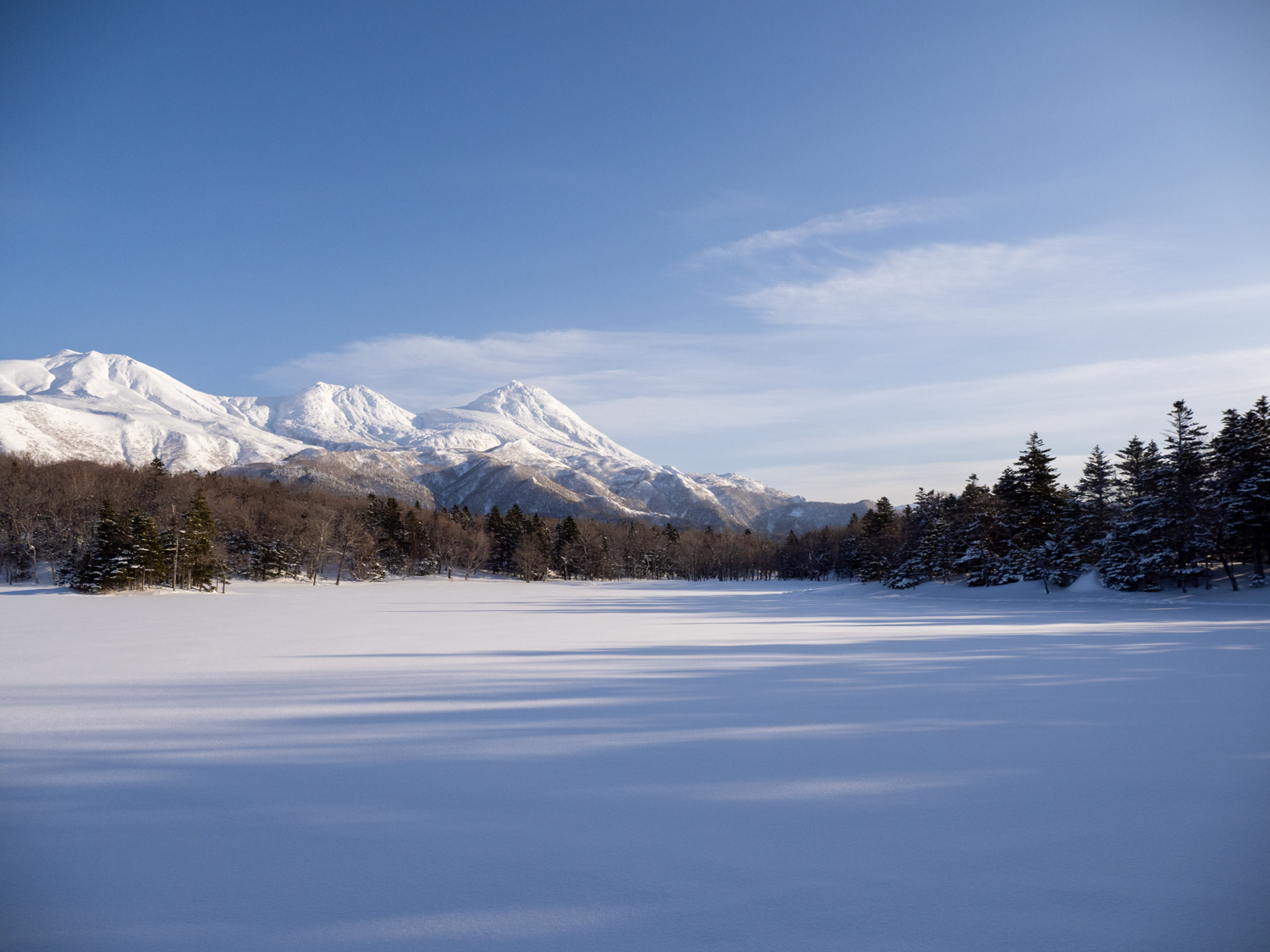
Beyond the ski fields and busier resorts of the western side of Japan’s northern island, the landscape opens into something far more spacious. Frozen lakes sit beneath low winter light, steam rises where geothermal activity meets the cold air, and wildlife moves quietly through snow-covered terrain.
It’s not a destination built around a single landmark or viewpoint. Instead, the appeal lies in the variety within a relatively compact region. Forest, coastline, volcanic activity, mountains and wetlands all sit within a few hours of each other, each offering a distinct photographic approach and adventure.
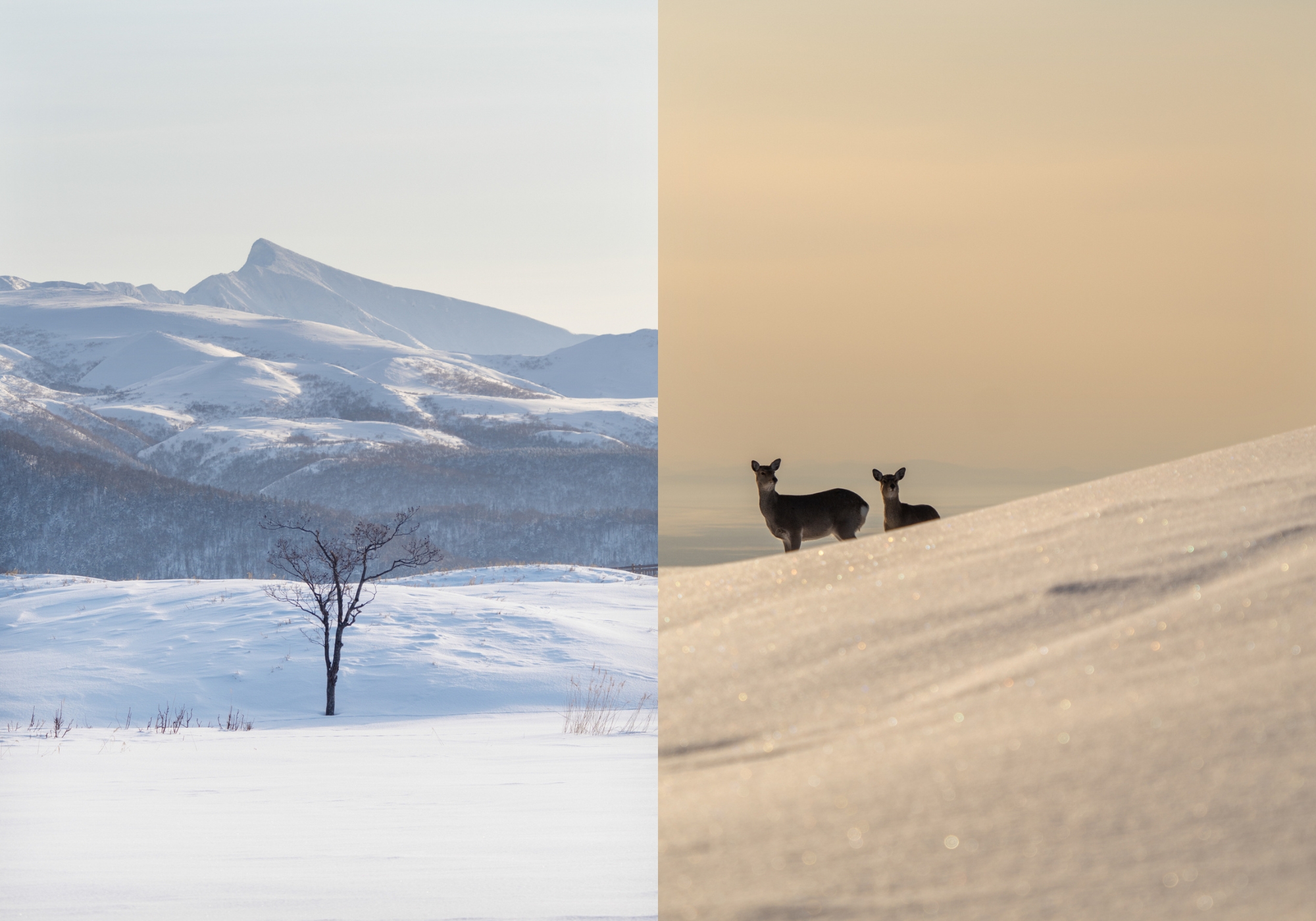
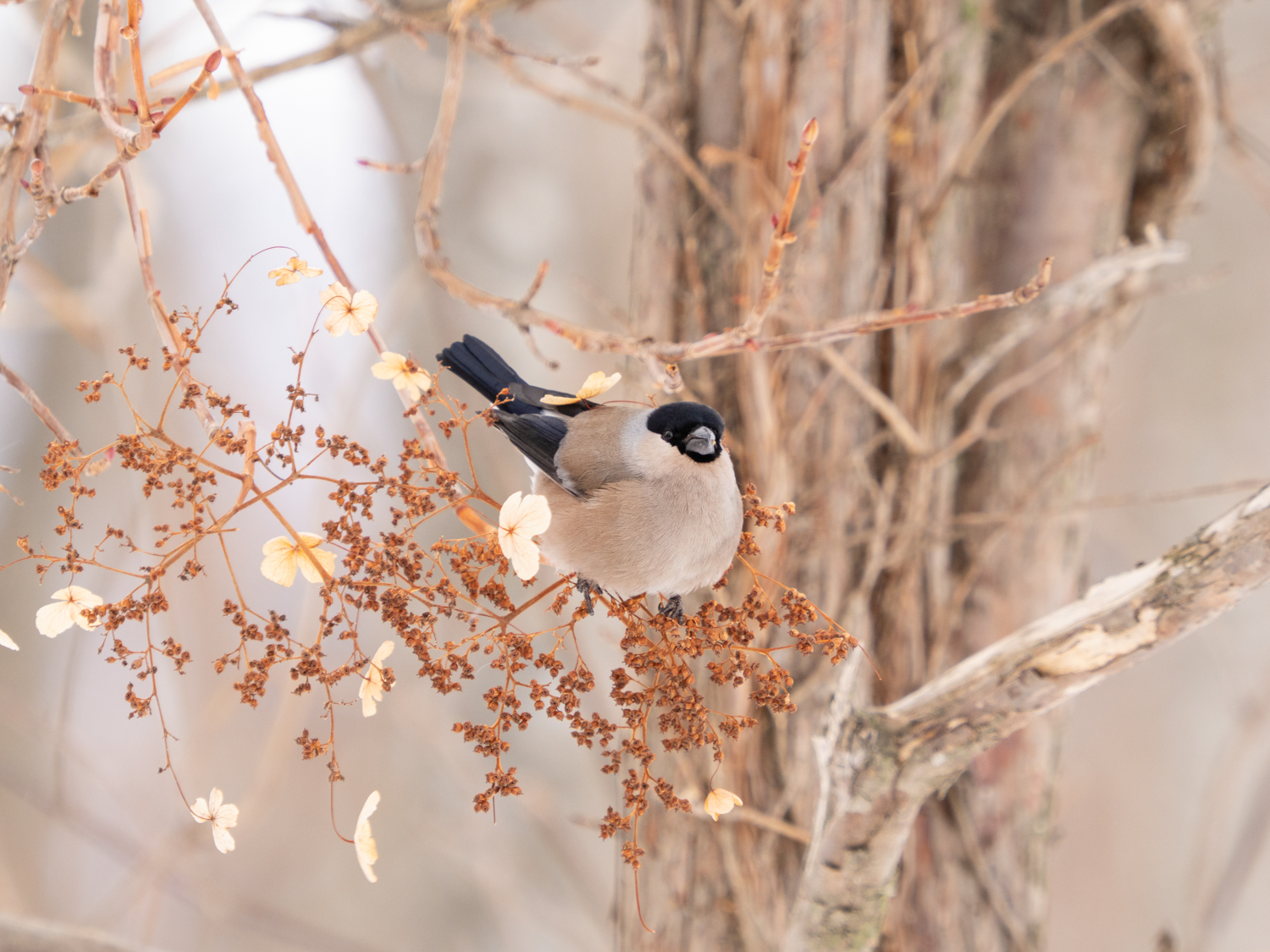
On top of the landscapes, you have the wildlife that inhabits them. From the elusive snow fairies Shima-enaga, to foxes, eagles, swans, bears, and deer. The region delivers continual surprises, with the chance to slow down, explore quietly, and photograph amongst some of the most diverse scenery you’ll find in Japan.
This guide focuses on key locations and experiences well-suited to winter photography, drawing on my personal adventures. From lakes shaped by geothermal activity to coastal drift ice and wildlife encounters, it’s a region that rewards time, patience, and a willingness to work with changing conditions. From my experience, I’d say each season requires a separate guide; autumn and summer here would also be spectacularly photogenic in their own way, so stay tuned for these guides in time!
The images within this guide were photographed over two weeks in February.
Why Visit Eastern Hokkaido in Winter?
While central regions draw visitors for snow sports and city-based travel, the east remains quieter, with fewer crowds and a stronger connection to the natural environment.
Snow cover is consistent across much of the region, creating clean, simplified landscapes that lend themselves well to photography. At the same time, winter brings increased wildlife activity, particularly around Kushiro and the Shiretoko Peninsula, while the bears are resting in the colder months (some may still be out and about so it’s important to remain bear aware), whooper swans, red crowned cranes, sea eagles, and foxes will keep photographers very happy.
What makes this region especially appealing is the balance between accessibility and remoteness. Roads are well maintained, distances between locations are manageable, and yet once you arrive, it often feels as though you have space to explore and hardly anyone around.
Across the region, you’ll find opportunities to photograph:
- Red-crowned crane in the Kushiro wetlands
- Whooper swan gathering on partially frozen lakes
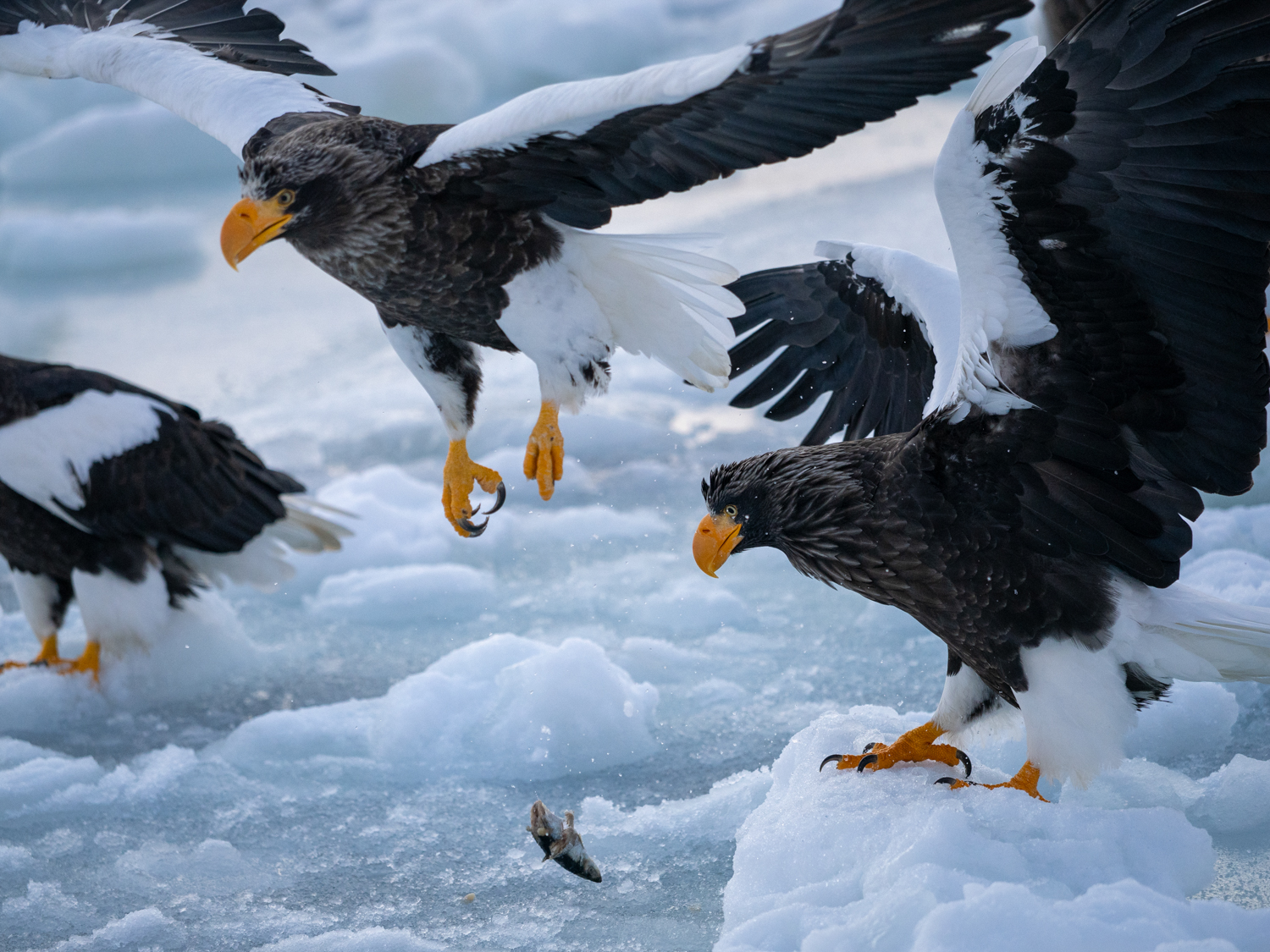
- Steller’s sea eagle and White-tailed eagle along the coast (read about this experience here)
- Ezo Deer, in fact, you’ll likely see them so much that you’ll have to get creative with ideas for each encounter!
Combined with geothermal landscapes, frozen lakes, and coastal ice formations, eastern Hokkaido offers a wide range of subjects without the need for long travel days.
When to Visit Eastern Hokkaido
The winter photography season in eastern Hokkaido typically runs from late January through to early March, when snow cover is reliable and wildlife activity is at its peak.
- Late January to early February
Colder temperatures, fresh snow, and the early formation of drift ice along the coast Wildlife activity is strong, particularly around feeding areas. - Mid to late February
A balanced period with slightly more stable weather, consistent snow cover, and good chances of drift ice along the Shiretoko coastline. - Early March
Longer daylight hours and slightly softer conditions, though still suitable for winter photography, particularly in higher or more sheltered areas.
Temperatures regularly fall below -10°C, especially at sunrise, which plays a key role in creating atmospheric conditions such as steam over lakes and frost across the landscape.
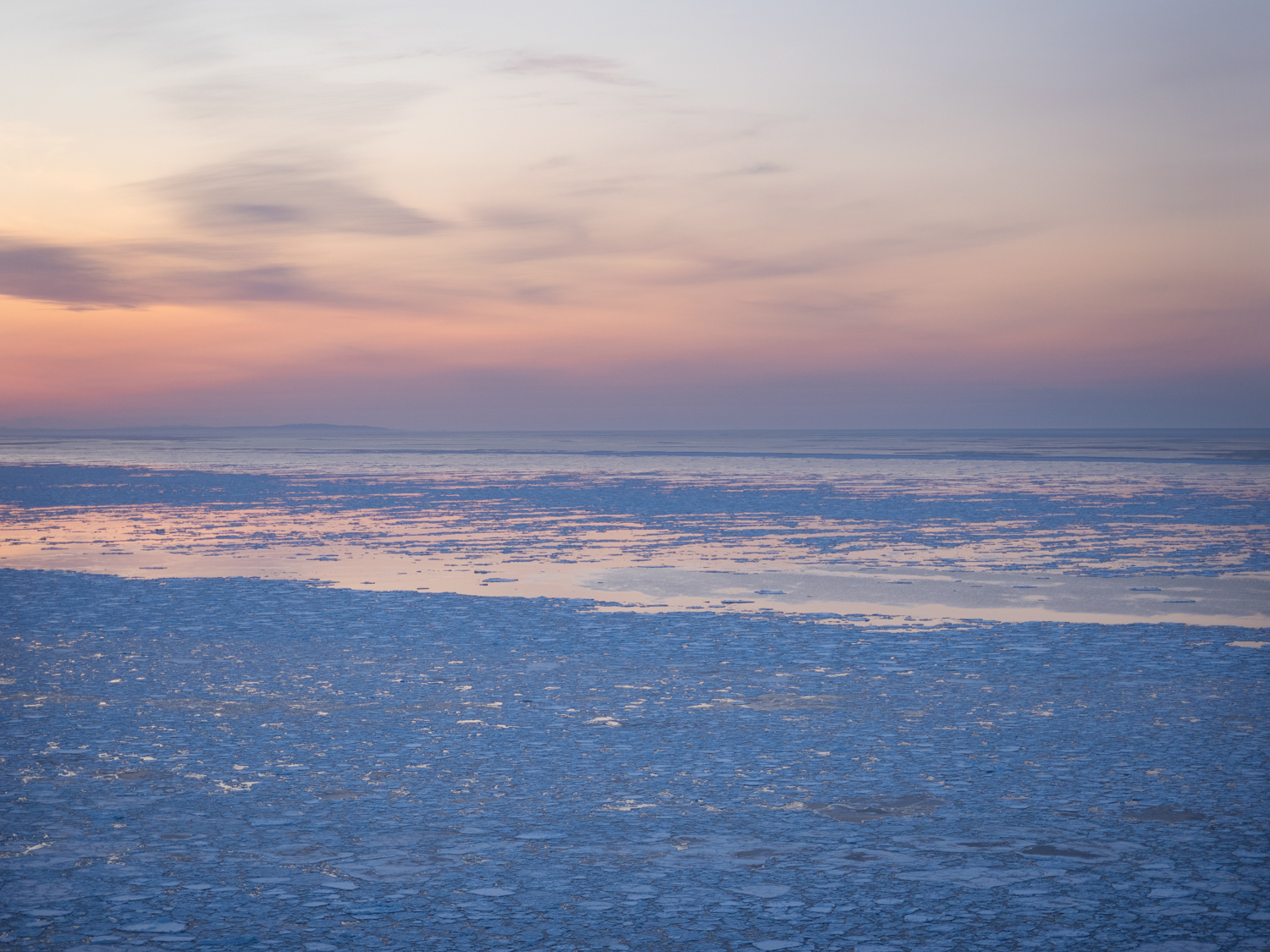
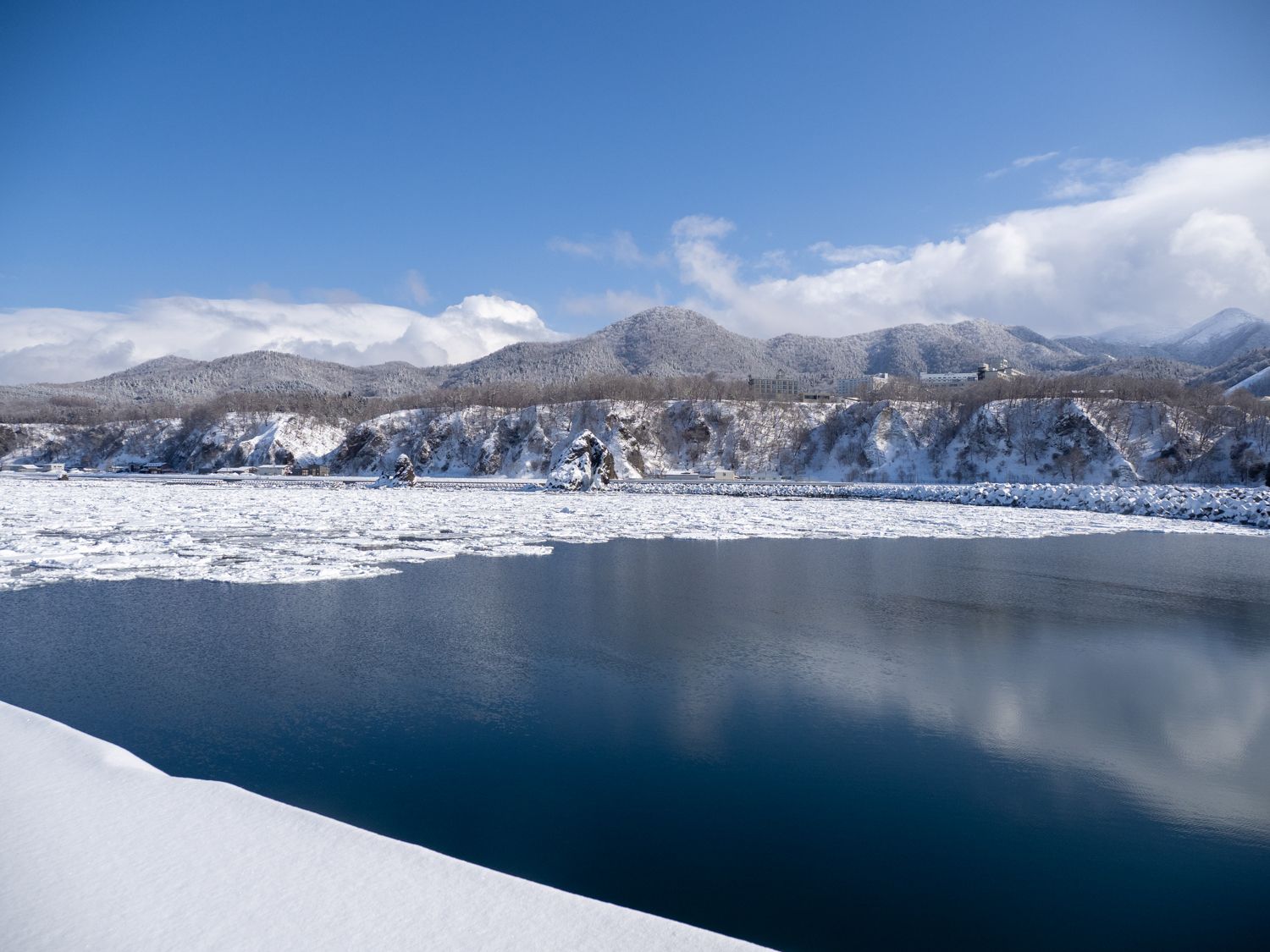
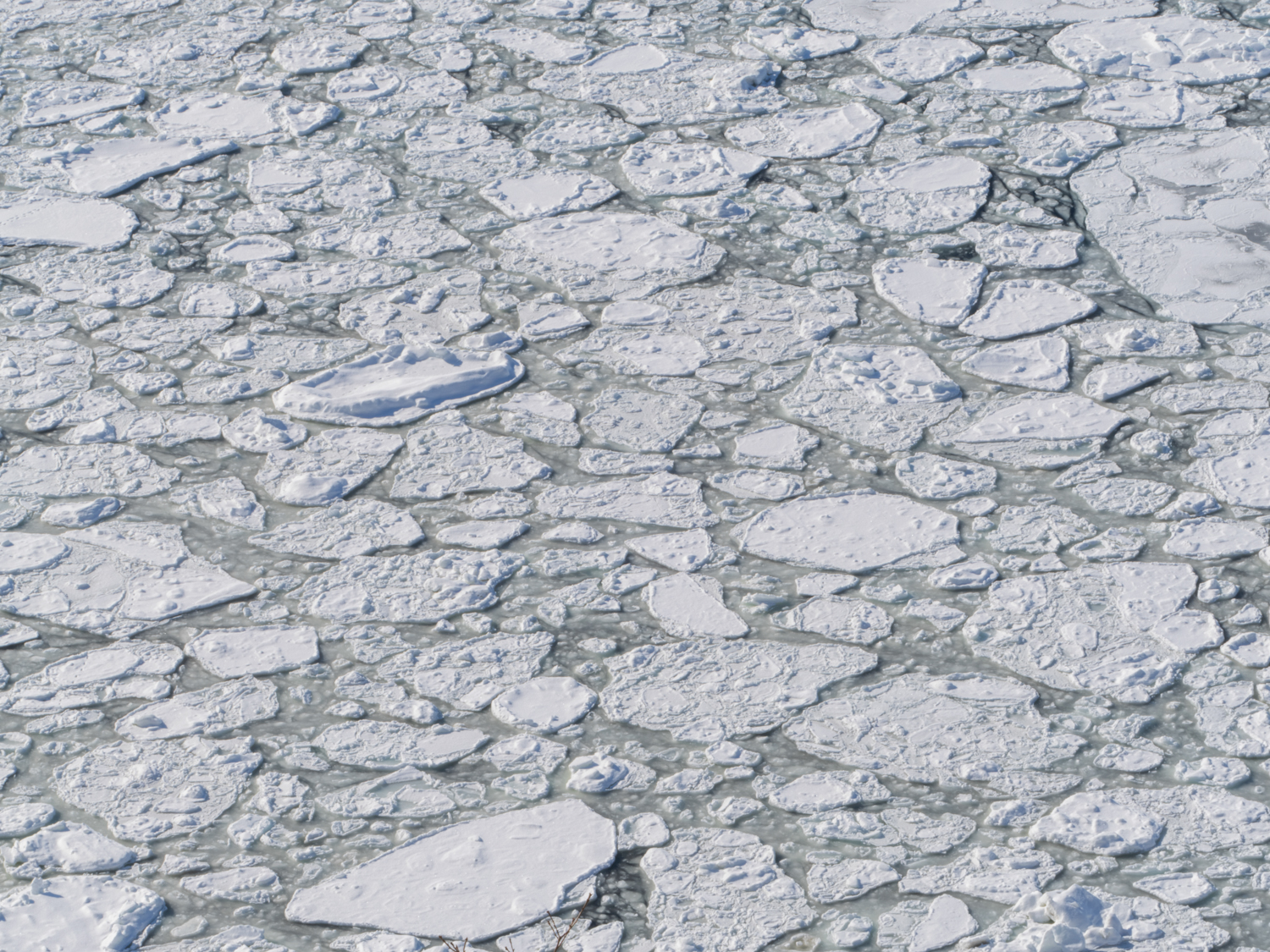
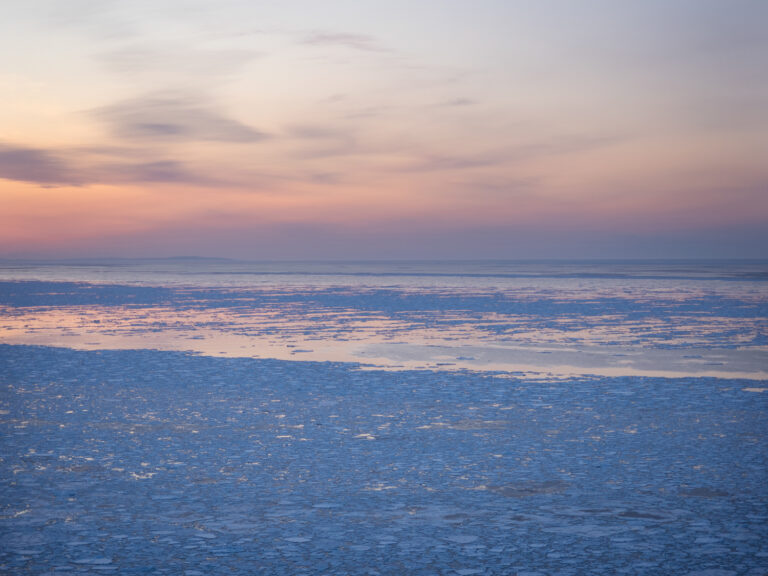
Drift Ice Note – If you’re planning your visit around photographing Drift ice, it’s one of the more variable elements of the season. It forms in the Sea of Okhotsk and is carried south by currents and wind, meaning its presence along the Shiretoko coast isn’t guaranteed on any given day. Some mornings it may be pushed tightly against the shoreline in dense formations, while on others it drifts back out to sea, leaving open water behind.
If photographing drift ice is a priority, it’s worth allowing a little flexibility in your schedule, as conditions can shift quickly even over a day or two.
Photography Conditions & What to Expect
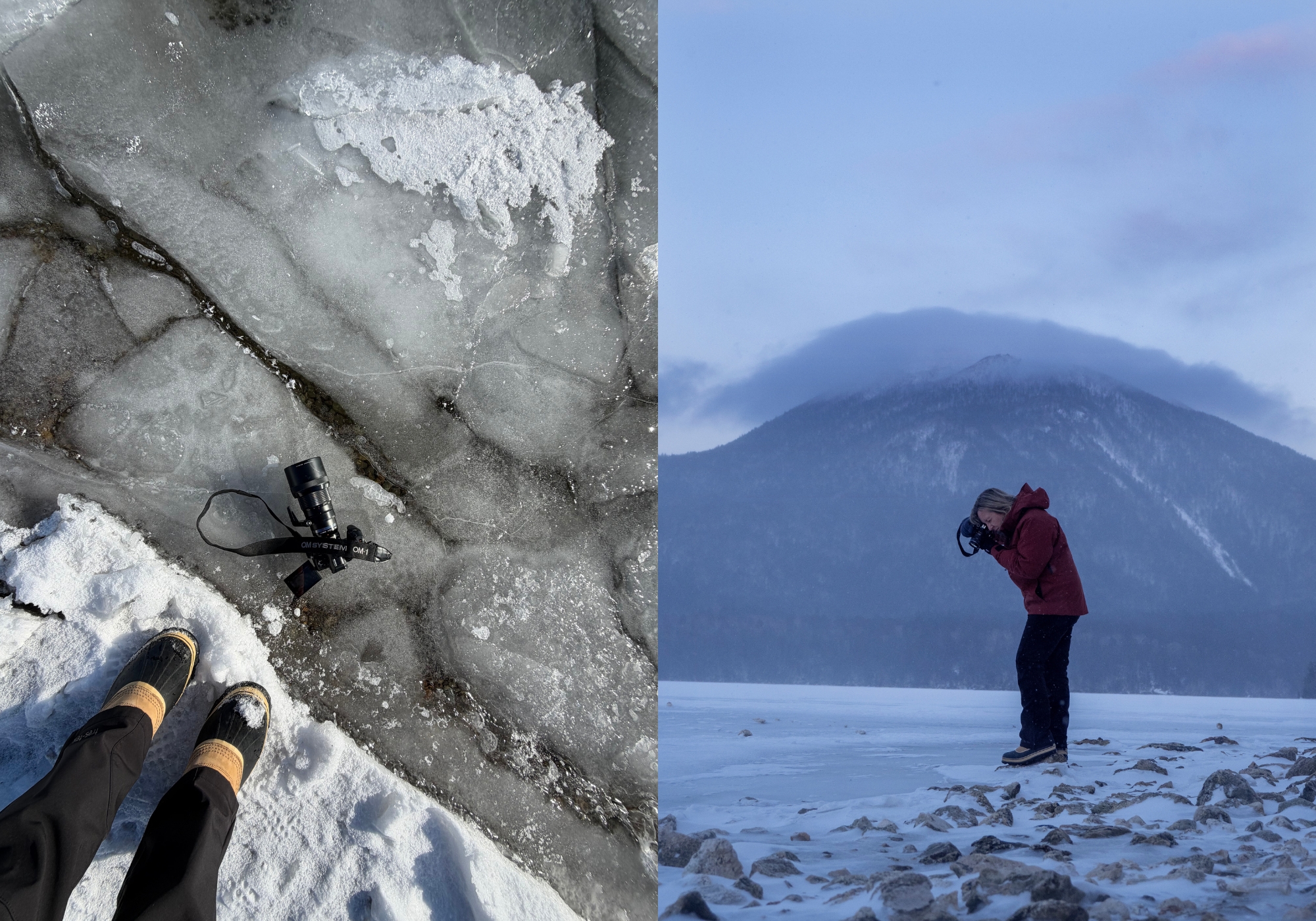
Photographing in eastern Hokkaido during winter requires a flexible approach. Conditions can shift quickly, and the strongest images often come from working with what’s in front of you rather than waiting for ideal scenarios.
Light is typically soft and diffused, particularly on overcast days, which helps simplify scenes and reduce contrast across snow-covered environments. Clear mornings can bring more directional light, though these conditions are less frequent…if you do snag a foggy, frosty morning with golden light, though, you won’t be able to put your camera down!
Geothermal areas and partially frozen lakes introduce additional elements, with steam and mist forming when cold air meets warmer ground or water. These features can either enhance a composition or obscure it, depending on timing and wind direction.
Rather than relying on dramatic light, much of the photography here centres on:
- Subtle tonal variation within snow and forest textures
- Layering through mist, steam, and distance
- Timing, particularly when working with wildlife
It’s a region where patience tends to produce stronger results than speed, viewpoint hopping, and rushing. Returning to the same location more than once can make a noticeable difference.
Key Locations for Photographers in Eastern Hokkaido
Lake Akan
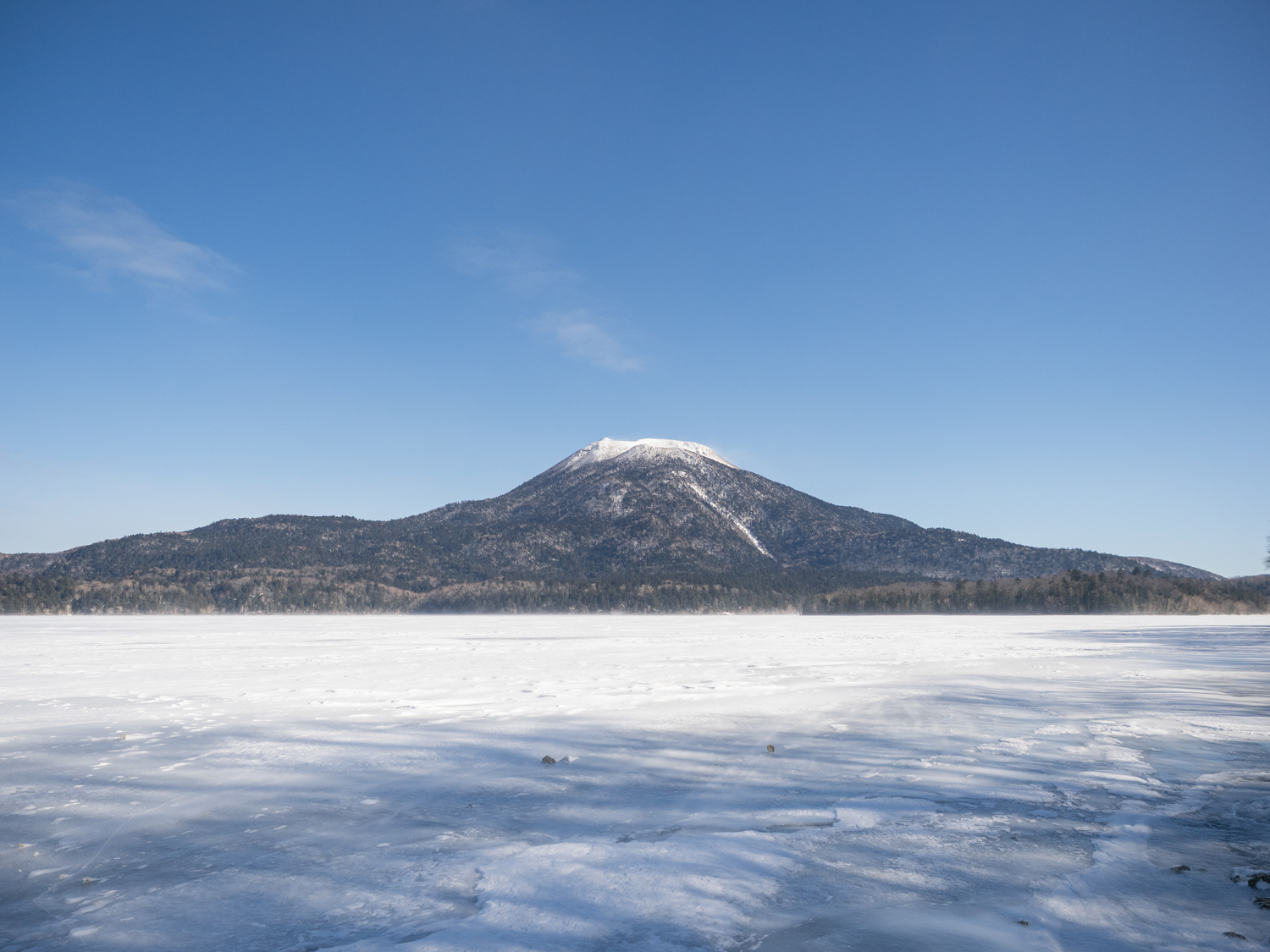
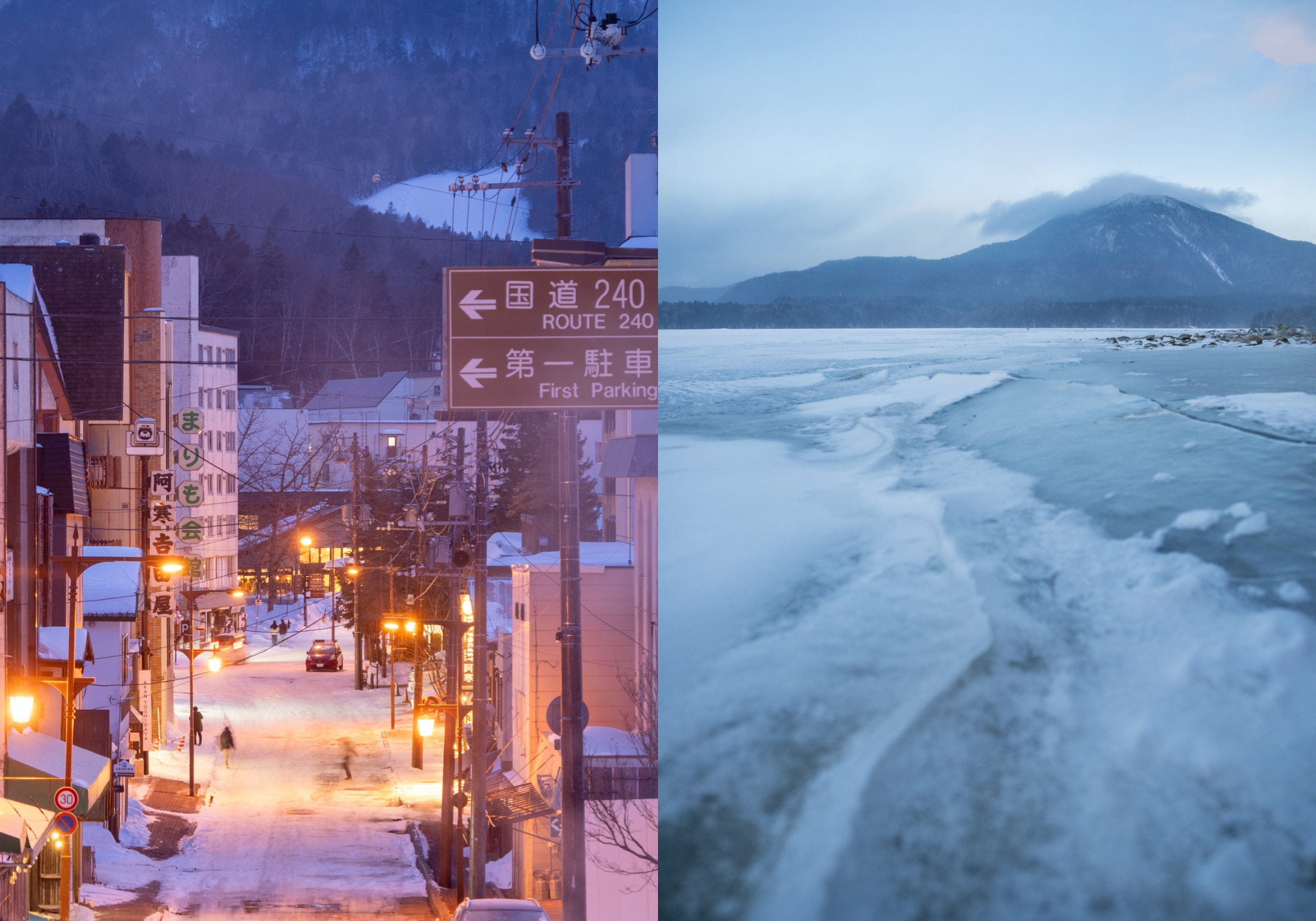
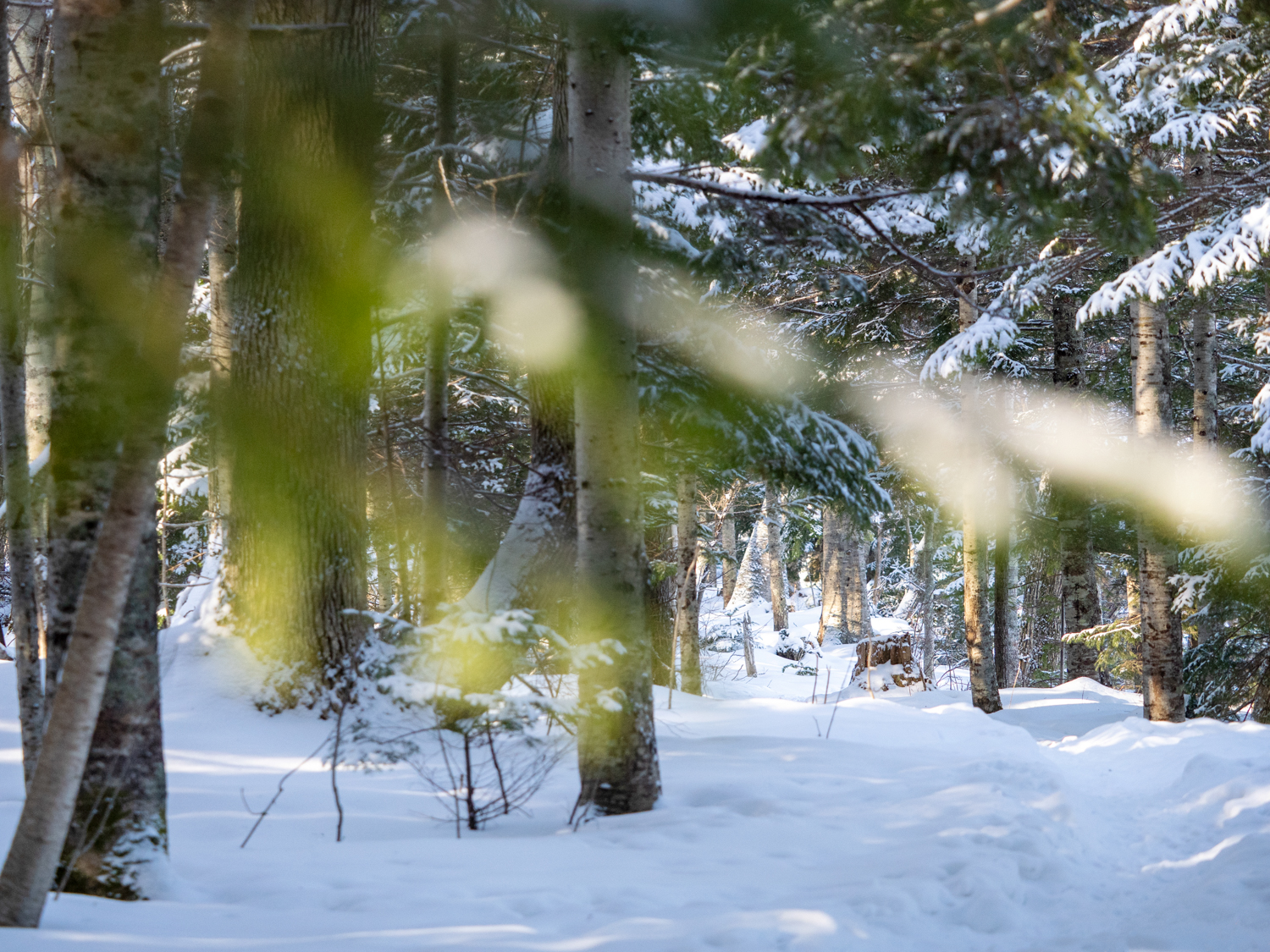
Lake Akan sits within Akan-Mashu National Park, around 1 hour 20 minutes from Kushiro Airport, and is often one of the first stops when exploring eastern Hokkaido. It’s also one of the more developed locations in the region, with a small resort town and onsen lining the southern shore. Most visitors tend to remain close to the village, so it doesn’t take long to step beyond the main area and find quieter scenes along the lake’s edge or within the surrounding forest.
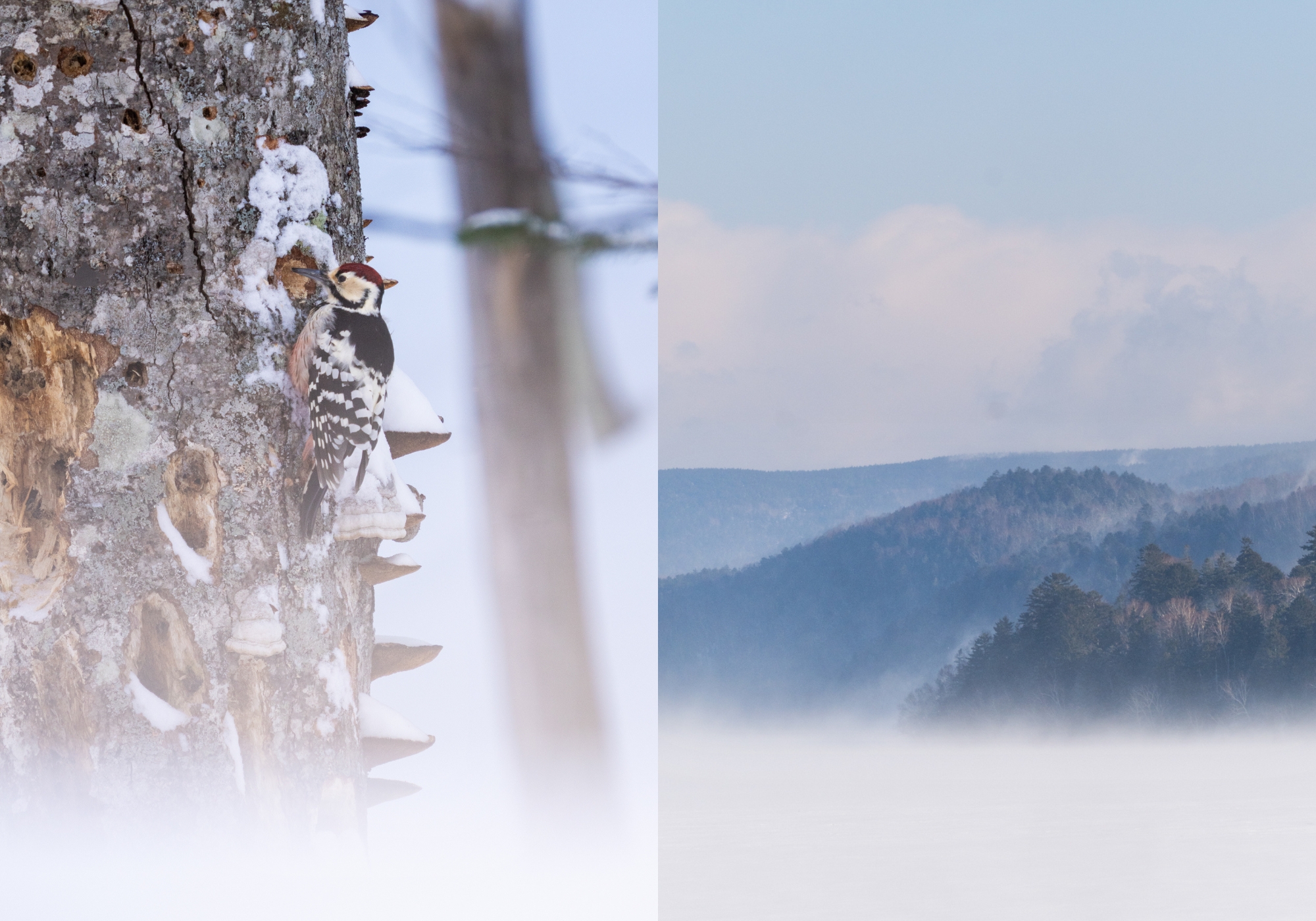
The landscape itself is relatively understated, which is part of its appeal. Snow settles gently across the woodland, softening contrast and simplifying the scene, while geothermal activity adds subtle movement. At the Bokke mud volcano, steam rises through the trees and shifts constantly with the temperature, creating opportunities to work with layering rather than relying on dramatic light. And it’s worth stopping to watch the bubbling mud too, quite a phenomenon to witness, especially if deer arrive to soak in the warmer air.
What to Photograph:
- Steam drifting through forest at the Bokke mud volcano and textured trees contrasting with the snow.
- Woodpeckers, Shima-enaga, and other birdlife in the forests, particularly early morning!
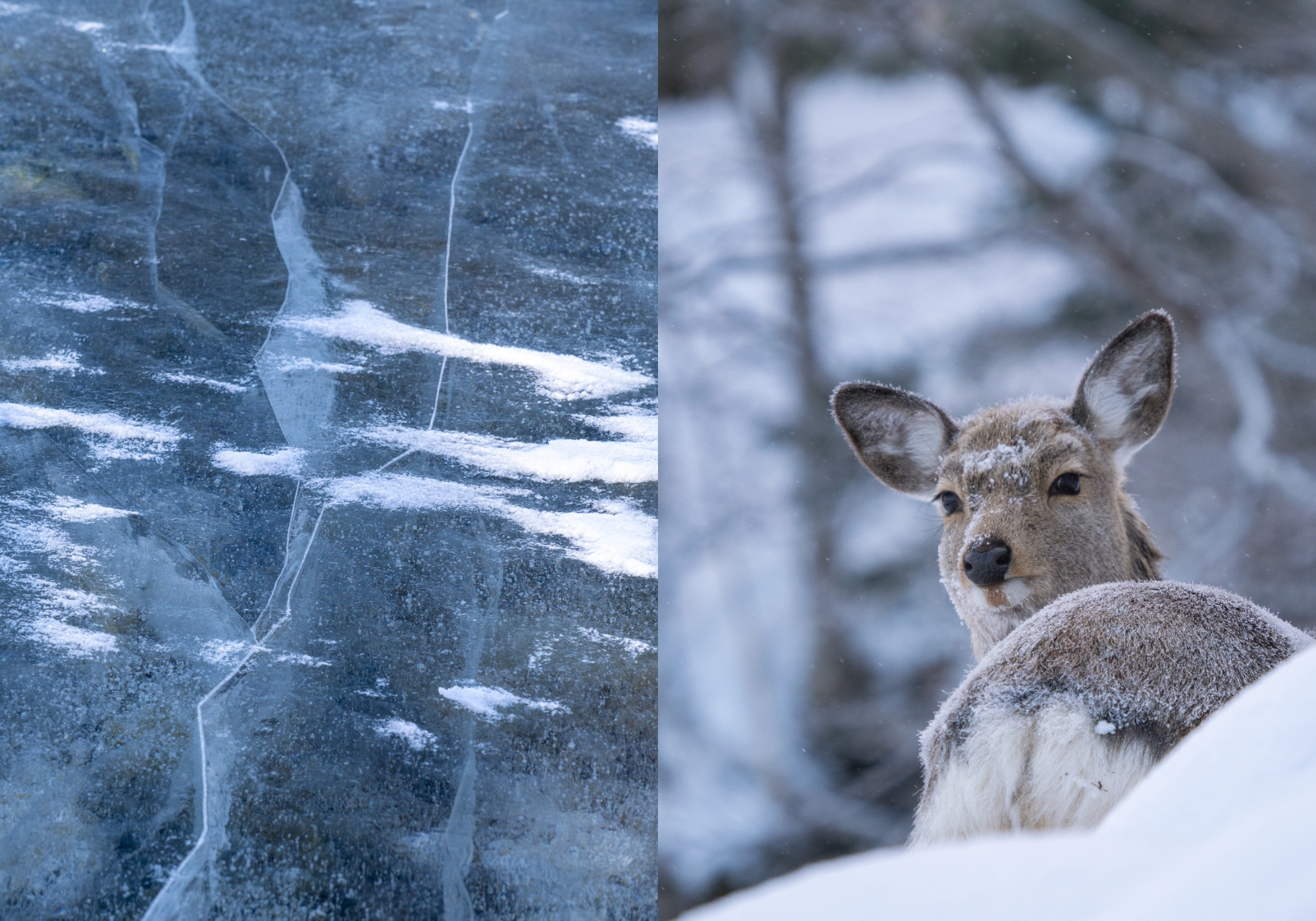
- Small shoreline details where snow, ice and water meet with frozen cracks, bubbles, and patterns.
Where to Stay: I opted for The Forest Akan, a Tsuruga Resort for its proximity to the hiking trails for sunrise wanders. The rooms had incredible views over the lakes, were clean, modern, and the resort also has an onsen (which I didn’t use because I spent every possible minute outside taking photos). There’s a Lawson nearby, and I highly recommend Ajishin for dinner, a cosy, family-run restaurant just a short walk from the hotel. Also, Pan de Pan next door has all your bakery goods covered (I’m gluten-free so could only enjoy the smell and the foot bath outside).
Akan International Crane Center
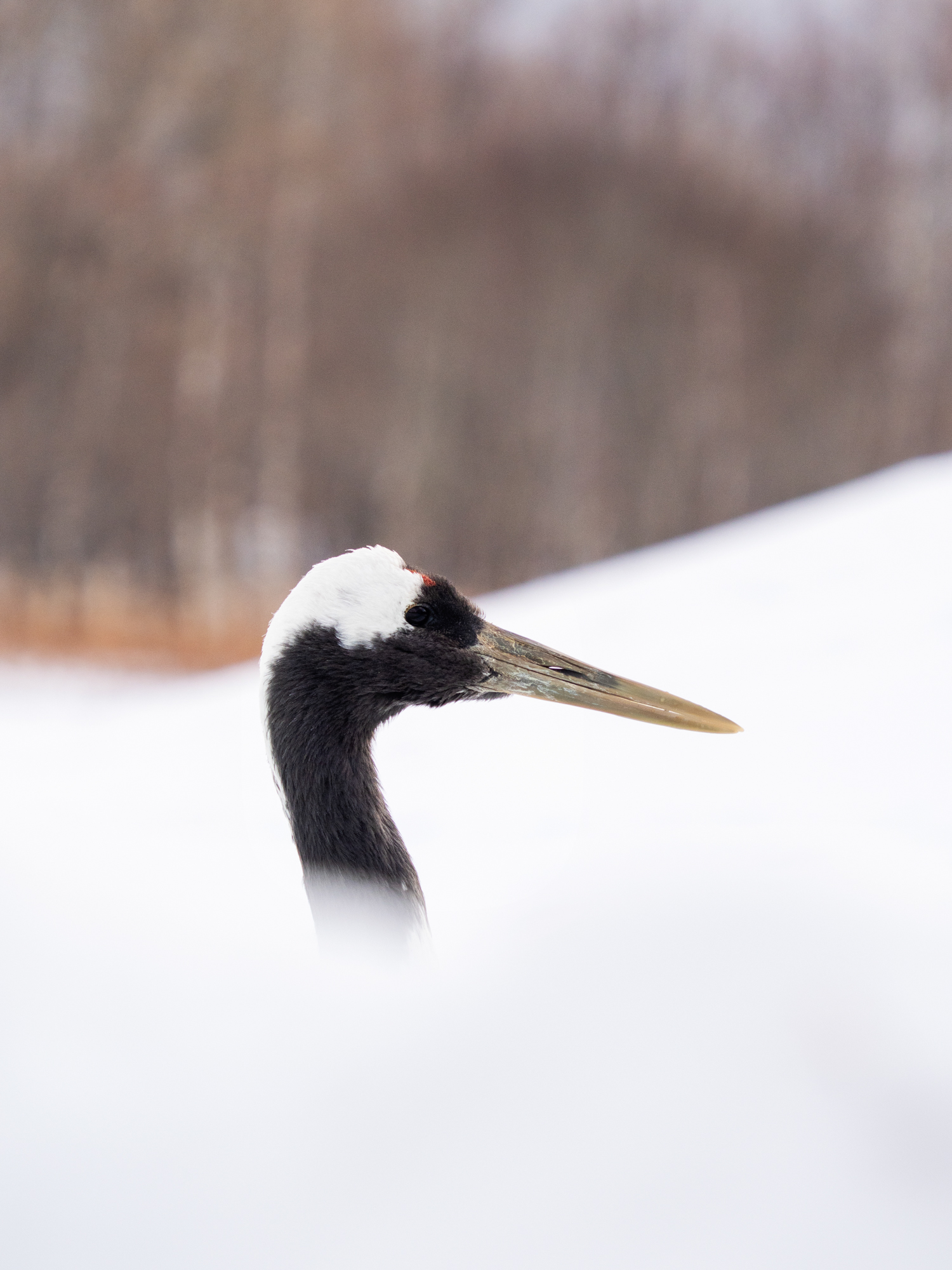
Located just outside Kushiro, around 20 minutes from the airport, the Akan International Crane Center is one of the most accessible wildlife locations in eastern Hokkaido. Snow-covered fields with very little visual distraction allow for full focus on the cranes themselves.
Red-crowned cranes gather here during winter, particularly around feeding times, though the most interesting moments often happen in between. Subtle interactions, changes in posture, and short bursts of movement tend to offer more compelling compositions than the more obvious displays. That said, if you’re lucky, you may witness their well-known courtship dance, where pairs leap, call, and move in synchronised sequences across the snow.
Snowfall can further simplify the scene, softening the background and isolating subjects, while early morning light tends to offer the cleanest conditions. Arriving early makes a noticeable difference, both in terms of light and positioning, as once the cranes settle, it’s best to remain still and let the action unfold within your frame. On my visit, we arrived late due to a delayed flight and just missed the courtship dance, though it was still a rewarding experience to photograph the cranes up close.
The center itself also features an indoor museum space with informative displays about the cranes, their habitat, and ongoing conservation efforts. It’s worth allowing a little extra time to step inside, particularly if you’re interested in understanding more about the species and the environment they rely on.
What to look for:
- Interaction between pairs, including courtship dance sequences
- Take-off and landing moments across clean backgrounds
- Minimal compositions using snow as negative space
- Cranes and whooper swans together, you’ll often hear the swans before you see them
Lake Kussharo
Roughly an hour from Lake Akan and about 90 minutes from Memanbetsu Airport, Lake Kussharo is one of the most rewarding sunrise and sunset locations in eastern Hokkaido. Unlike Akan, the landscape opens up here, with wider views across the lake and more opportunity to work with depth and layers.
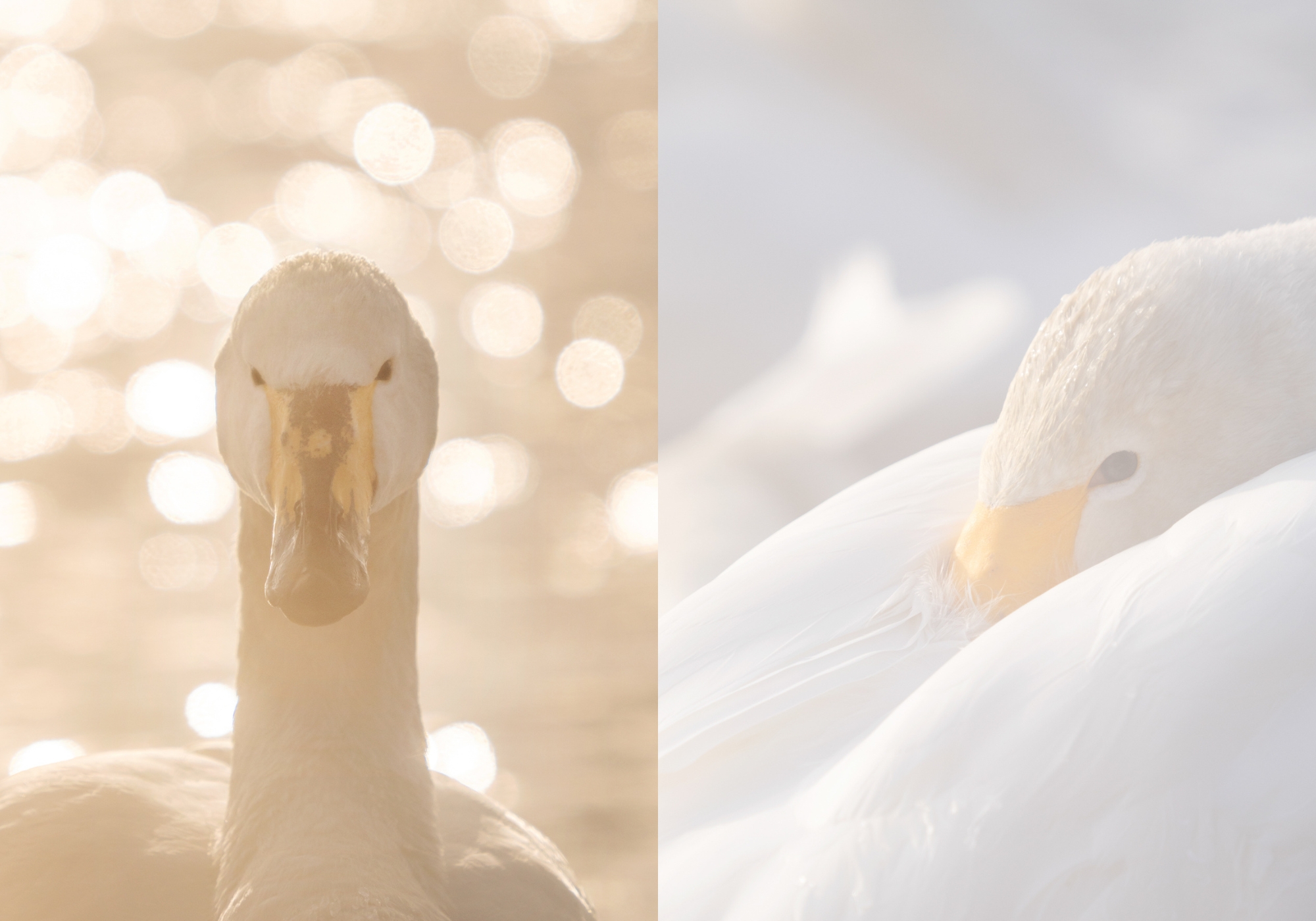
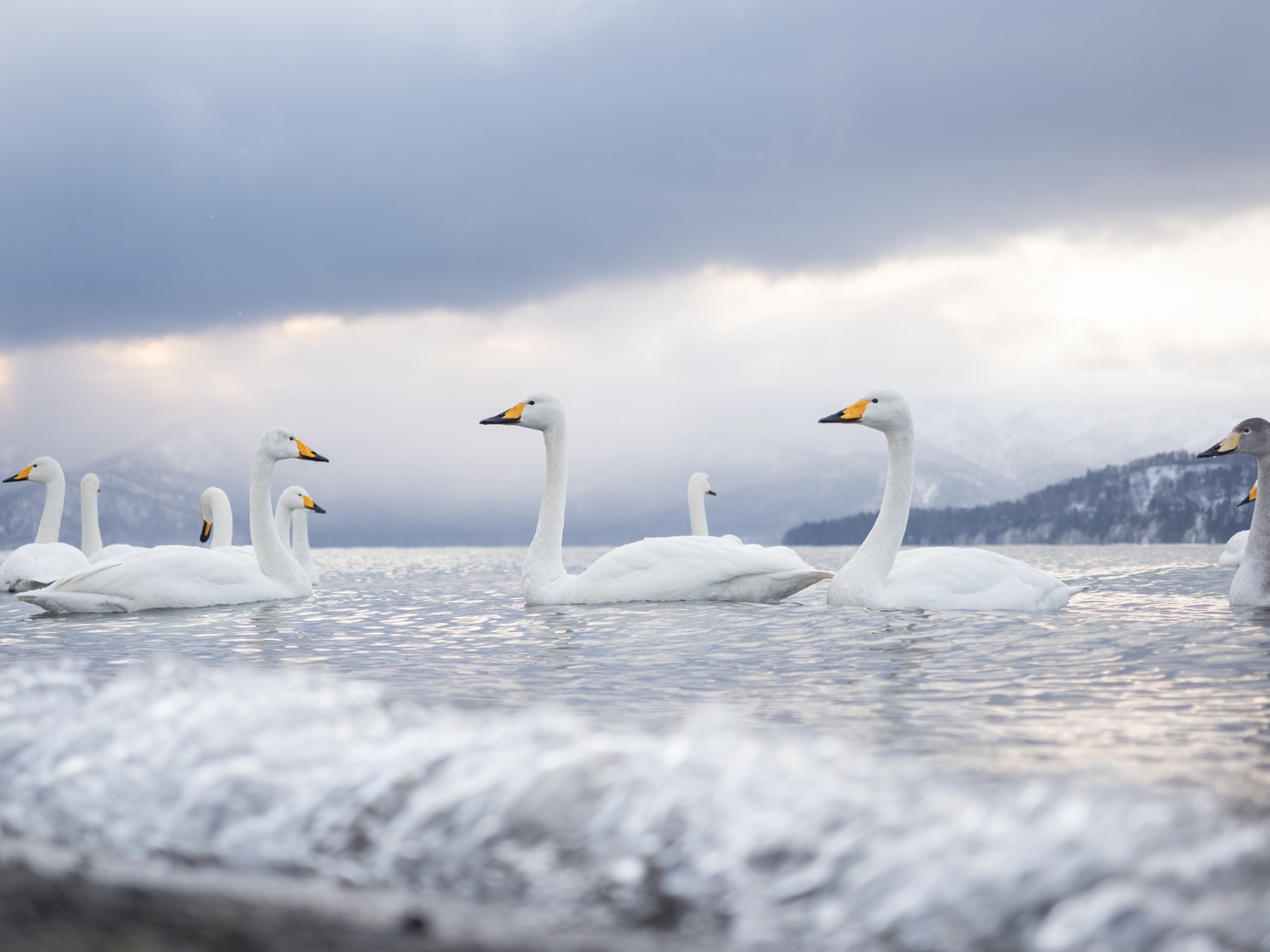
Geothermal activity prevents sections of the lake from freezing, attracting large numbers of whooper swans. As temperatures drop overnight, steam forms across the surface, often at its strongest just before and after sunrise. The result is a constantly shifting scene where visibility, light, and atmosphere can change within minutes.
Access points such as Sunayu and Kotan provide slightly different perspectives along the lakeshore, and it’s worth allowing time to explore both, particularly if, like me, you think you may get distracted filling your memory card with images of the swans. Early mornings here are often among the coldest of the trip, which tends to enhance the atmospheric conditions but also requires a bit of preparation.
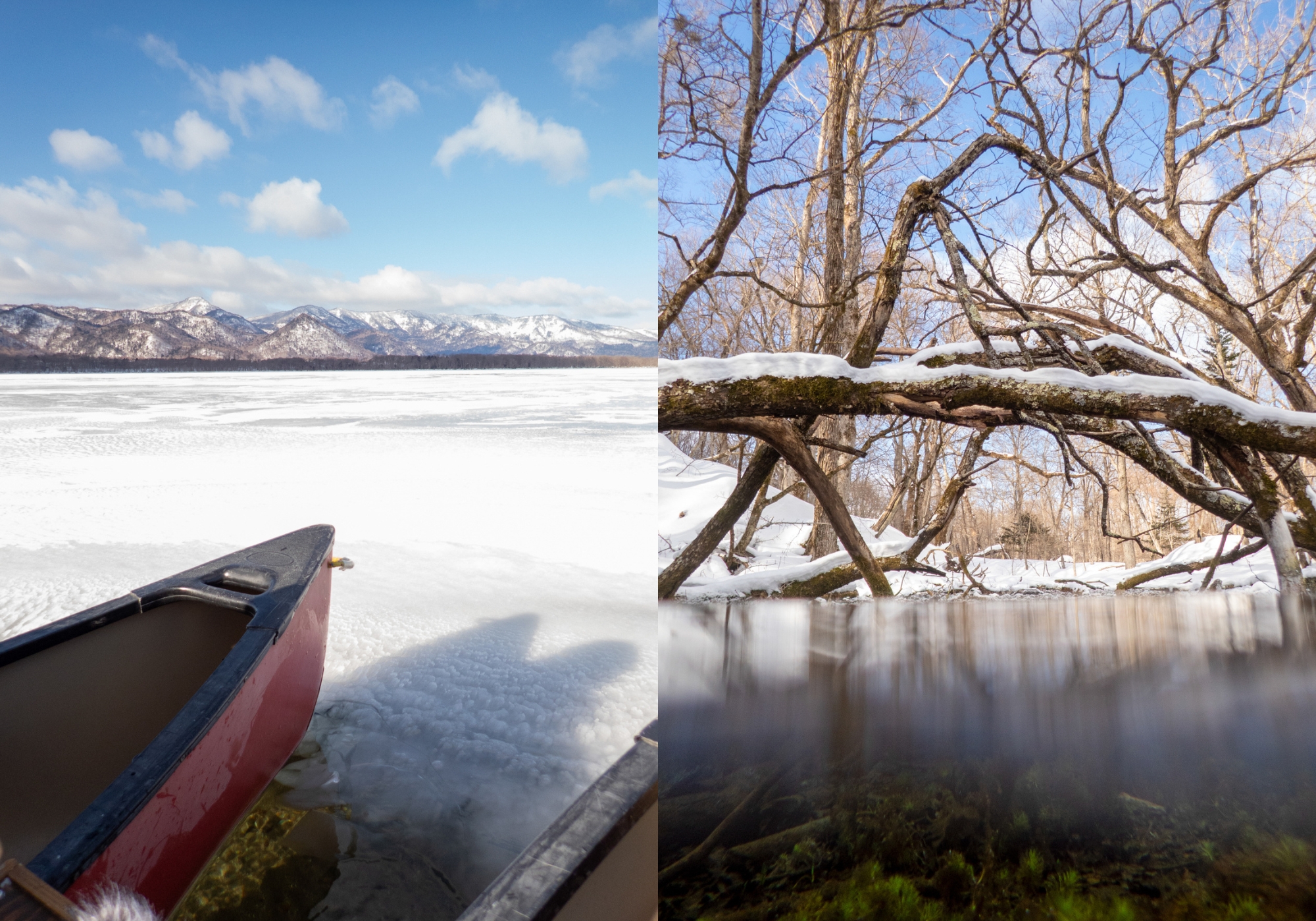
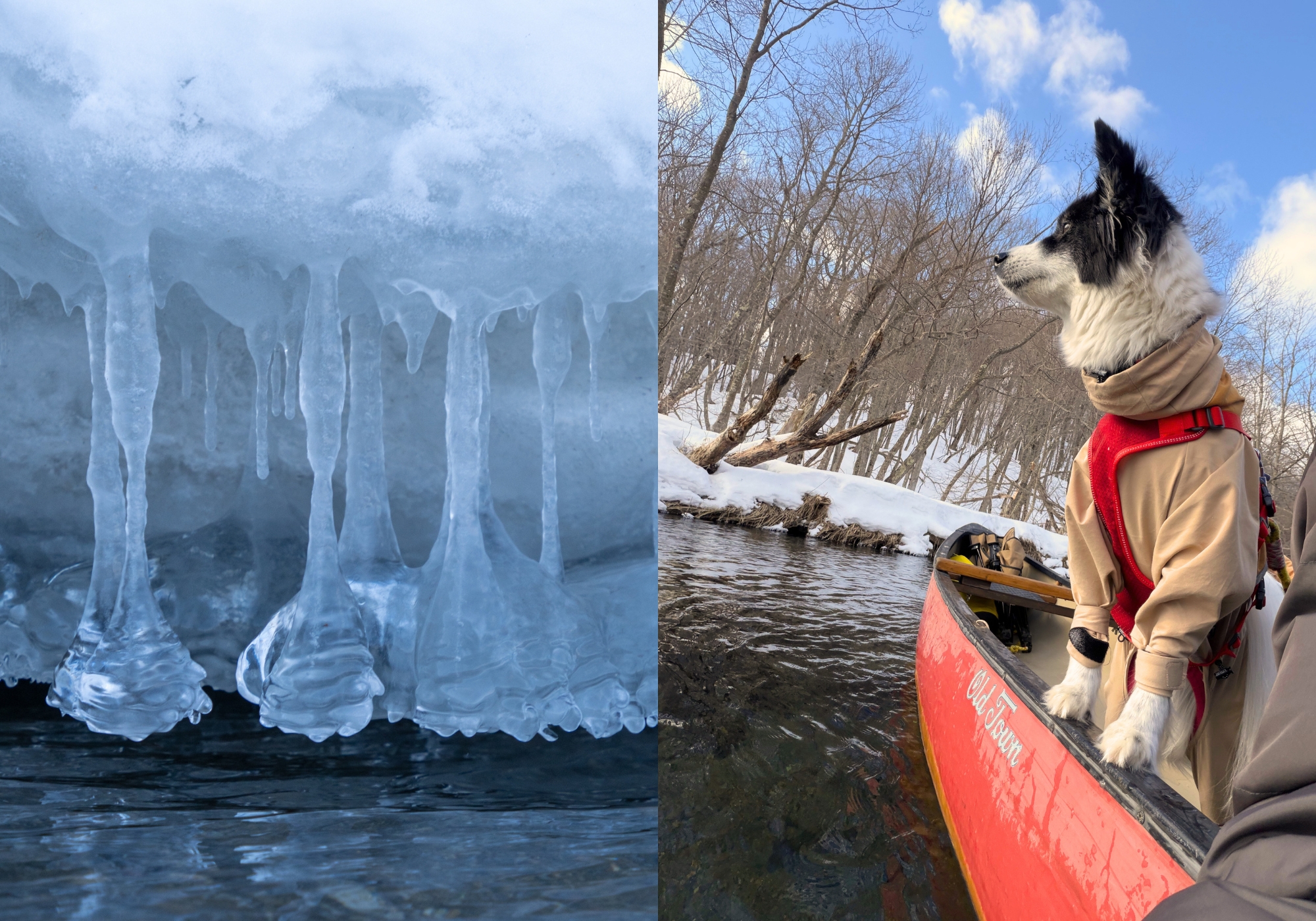
For a quieter perspective, canoeing along the nearby Kushiro River with Yoshida from Kussharo Eco Tours offers a completely different experience of the landscape. Drifting gently along the water, you’re at eye level with the surroundings, able to photograph birds and the snow-covered banks as they pass slowly by. The pace is unhurried, accompanied only by the soft rhythm of paddles in the water and birds moving through the trees. On my trip, we were joined by the owner’s two dogs, Aki and Yuki, who snuggled up in their lifejackets for the journey, adding an unexpected and memorable element to the experience.
What to Photograph:
- Swans moving through low-lying steam at first or last light
- Birdlife in the forests and lake shores, foxes too are regularly spotted!
- Soft colour transitions as light develops across the lake
- Frost flowers forming across the surface of the lake
Where to Stay: You can stay in nearby Teshikaga to have more options, however, I opted for a private rental, booking this tiny home to ensure we were close to the lake and easy(ish) walking distance from the Kotan Onsen. There are also a number of small hotels around the lake, but your choice should depend on whether or not you have a car. The lake is massive, so it’s best to book somewhere close to where you’re keen to photograph.
Bihoro Pass
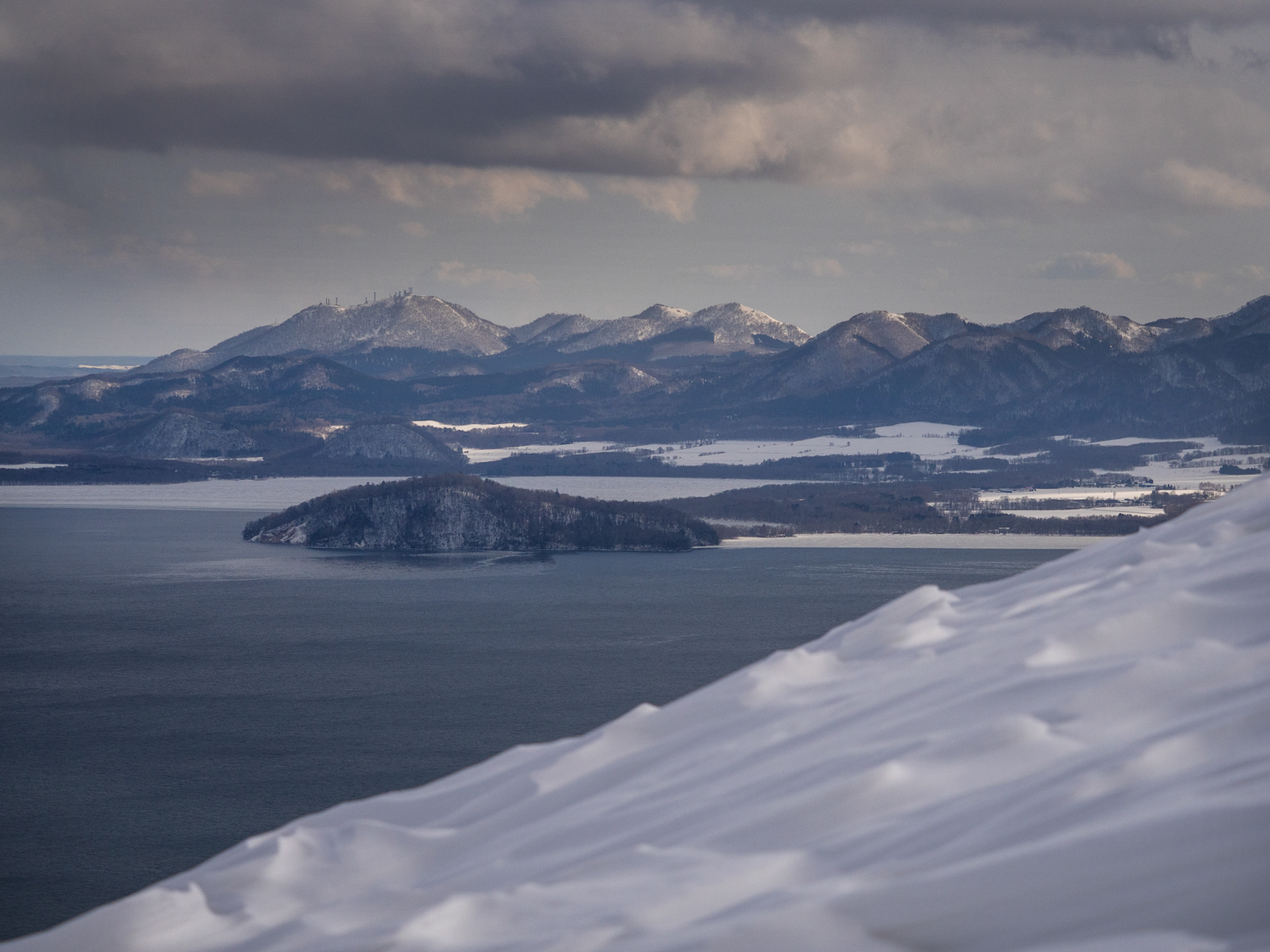
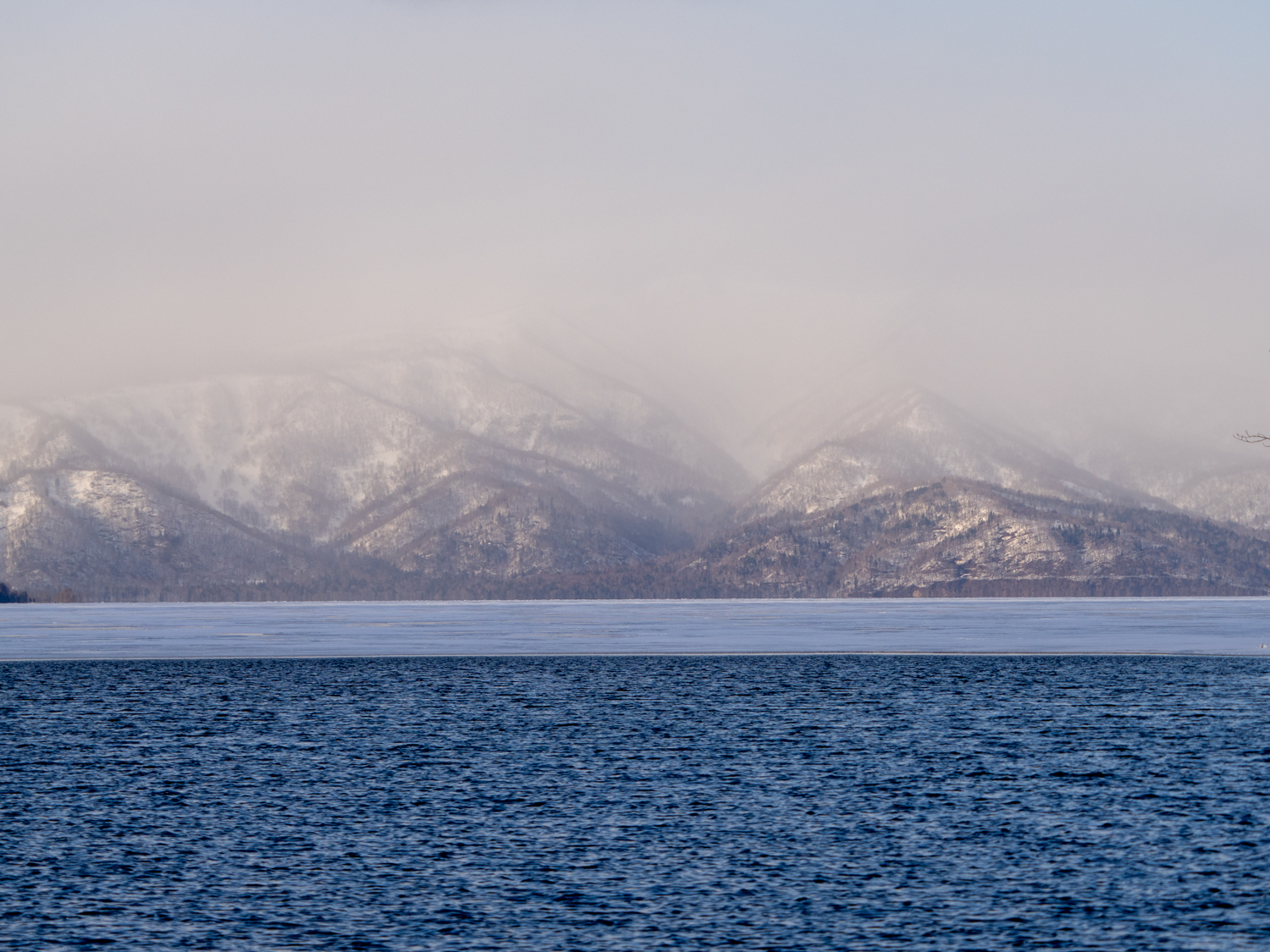
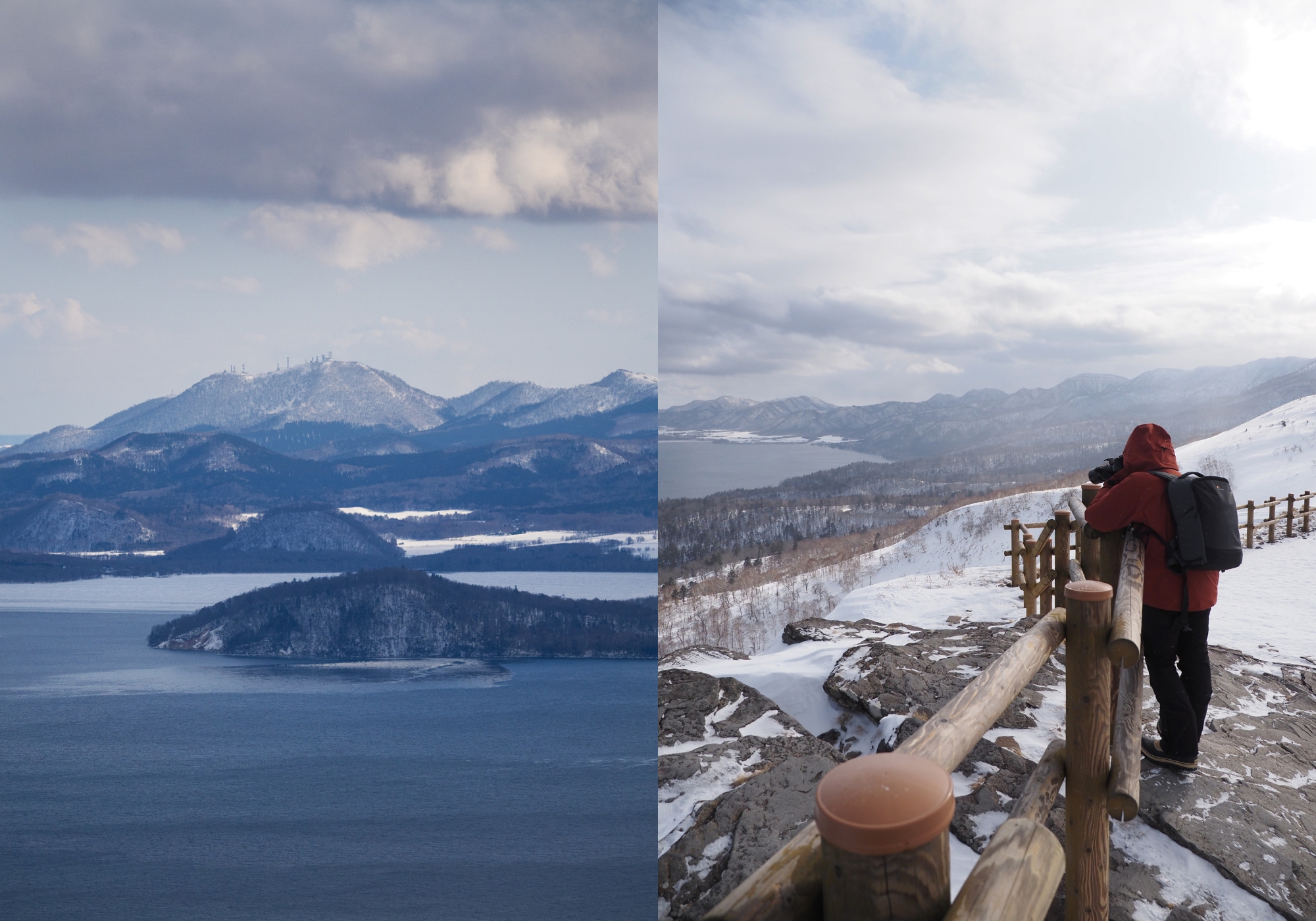
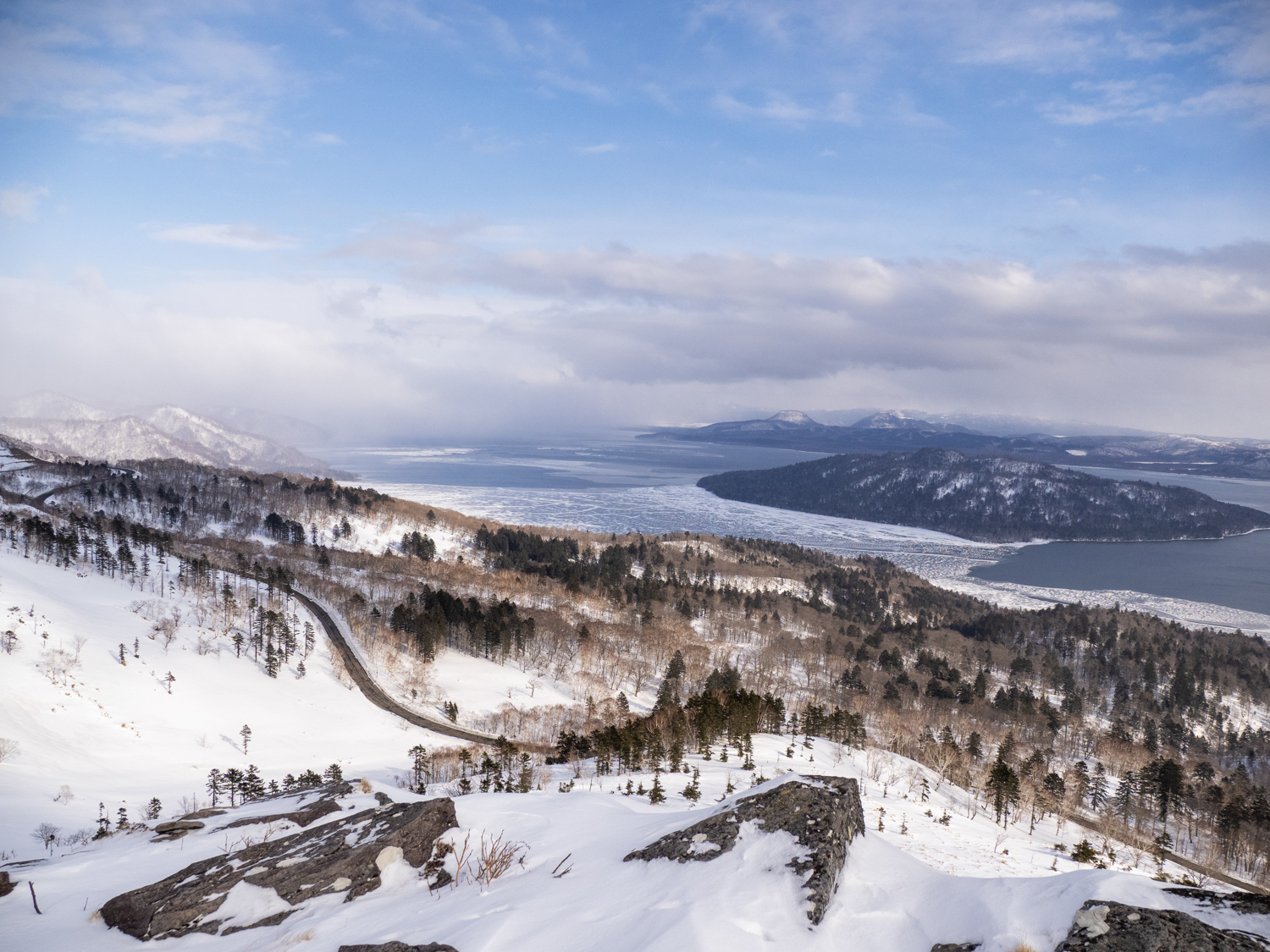
Around 30 minutes from Lake Kussharo, Bihoro Pass provides a shift in perspective, opening up views across the lake and surrounding mountains. It’s one of the few elevated viewpoints in the region, looking out across Lake Kussharo within the largest caldera in Japan, and on a clear day, the scale of the landscape becomes much more apparent.
That said, clear conditions aren’t always the most interesting. Low cloud, snowfall, or partial visibility often help simplify the scene, breaking up the view into smaller sections that are easier to work with when composing your image. The challenge here isn’t finding something to photograph; it’s deciding what to leave out or how to isolate details within such a vast scene.
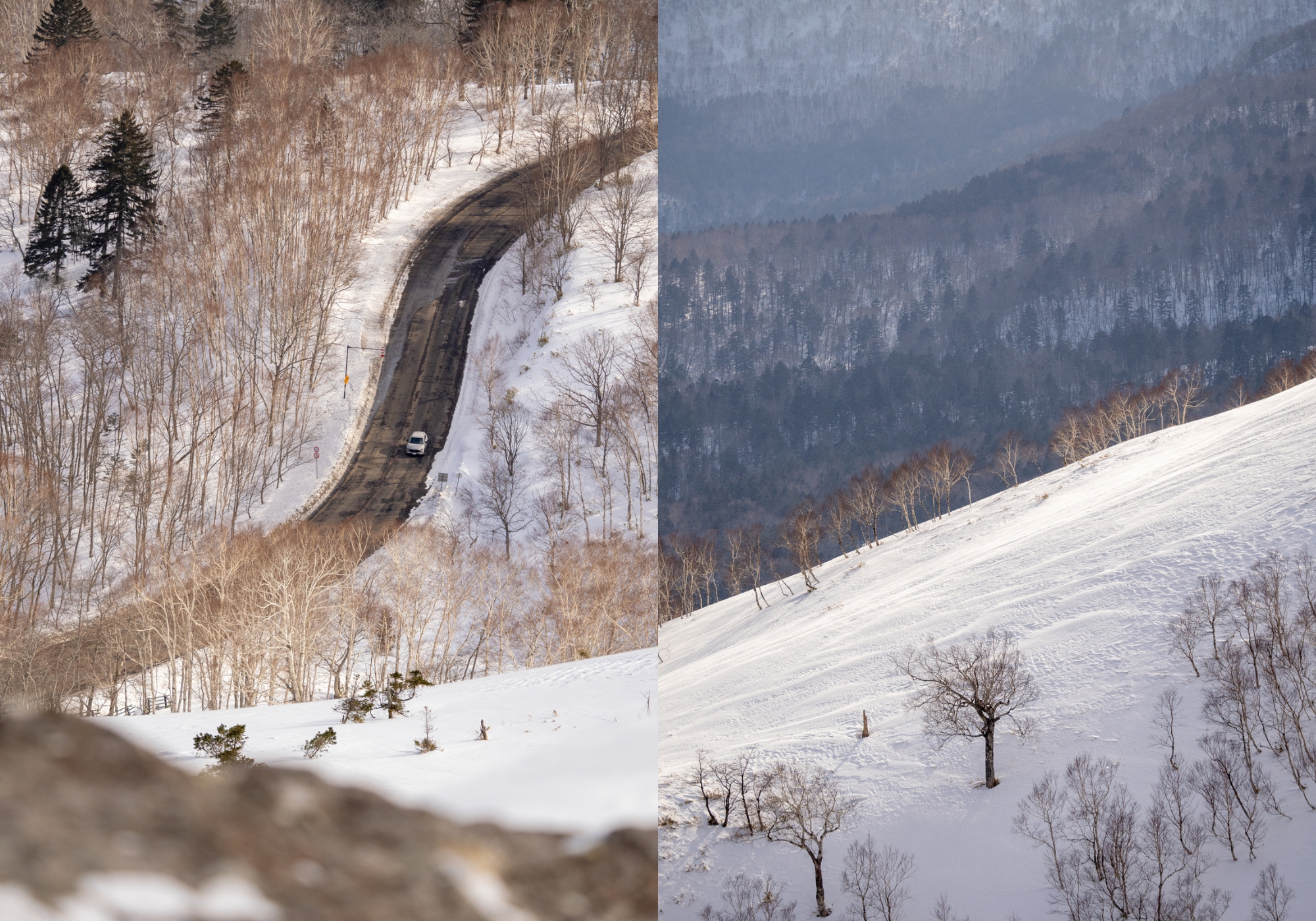
From the main lookout, it’s worth paying attention to the road itself as the curves cut through the snow-covered landscape, offering opportunities to work with leading lines, particularly when viewed from slightly elevated angles. Using a telephoto lens can also help isolate details within the wider scene, such as lone trees on distant hillsides or small sections of light moving across the terrain.
Wind can be strong at the lookout, particularly in winter, and conditions can change quickly, so it’s worth building a bit of flexibility into your schedule if you’re hoping for specific light.
What to look for:
- Layers of landscape partially obscured by cloud or snowfall
- Curving road lines leading through the scene
- Isolated details such as single trees or light across the hills
- Sections of light moving across the lake surface
Wakoto Peninsula
Extending into Lake Kussharo, Wakoto Peninsula is a quieter, more intimate location that’s easy to miss if you’re focused on the main viewpoints.
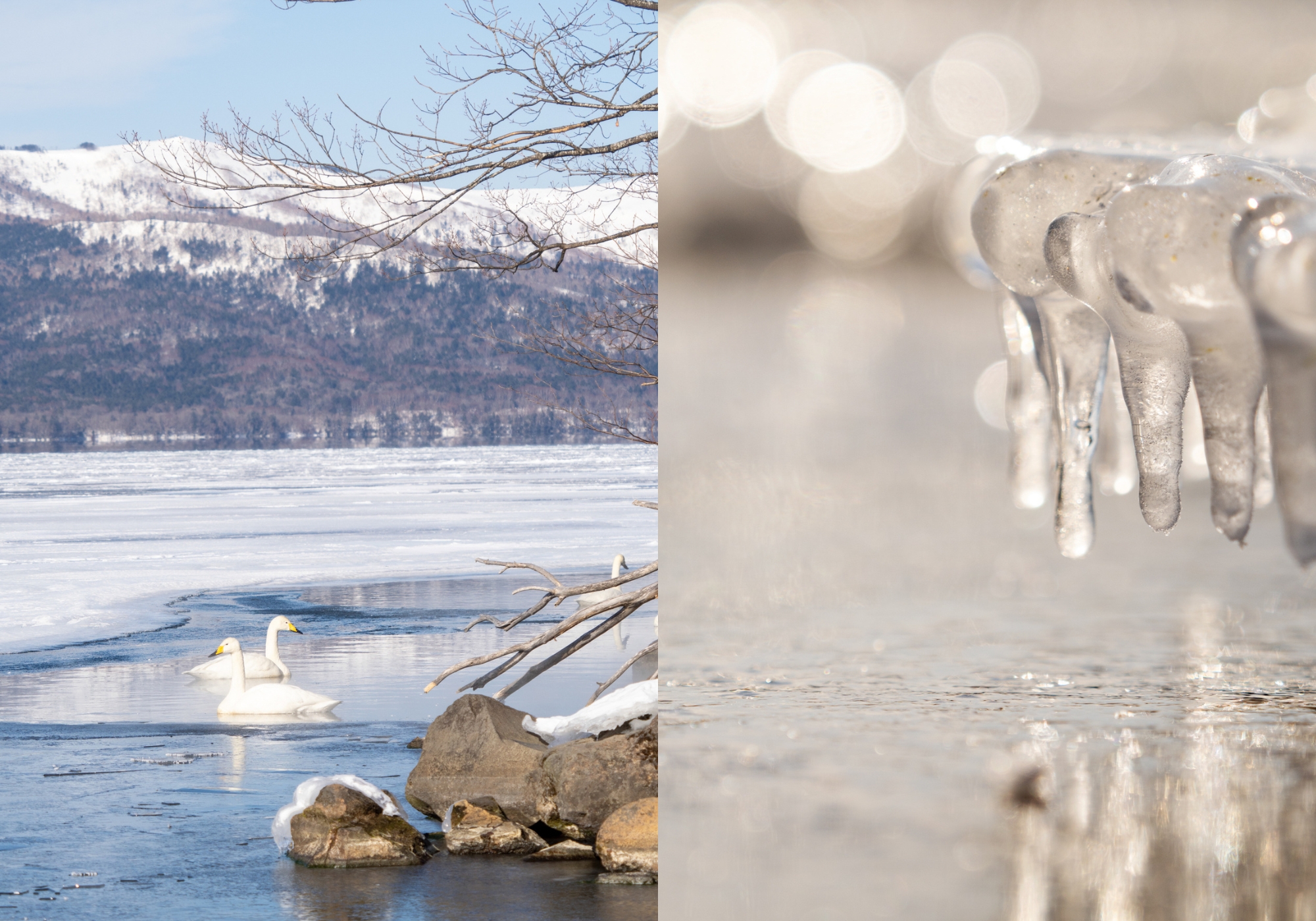
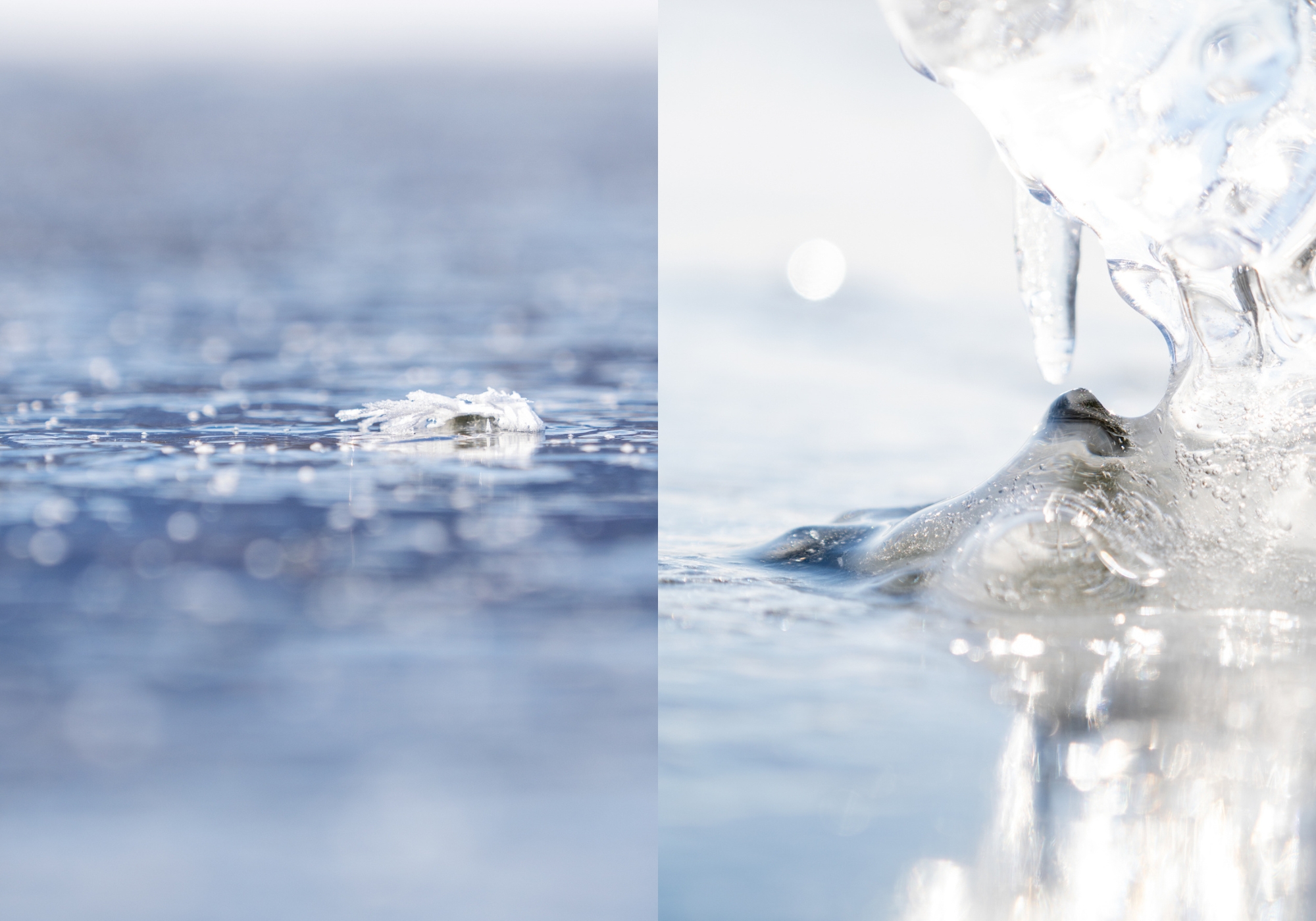
The landscape here is shaped by subtle geothermal activity, with small vents, warm patches of ground, and shifting textures beneath the snow. In colder conditions, you may also find delicate frost flowers forming along the shoreline, thin, crystalline formations that appear almost sculptural, often only lasting a short time before melting or breaking apart. Similar formations can occasionally be found around Lake Akan, though Wakoto tends to offer more opportunity to observe them up close as they extend out into the lake.
While overcast conditions can help reveal texture in the ground, sunlight adds a completely different quality, catching on frost flowers and icy edges along the shoreline, giving them a subtle sparkle and glow that’s easy to miss without direct light. Aim for a wide aperture to produce artistic results of the frozen textures and formations.
Wandering here also means being accompanied by the steady tapping of woodpeckers and the distant calls of whooper swans, adding a quiet, natural rhythm to the surroundings as you happily snap along the trails and shoreline.
What you can find:
- Patterns formed by melting snow around geothermal areas
- Frost flowers along the shoreline in colder conditions
- Textures where ice, water, and earth intersect
- Small-scale compositions that feel almost abstract
Mount Io
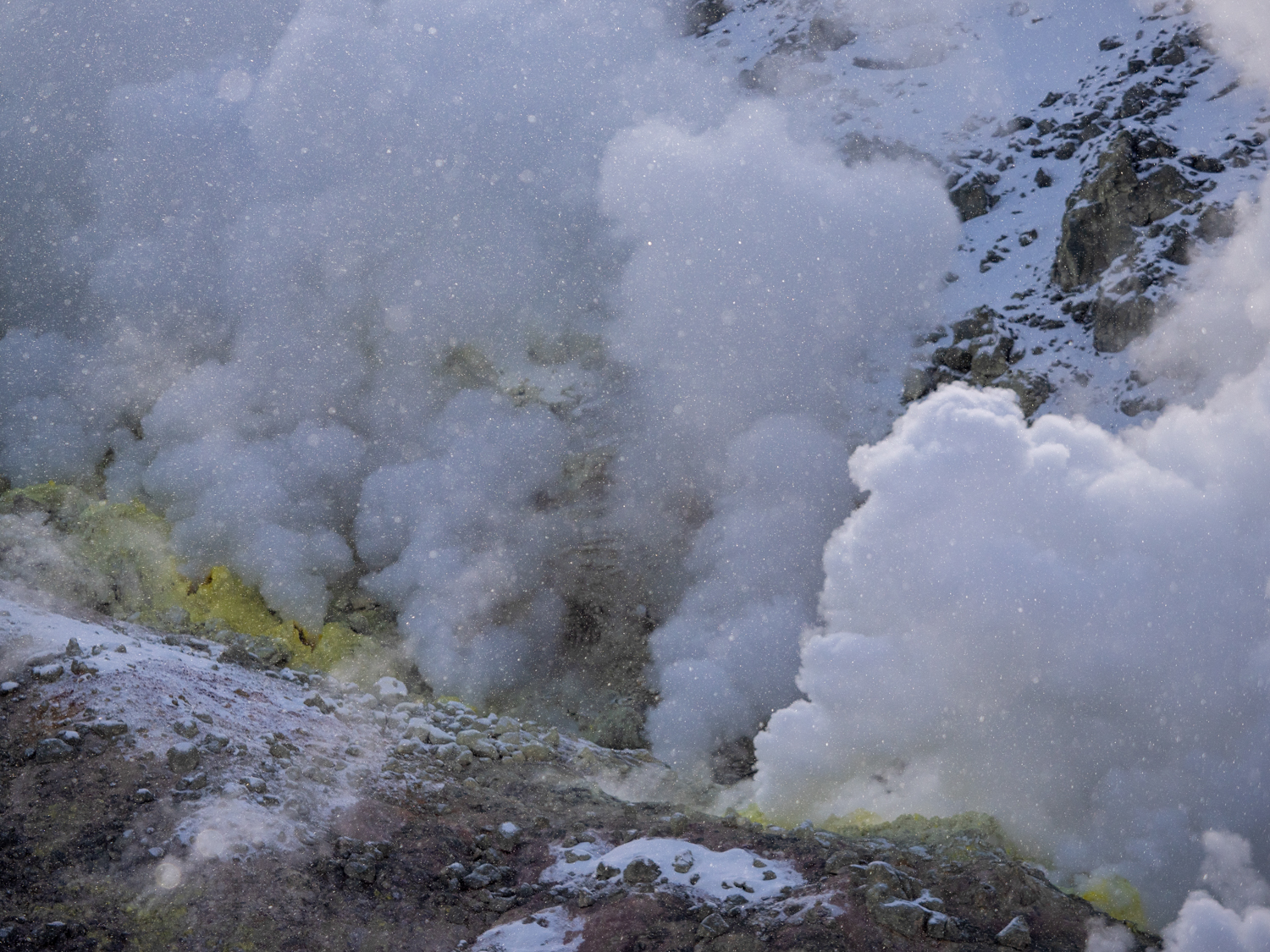
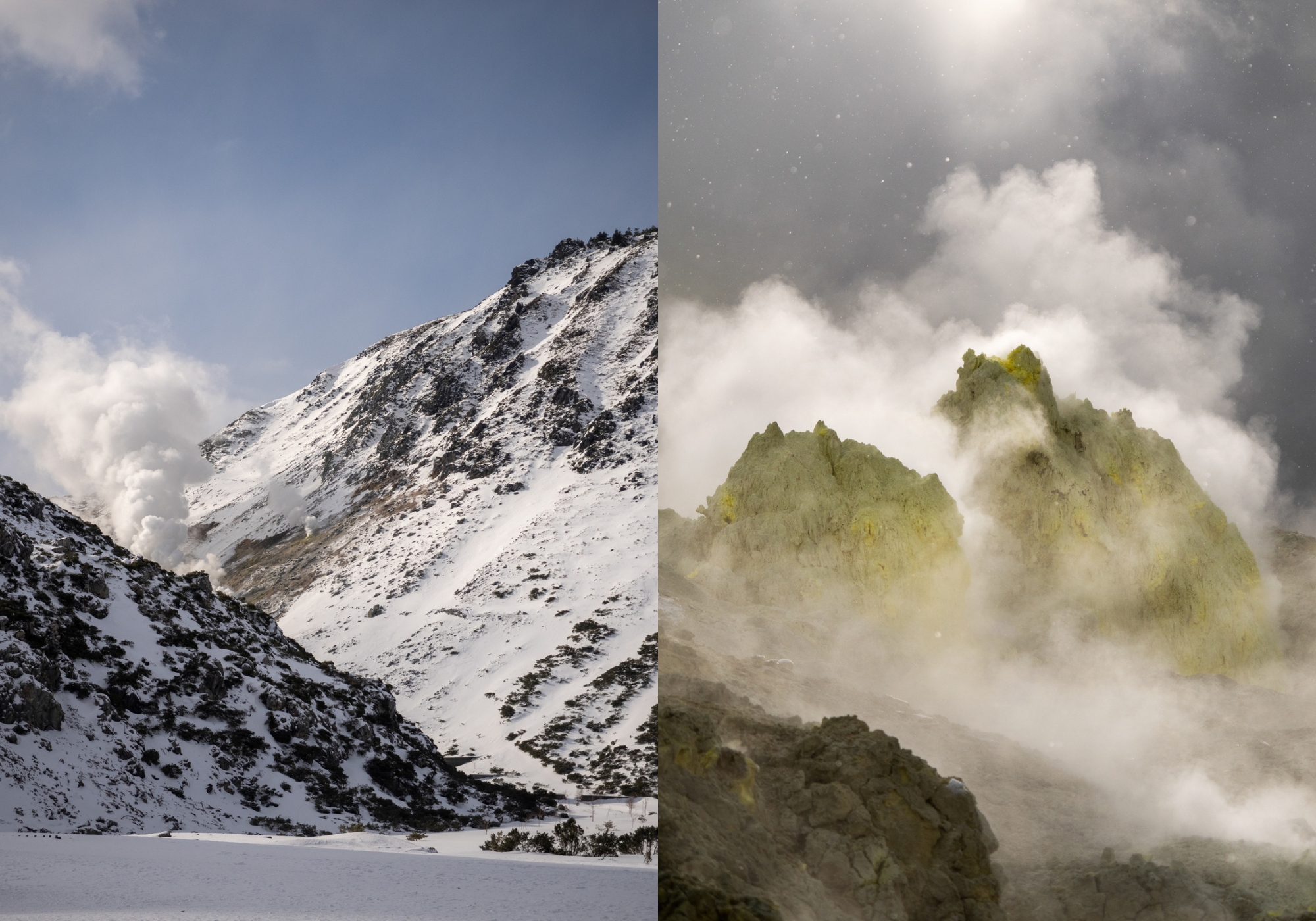
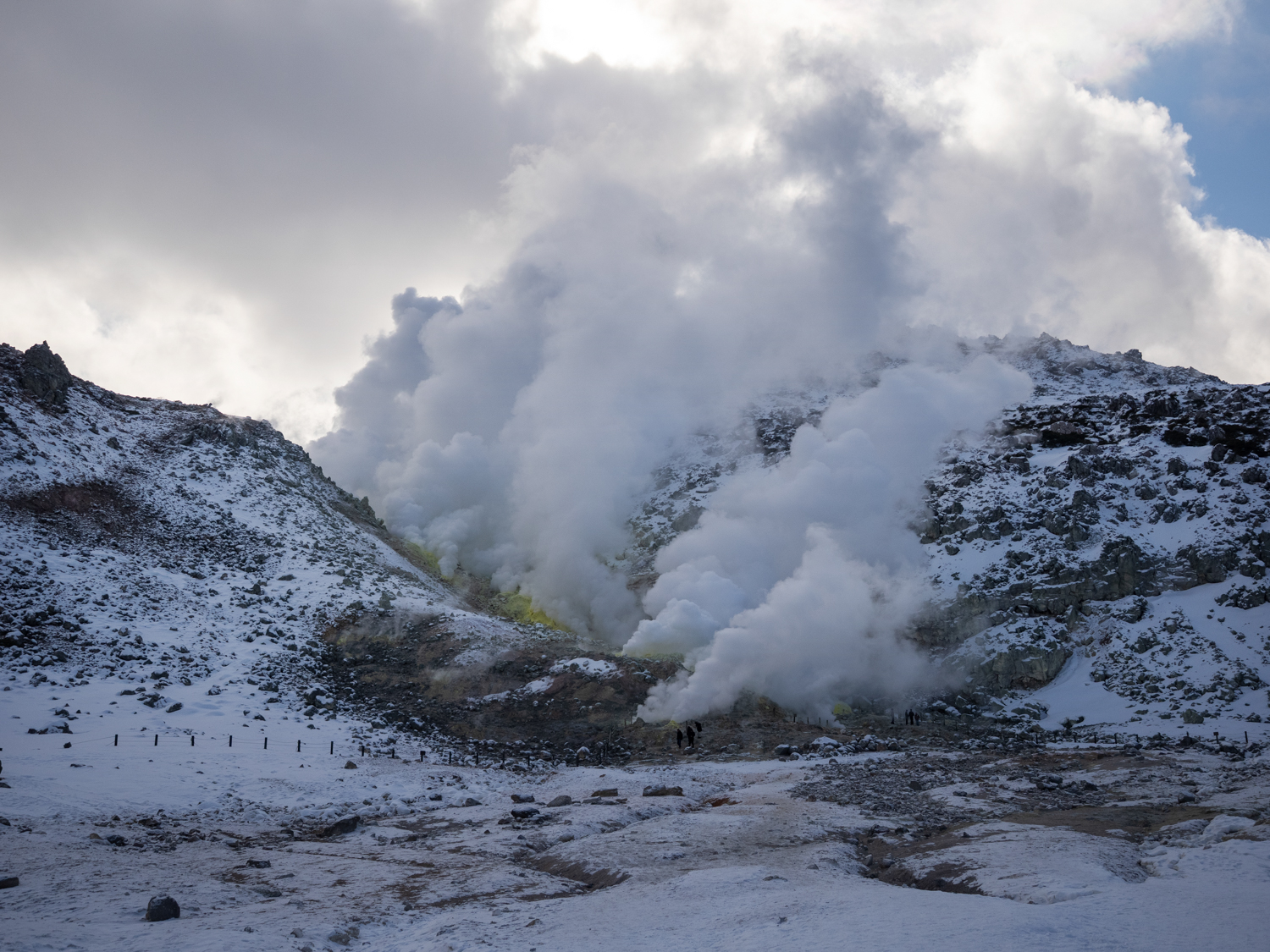
Located just outside the town of Kawayu Onsen, around 20 minutes from Lake Kussharo, Mount Io (Iozan) is one of the most visually distinct landscapes in eastern Hokkaido. The entire area is shaped by active volcanic activity, with sulphur vents releasing constant (quite intense) plumes of steam across a relatively open, exposed terrain.
In winter, the contrast becomes more pronounced. Snow settles across the ground, interrupted by streaks of yellow sulphur and dark volcanic rock, while steam rises in thick, shifting columns that can either obscure or reveal parts of the scene depending on the wind.
It’s a location that works well for both wider compositions and tighter, more abstract details, particularly if you take the time to move around the area rather than photographing from the main access point. While the smell can be quite off-putting, if you’re a fan of working with texture and tone, this location will keep you occupied for as long as you can handle the sounds and sulphur!
Be on the look out for:
- Steam interacting with light and wind direction
- Strong colour contrast between snow, sulphur, and rock
- Abstract patterns within the ground textures
Shiretoko Peninsula
The Shiretoko Peninsula sits on the northeastern edge of Hokkaido and feels noticeably more remote than the rest of the region. From Lake Kussharo, it’s roughly a 2 to 2.5-hour drive to Utoro, the main township on the western side of the peninsula with direct access to the UNESCO World Heritage Shiretoko National Park.
On our arrival, we were greeted with sunshine and a sea filled with drift ice, waves gently washing ashore, and that instant feeling of awe that’s hard to describe until you see it for yourself. Utoro provides access to a range of locations, including the Shiretoko Five Lakes and coastal viewpoints, while Rausu on the opposite side is known for wildlife encounters, particularly sea eagles. Read about Photographing the Steller’s Sea Eagle in Rausu here.
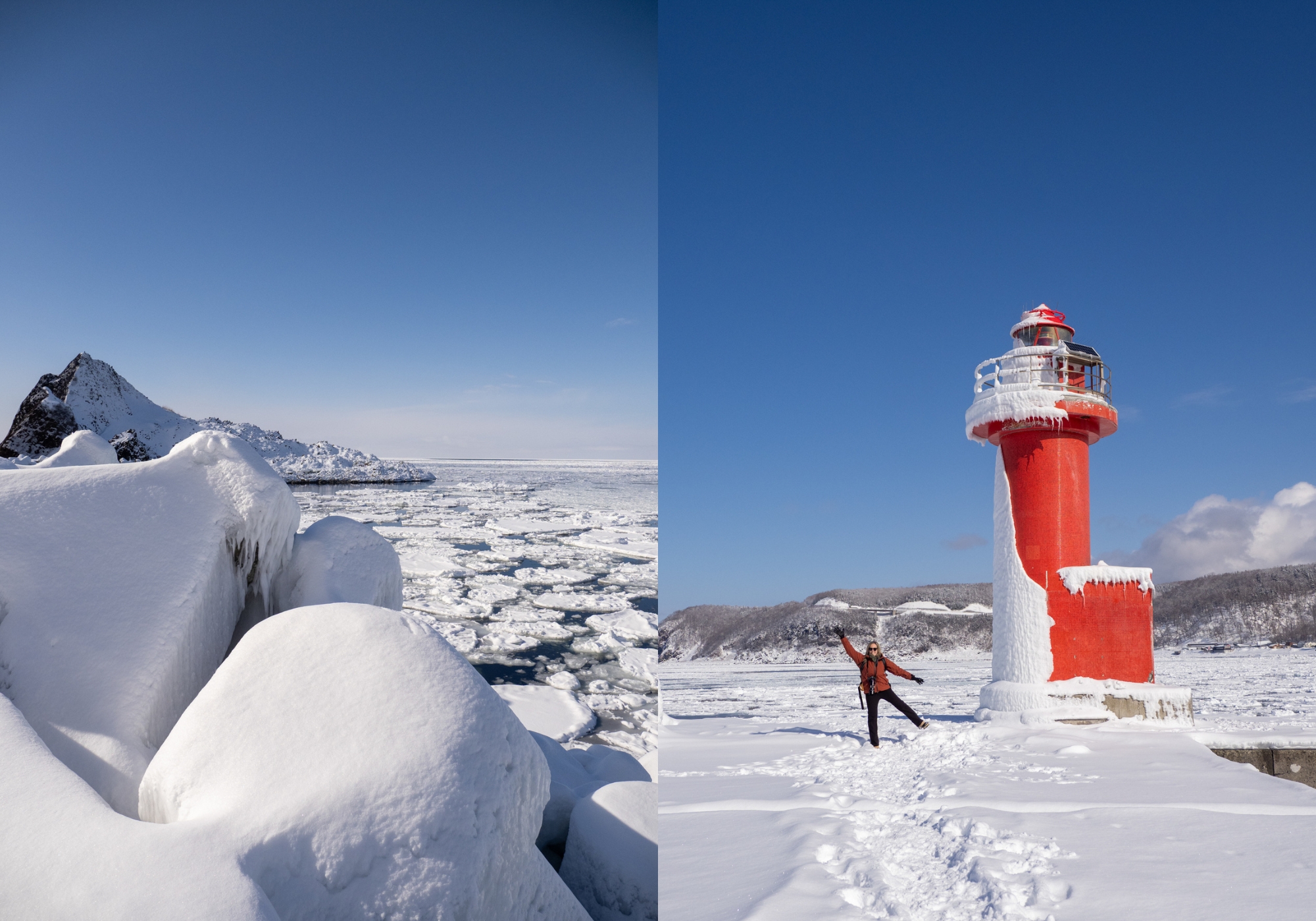
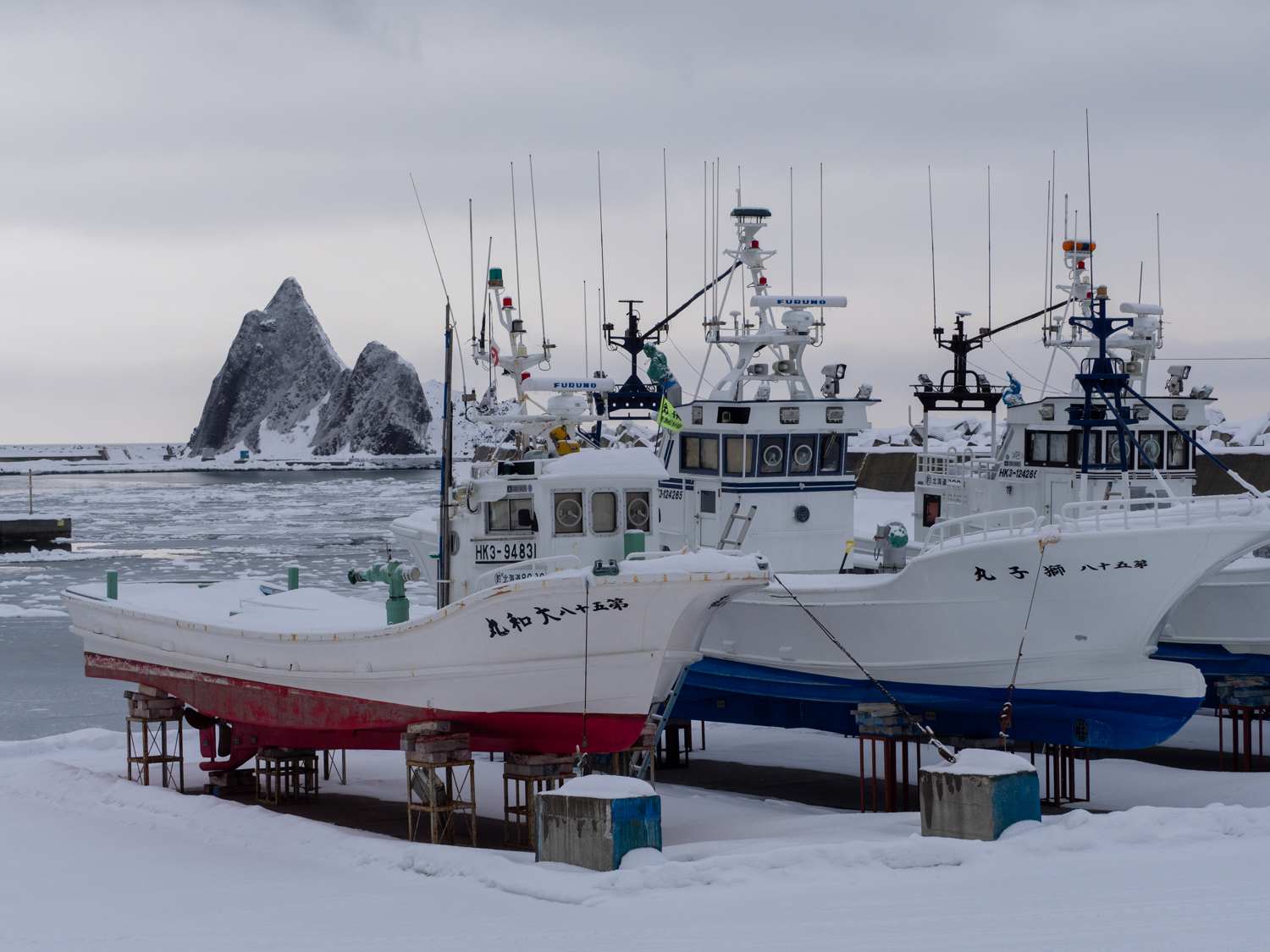
The peninsula sees forest give way to coastline, mountains rise more abruptly, and in winter, drift ice begins to form along the Sea of Okhotsk, a spectacular sight to see and photograph. If you can get up to the Cape Puyuni Observation Deck, it’s a wonderful spot to watch the sun setting over a sea of ice, although you likely won’t be alone, so I’d also recommend exploring around the port with Oronko Rock and the Utoro Port North Breakwater Lighthouse providing great vantage points and photography opportunities.
The conditions can be harsher here, with stronger winds and more exposure, but the photographic opportunities are equally rewarding. The national park access provides endless possibilities for landscape photographers; however, Shiretoko is also one of Japan’s most significant wildlife regions, with a healthy population of brown bears, so it’s important to remain aware of your surroundings. When exploring within the national park, it’s best to stick to marked trails or join a guided experience.
I went snowshoeing with Alku Shiretoko on their Shiretoko Five Lakes walk, which allowed access to areas I wouldn’t have been permitted to explore independently (in winter), and the chance to learn interesting facts about the landscape and wildlife from our experienced guide Yuji Taniguchi.
The trail to Furepe no taki Falls begins at the Shiretoko Nature Park Center, where you can hire snow shoes, meet a guide, or wander solo along the marked trail. Again, bears are seen here, so check their noticeboard for any recent sightings. The views of the frozen waterfall in winter, dramatic cliffs and drift ice are nothing short of stunning, awe-inspiring…every descriptive word that relates to ‘wow’ is relevant here. While the waterfall is frozen, you can hear the trickle of it falling behind still, and the sound of waves echoing up the rock walls makes for a very immersive experience in nature.
Read about Drift Ice Swimming here, an experience I wholeheartedly recommend! And yes, it’s chilly.
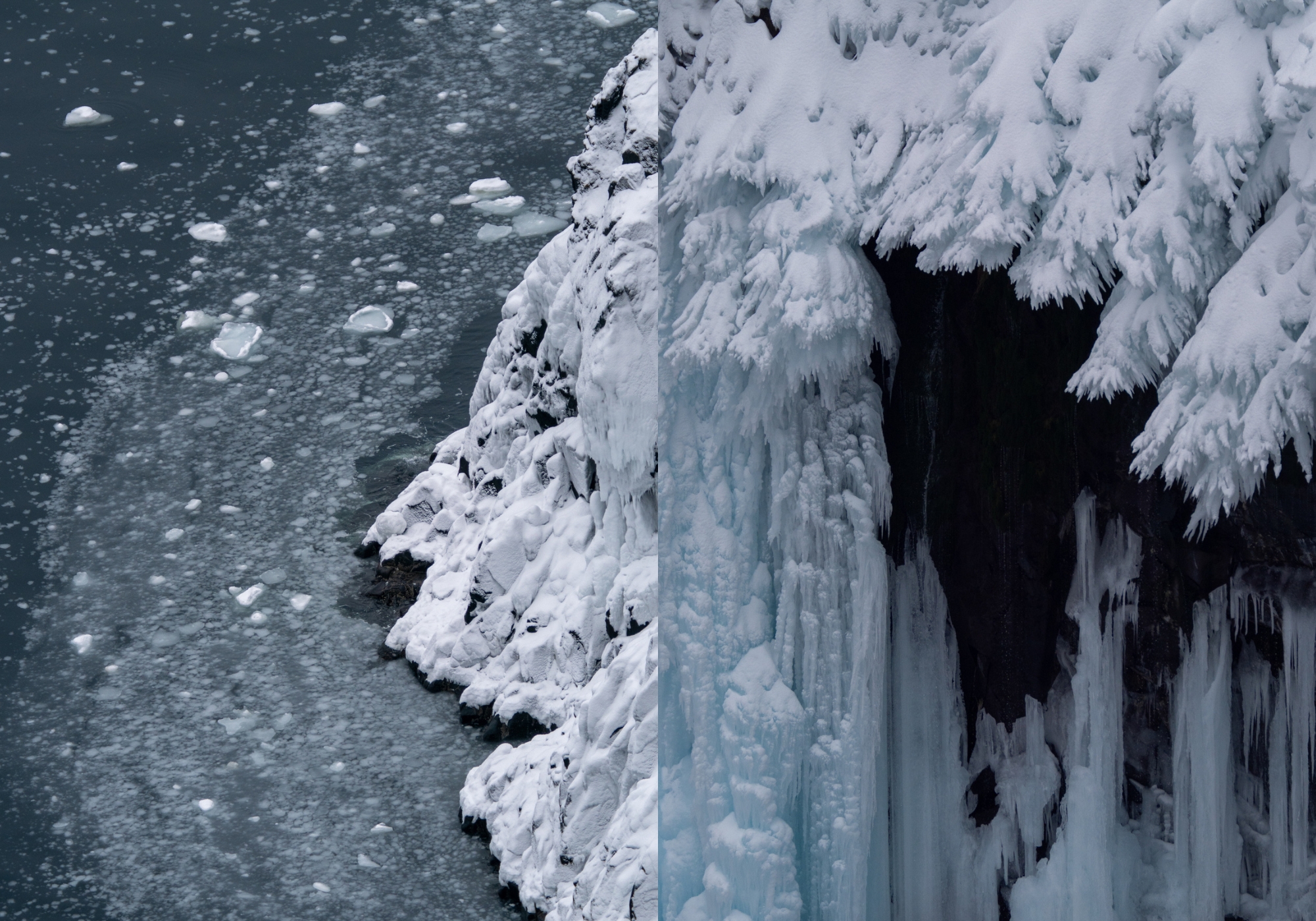
Given the distances and conditions, it’s worth allowing at least a couple of days to explore the peninsula properly rather than treating it as a quick stop. If you’re visiting in winter and want to visit both Utoro and Rausu, note that the Rausu Pass is closed during the winter months, so a detour back toward Shari and along Route 244 is required, before joining the coastal ride on the southern side of the peninsula back to Rausu. In summer it’s easier to connect between the two coastlines.
If you’re opting for the sunrise cruise to photograph the Steller’s Sea Eagle, I’d strongly recommend staying the night prior in Rausu. We stayed at Shiretoko Serai, which was lovely, clean, and cosy + within walking distance to the boat’s departure point. I’ll publish a separate article about this experience shortly, because it’s something I know most photographer’s are visiting the region for!
What to Photograph:
- Drift ice patterns along the coastline
- Snow-covered forests and mountain backdrops
- Wildlife, particularly eagles and deer within the landscape
- Possibly bears! Depending on when you visit, they may be starting to wander the forest trails, particularly as March begins.
Where to Stay in Utoro? I opted for a room at KIKI Shiretoko, and it was such an ideal base for exploring. While you do have to walk up and down the hill into the main town, there is a shuttle bus, but I loved wandering slowly, keeping my eyes peeled for Shima-enaga, and having no time restrictions, staying out til dark to watch the drift ice at the port and do a little 7-11 shop before returning to the hotel. The rooms at KIKI were our favourite of the entire trip, designed to connect with the outdoors through tone, texture and space, with views over the sea greeting us each morning as we checked the ice conditions.
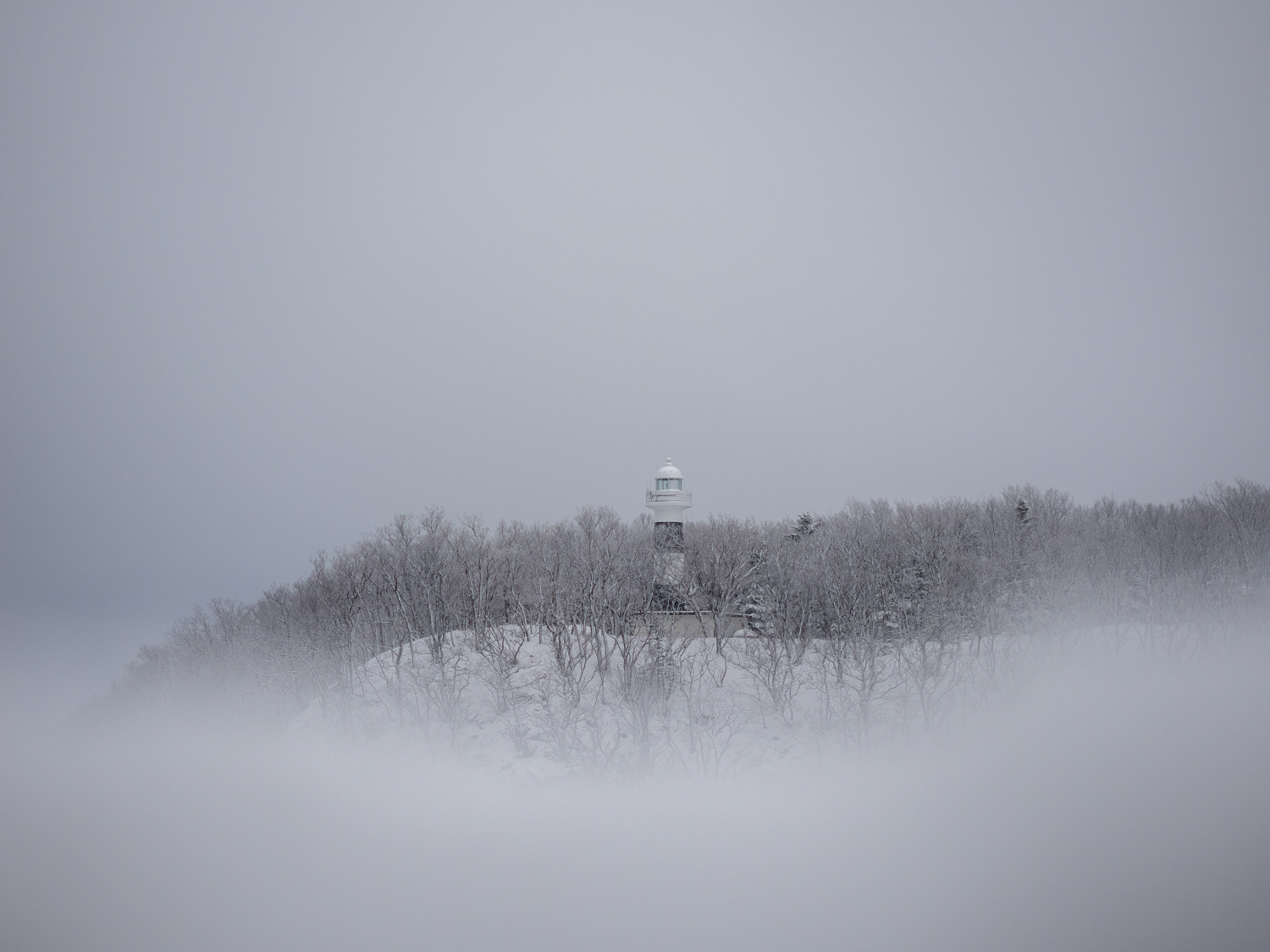
Notsuke Peninsula
Stretching out into the Nemuro Strait, the Notsuke Peninsula is one of the more unusual landscapes in eastern Hokkaido. It’s located around 1.5 hours from Rausu, making it an easy addition when exploring the eastern side of the Shiretoko region, particularly if you’re flying in or out of Nem.
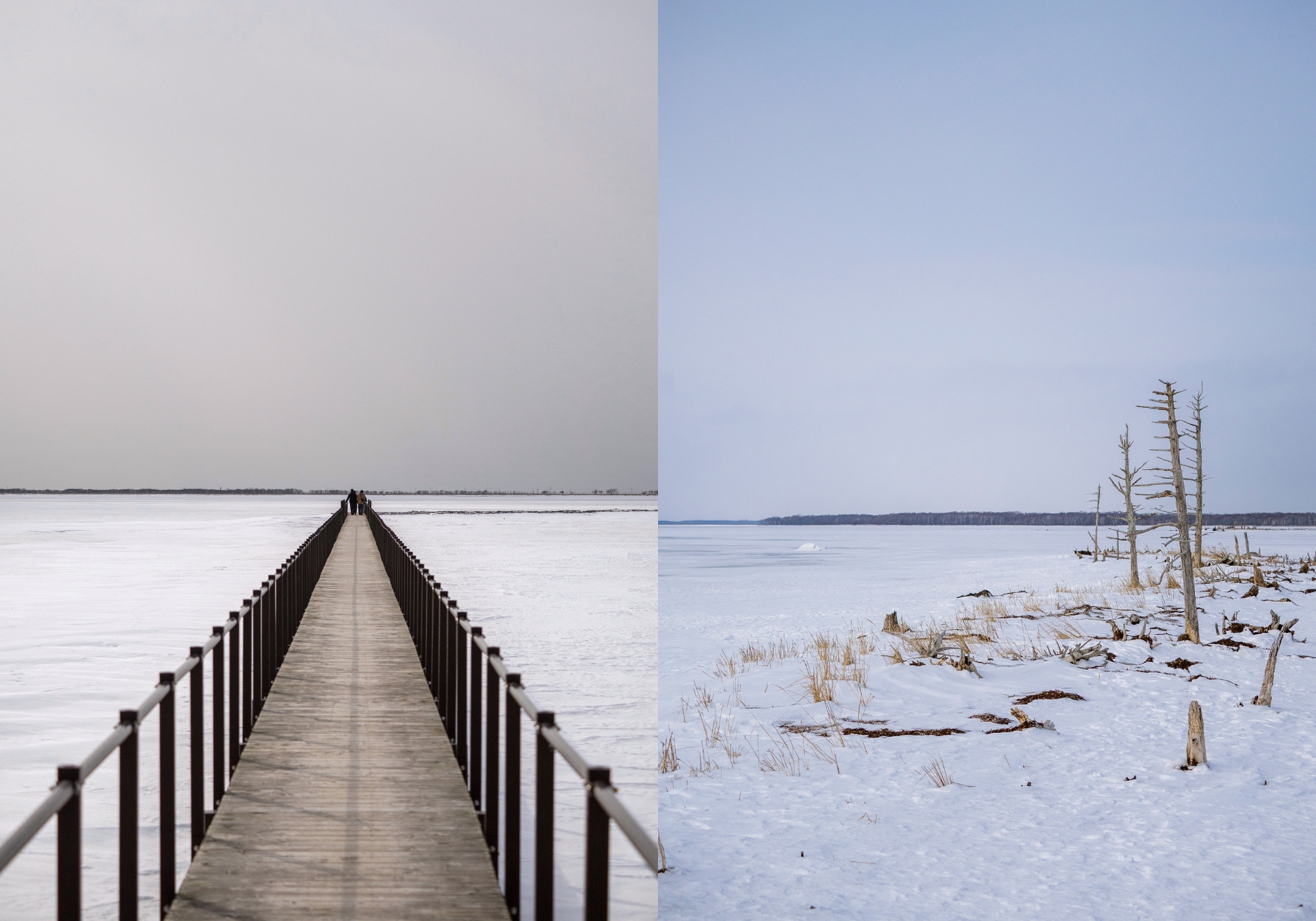
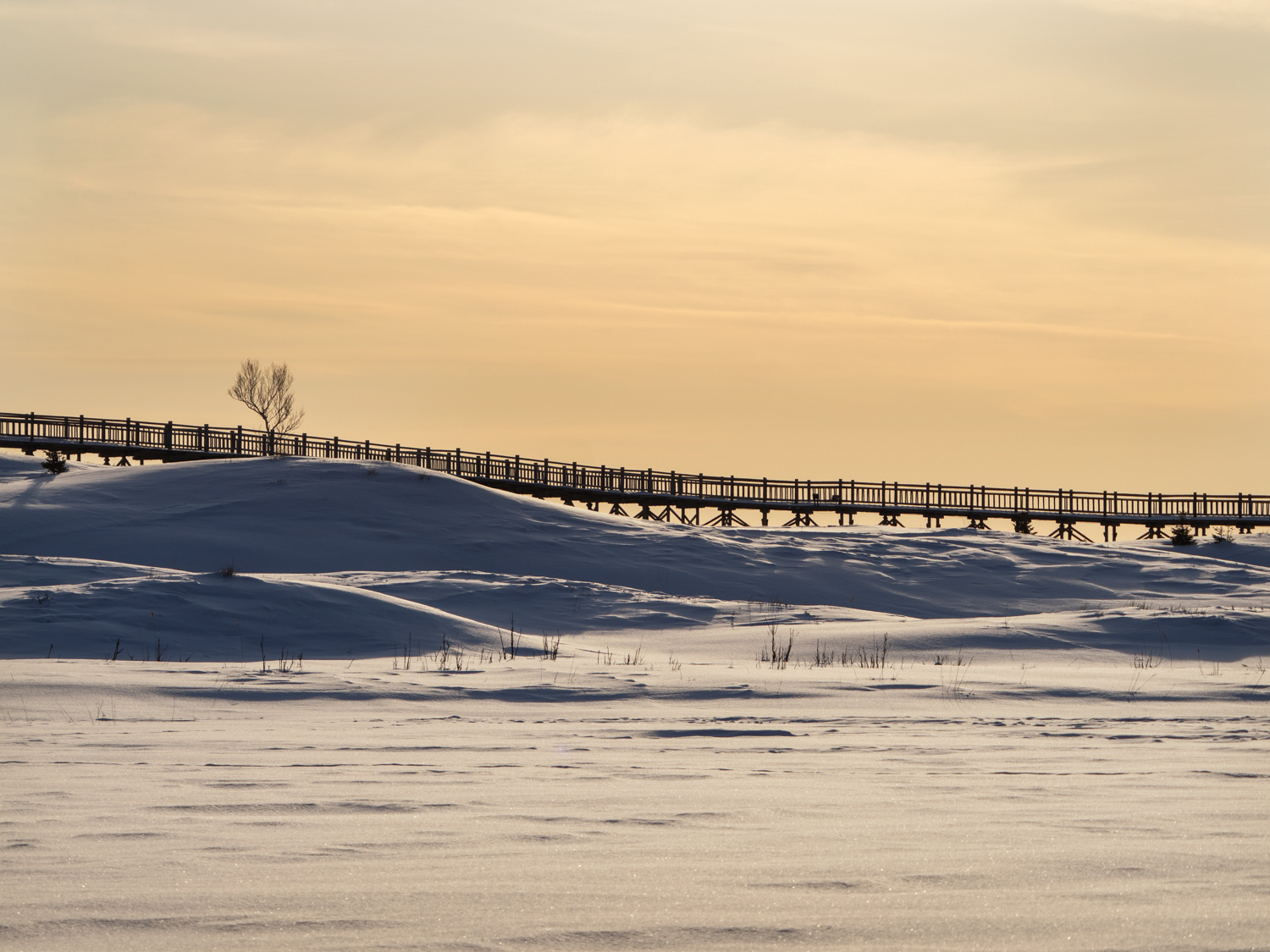
Before arriving, be sure to view it on Google Maps or browse the Visit Hokkaido site which has some aerial images. It’s such a unique land formation! The peninsula is long, narrow, and largely flat, with wide open views in almost every direction, sea on one side, frozen shallows on the other. In winter, snow covers the ground almost entirely, leaving only remnants of trees and structures exposed, often referred to as the “ghost forest.” One of the easiest ways to access this area is via the boardwalk at Todowara, which leads you out through the skeletal remains of the forest and into the wider landscape beyond.
It’s a stark environment, and that simplicity is what makes it so photogenic. There’s very little to distract from your subject, whether that’s a lone tree, a group of deer, eagles, or the subtle curve of the landscape leading out toward the sea. Along the shoreline, you’ll also notice fishing ropes and buoys scattered across the snow, and this is where you may have a higher chance of spotting foxes moving between them, offering a different kind of wildlife encounter compared to other parts of the region. *just to note, I only had a short visit here so had to be ok with seeing the foxes from the car, and plan to venture back in February 2027 to photograph them at sunrise, so will update this guide then with more imagery 🙂
What to look for:
- Deer moving across open snow-covered plains
- Isolated trees and remnants within the “ghost forest”
- Foxes along the shoreline near ropes and buoys
- Leading lines created by the shape of the peninsula
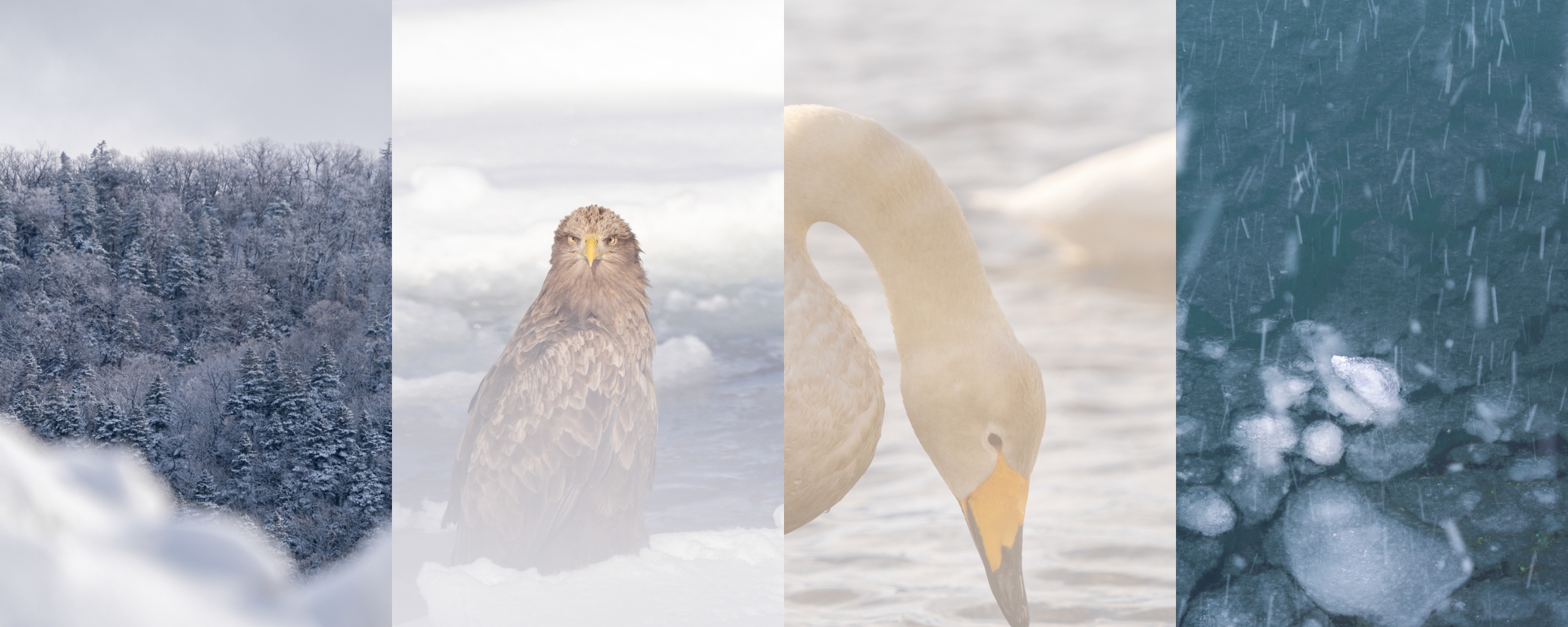
Winter in eastern Hokkaido isn’t about moving quickly between locations or trying to cover everything in a single visit. Distances are manageable, but conditions, light, and wildlife all require time, so I’d recommend planning for at least two nights in each location to soak up the sunrises, sunsets, and plenty of time wandering through forest trails and along shorelines.
It’s often worth revisiting locations, adjusting plans based on weather, and allowing space for moments that aren’t on the itinerary. Some of the most interesting scenes happen when conditions shift, whether that’s steam building at sunrise, snowfall simplifying a landscape, or wildlife appearing briefly within an otherwise still environment.
One of my favourite moments was when a snowstorm and wild winds swept through as we were walking on the Bokke Nature Trail. Moments before, there were birds singing, even their little wings fluttering could be heard it was so calm, then suddenly the wind sounded like a jet engine roaring through the trees, bringing with it a huge dumping of snow that instantly transformed the scene, utter magic, especially if you’re wearing the right gear and can stay warm and safe!
A big thank you to my friends at Eastern Hokkaido DMO for sharing their region with me. If you’d like to see videos from the region, Abe shares his adventures on Youtube here. They’re in Japanese, but a rough English translation is possible.
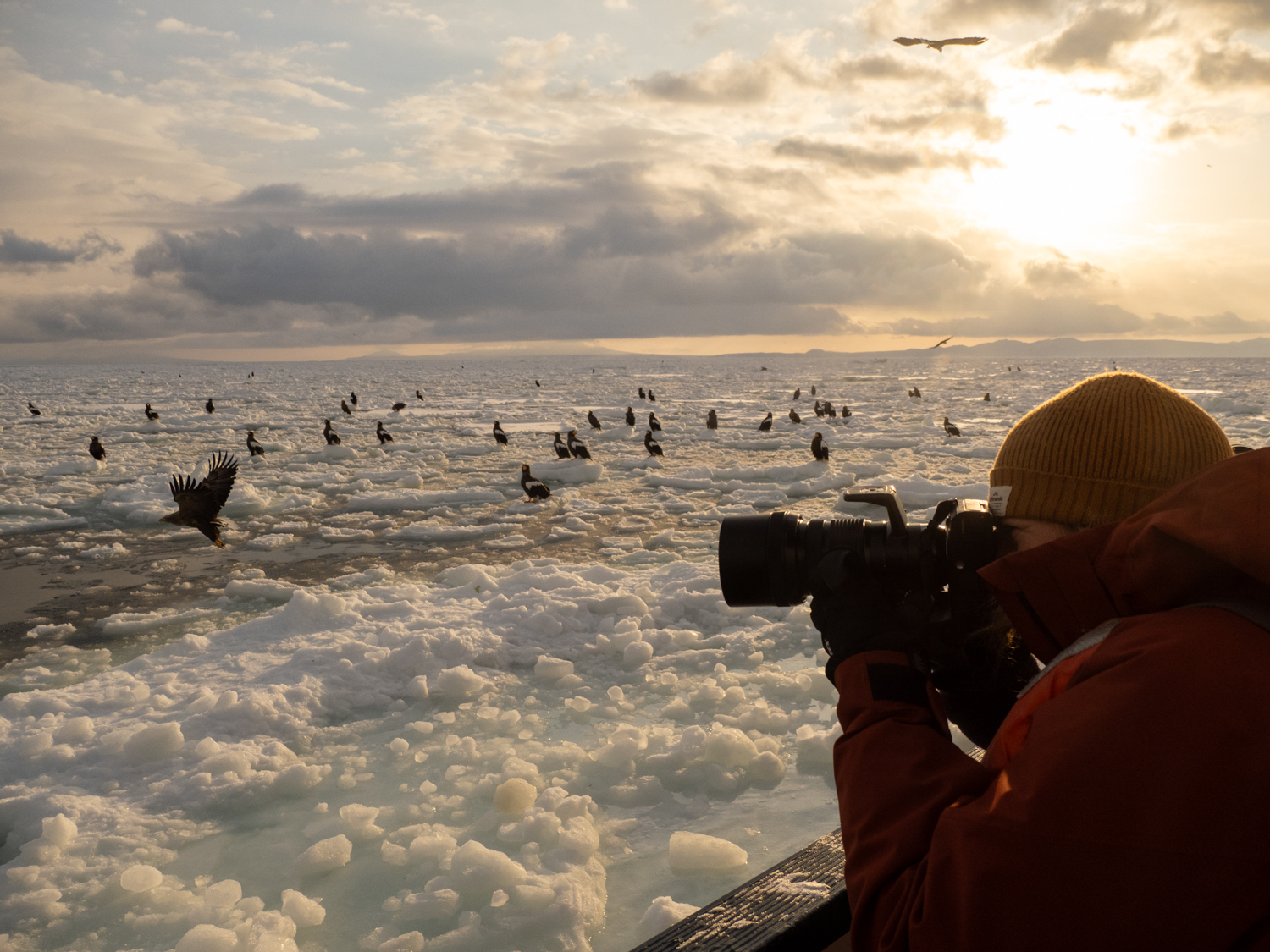
Hello! I’m the founder and photographer behind The Wandering Lens.
With 19+yrs experience as a professional travel and landscape photographer, all advice found on this site is from my personal experience, or that of contributors, on the road. I hope it’s useful for your own travels and would love to hear in the comments about your trips and experiences around the world.
Leave a Comment