
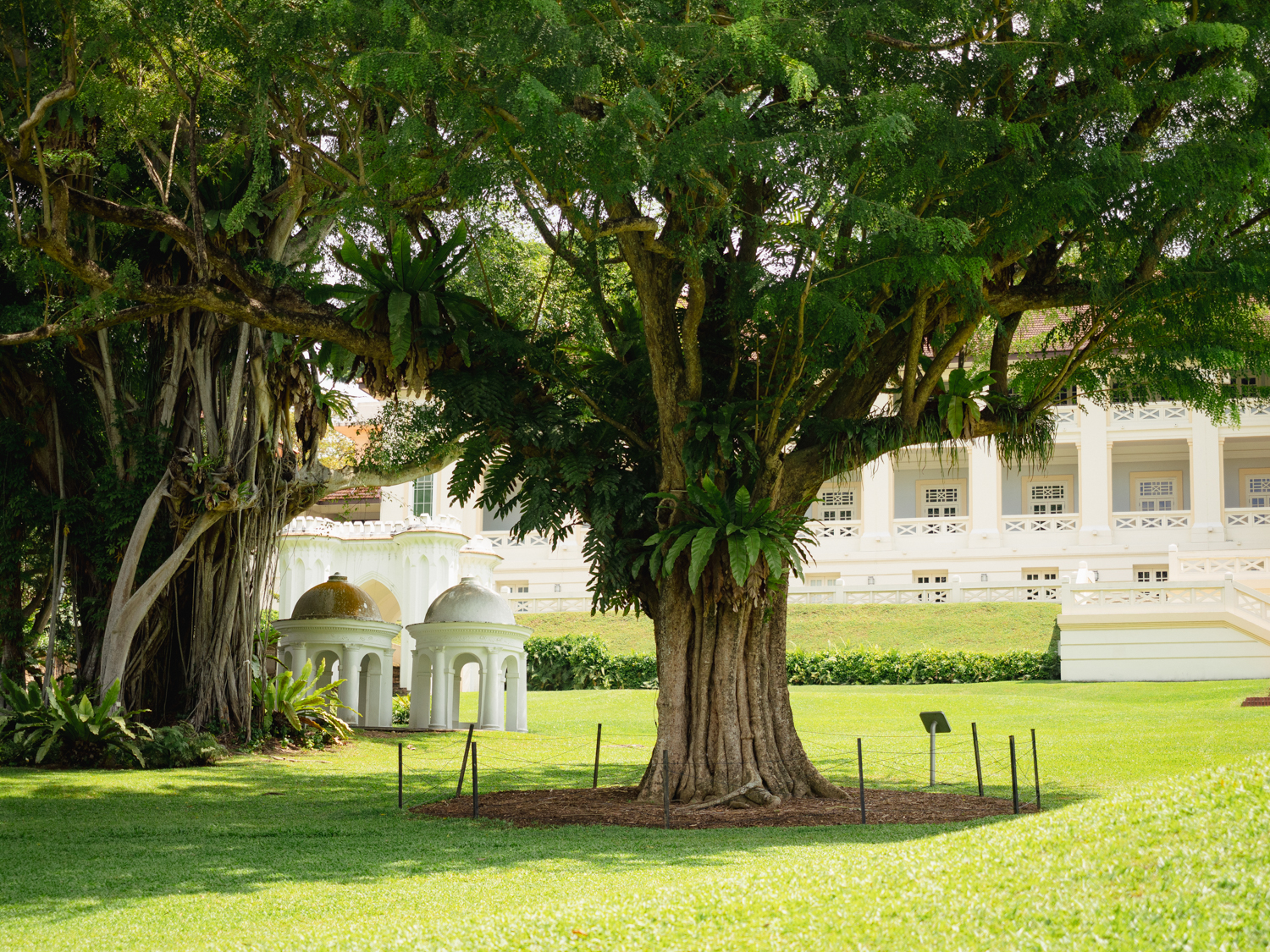
There’s a smell in the air once you land at Changi Airport, for me, it represents the blend of humidity and tropical landscapes. It smells ‘green‘, I guess, and I’m always so excited to see the lush foliage along the ECP into the city.
For photographers visiting Singapore, the green spaces and environments are worth exploring in addition to the key sites, especially early in the morning before that heat takes hold. From elevated forest walks and tropical gardens to indoor waterfalls and UNESCO-listed parklands, nature isn’t confined to the outskirts, it’s woven into the city’s identity.
In most of the green spaces noted in this guide, architecture and nature exist in harmony, making each location ideal for landscape lovers, and photographers who enjoy incorporating a sprinkle of history and culture too.
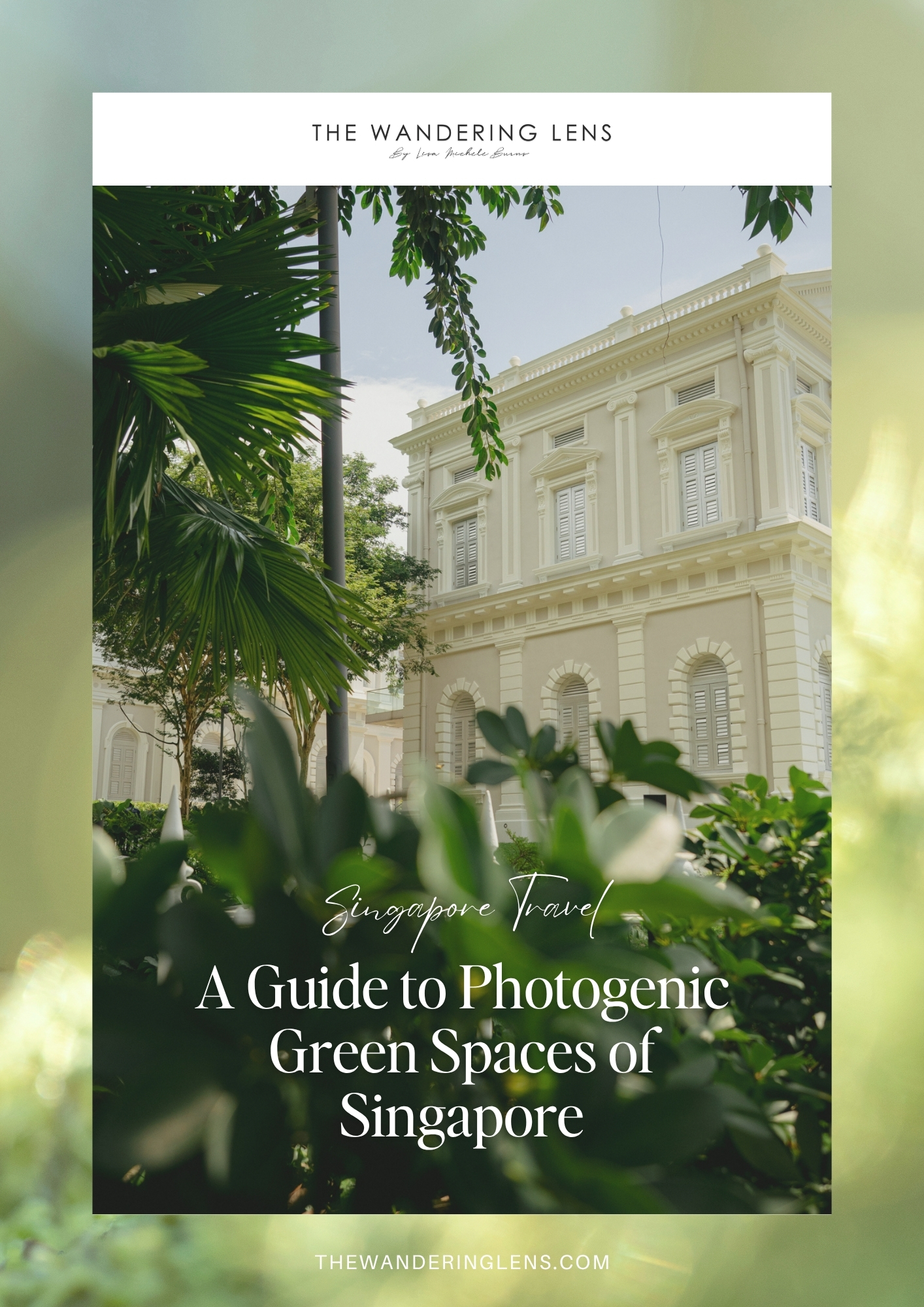
Cloud Forest – A Walk Through the Clouds
Stepping inside the Cloud Forest at Gardens by the Bay feels like entering another world. A towering indoor waterfall tumbles through a lush landscape of orchids, ferns and moss-covered cliffs, while elevated walkways wind through the mist, offering constantly changing perspectives.
It’s a fascinating place to photograph, with shifting light, drifting mist and layers of tropical planting creating new compositions around every corner. Rather than rushing through, take your time and allow the atmosphere to change as you explore.
Photography Tips
- Bring a microfibre cloth, as lenses can fog when moving between the humid conservatory and Singapore’s outdoor temperatures.
- A wide-angle lens works well for the waterfall, while a mid-range zoom is ideal for capturing details within the gardens.
- Pause on the elevated walkways to photograph the layers of vegetation disappearing into the mist.
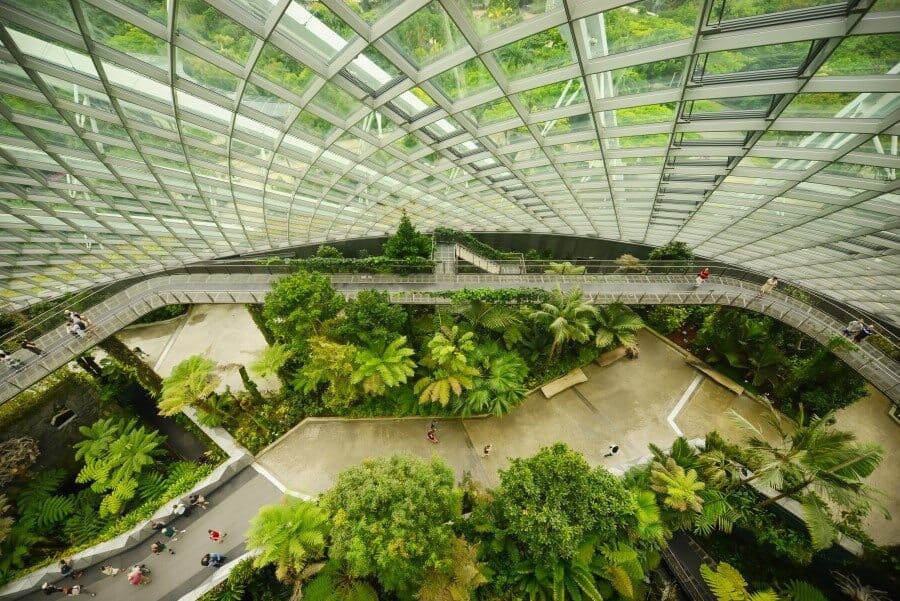
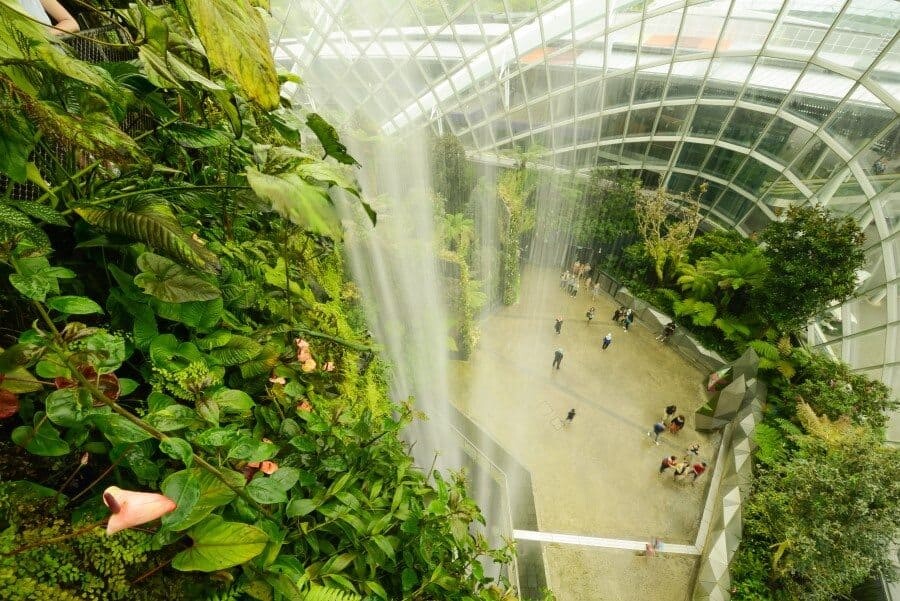
Gardens by the Bay – Gardens Designed for the Future
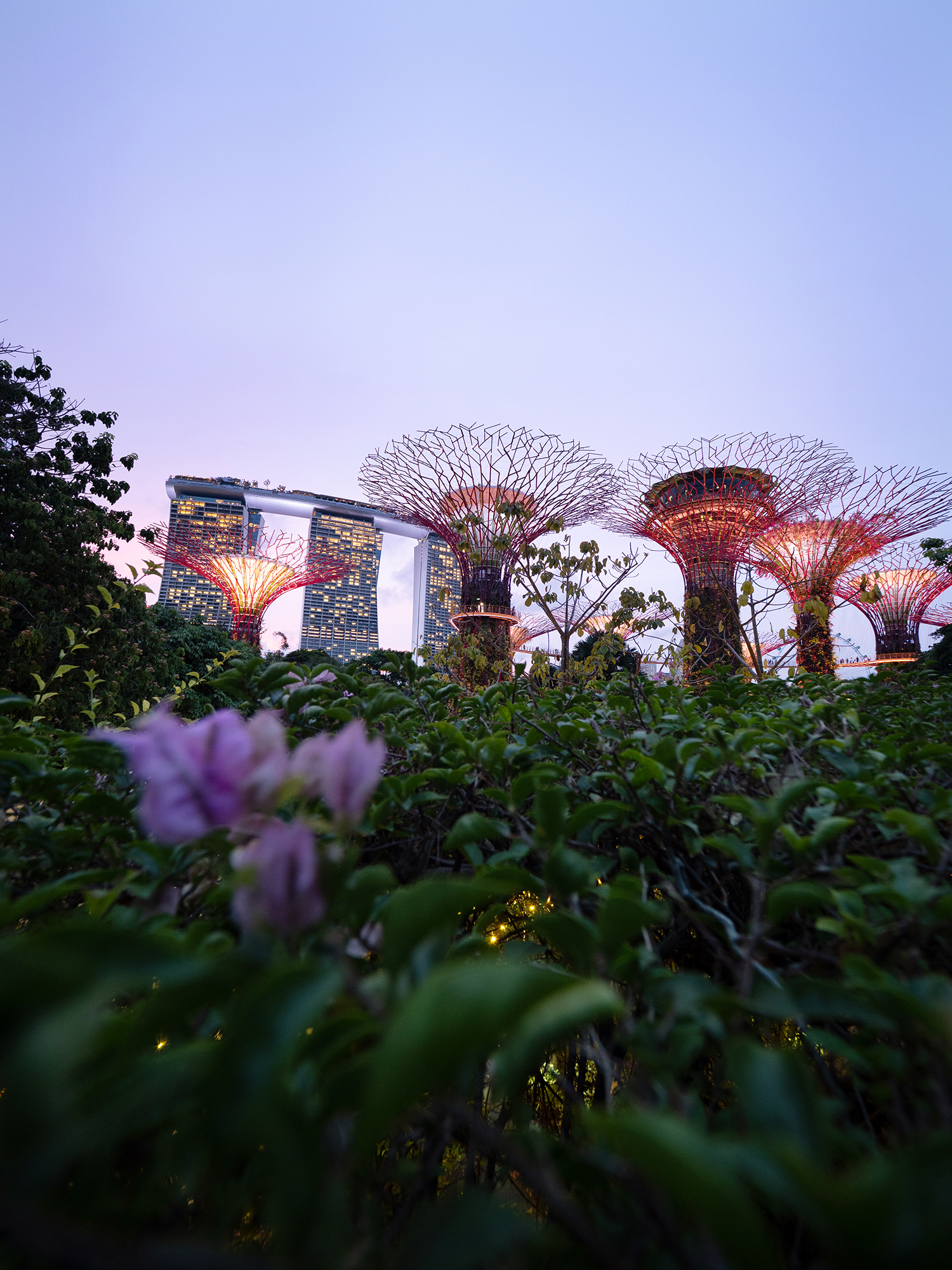
While the Supertrees are undoubtedly the stars of Gardens by the Bay, there’s far more to discover beyond the famous skyline views. Winding pathways, themed gardens and peaceful lakes create opportunities to slow down and explore between the larger attractions.
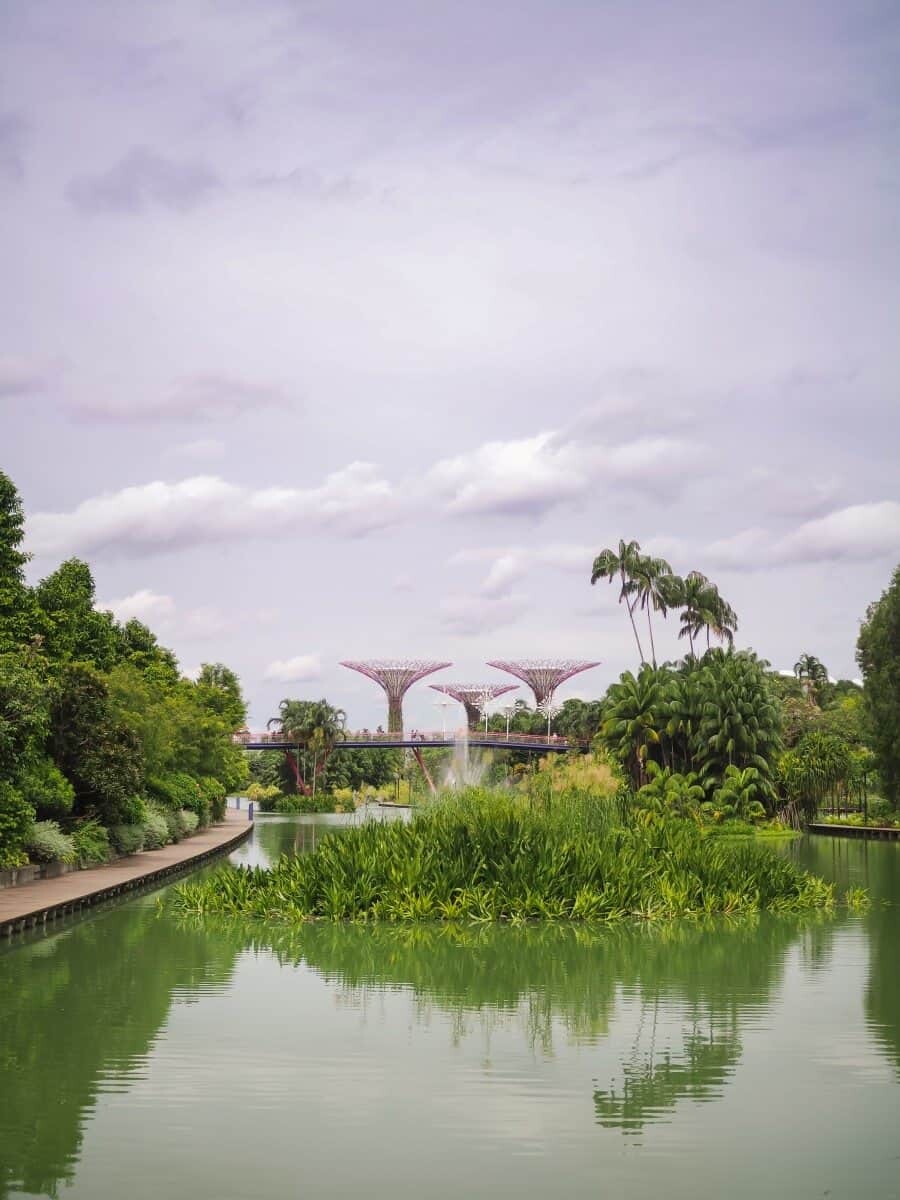
Dragonfly Lake is one of my favourite spots, particularly in the late afternoon when reflections begin to appear across the water. From here, you can photograph the Supertrees framed by tropical planting before staying into blue hour as the gardens transform beneath the evening lights.
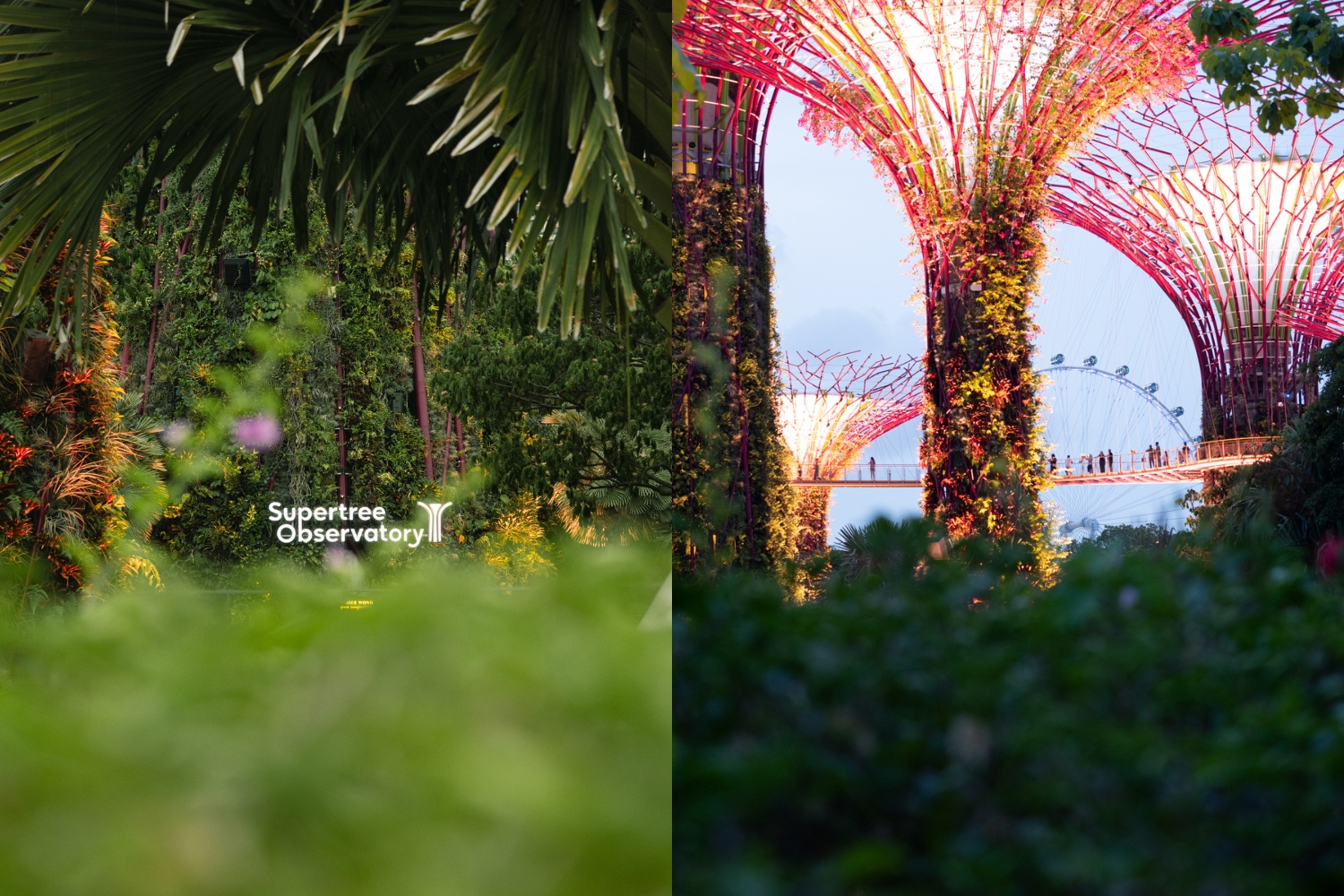
As the evening light show begins, there’s a walkway on the eastern side of Supertree Grove that’s slightly elevated and offers beautiful views away from the crowds below. But I do also suggest getting amongst the and photographing from directly underneath, it’s such an immersive atmosphere.
Photography Tips
- Visit from late afternoon into the evening.
- Walk beyond the main Supertree Grove to discover quieter gardens.
- Look for reflections in Dragonfly Lake and Kingfisher Lake.
Singapore Botanic Gardens – Singapore’s Living Heritage
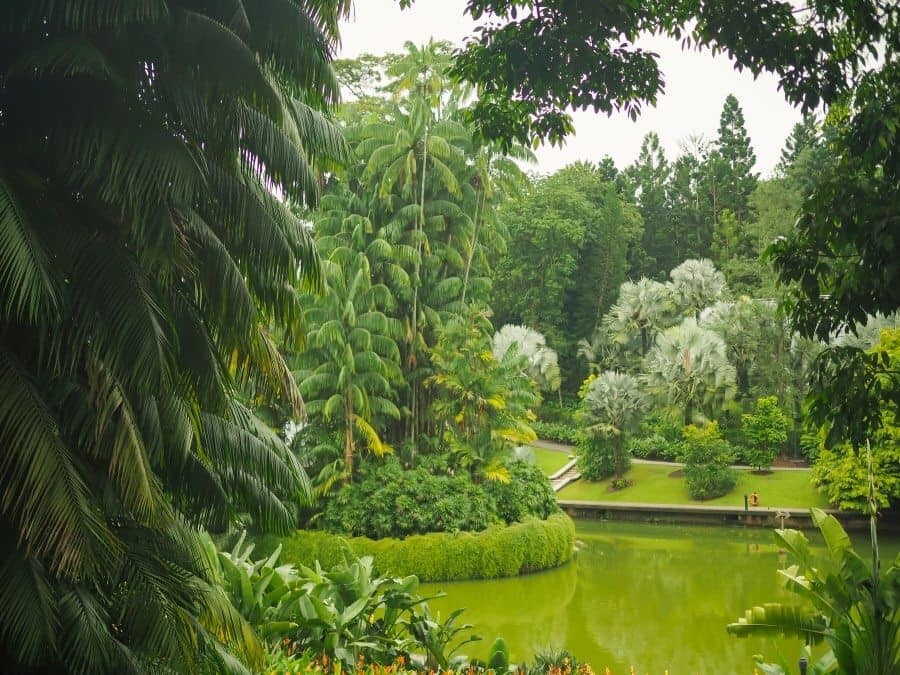
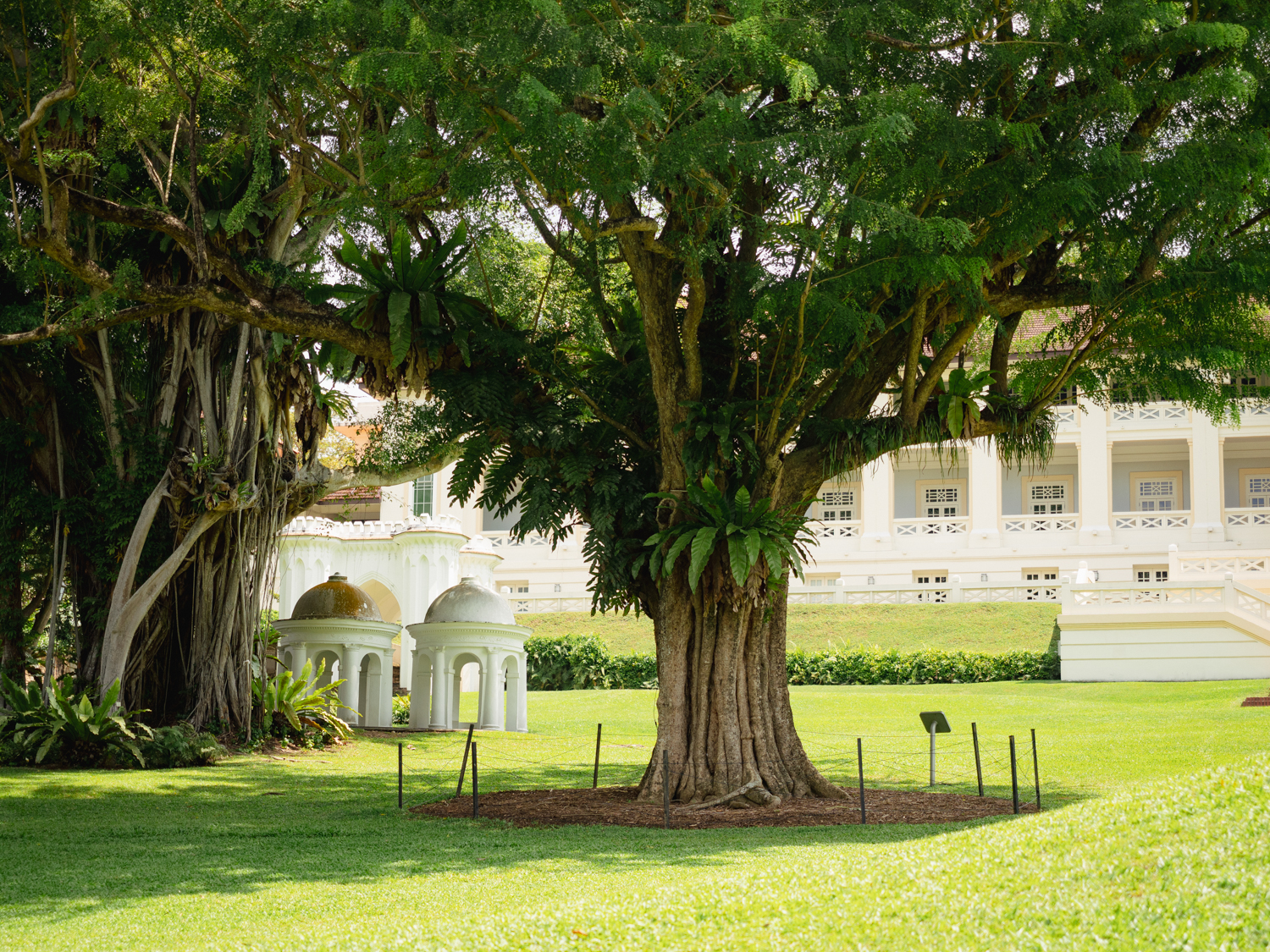
As Singapore’s first UNESCO World Heritage Site, the Botanic Gardens offer a very different experience to the city’s contemporary attractions. Mature rainforest, towering palms, lakes and expansive lawns create a peaceful environment that’s easy to explore over several hours. Grab a coffee, wander with your camera, and explore the lush landscape close-up, but also a little wider too.
The gardens are beautifully maintained without feeling overly manicured, allowing nature to take centre stage. Early mornings are particularly rewarding, when walkers, runners and birdlife share the quiet pathways beneath the trees.
Photography Tips
- Arrive early to enjoy softer light and fewer visitors.
- Look for reflections across Symphony Lake.
- Keep a telephoto lens handy for birdlife among the trees.
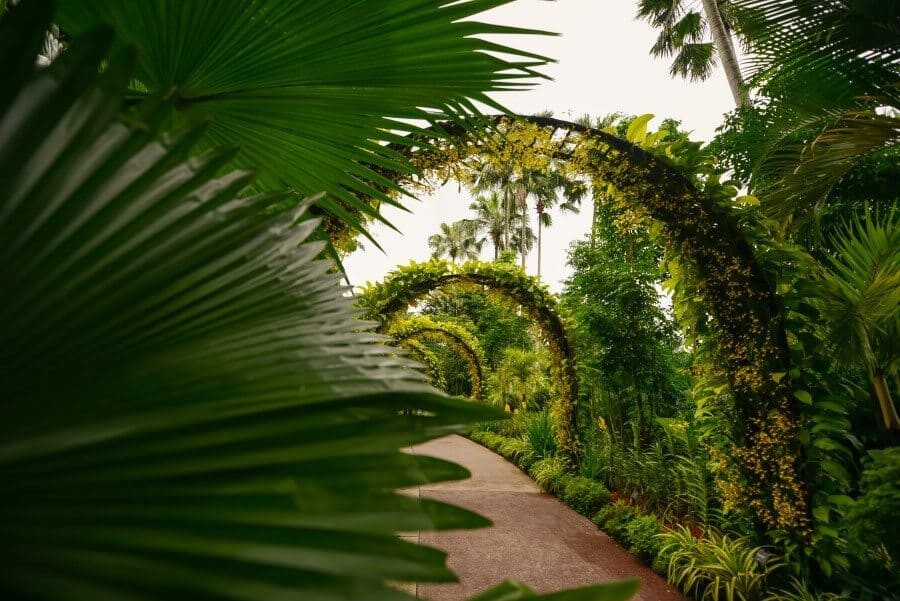
National Orchid Garden – An Explosion of Colour
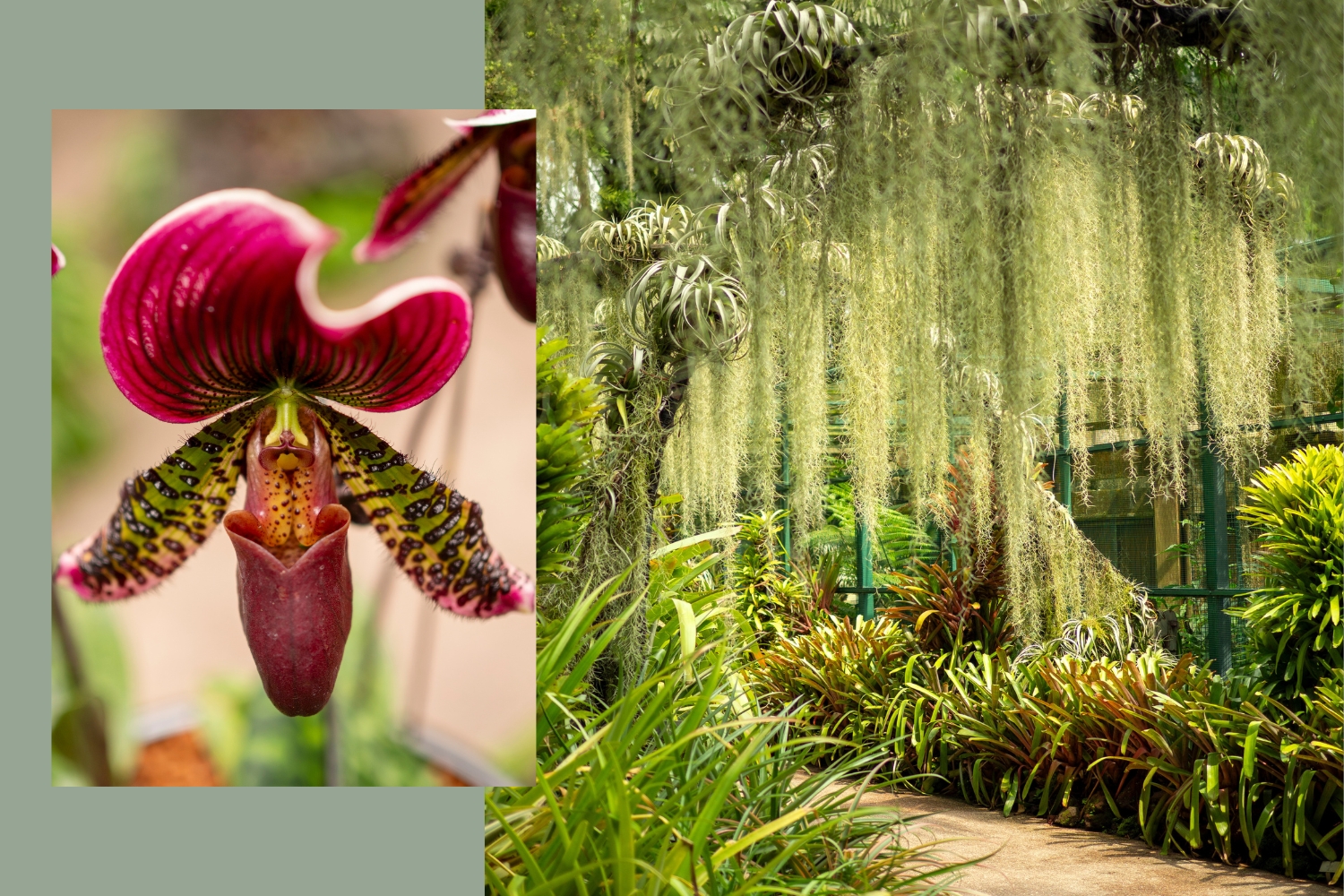
Located within the Botanic Gardens, the National Orchid Garden is home to one of the world’s largest collections of orchids, with thousands of plants representing hundreds of species and hybrids.
The colours, intricate patterns and delicate textures make this a wonderful location for photographers looking to slow down and focus on detail. Every pathway reveals another display, whether you’re drawn to sweeping floral arrangements or the smallest details within a single bloom.
Photography Tips
- A macro lens or telephoto zoom allows you to isolate individual flowers.
- Overcast conditions provide beautifully even light.
- Experiment with abstract compositions by focusing on colour and pattern.
Fort Canning Park – History Beneath the Canopy
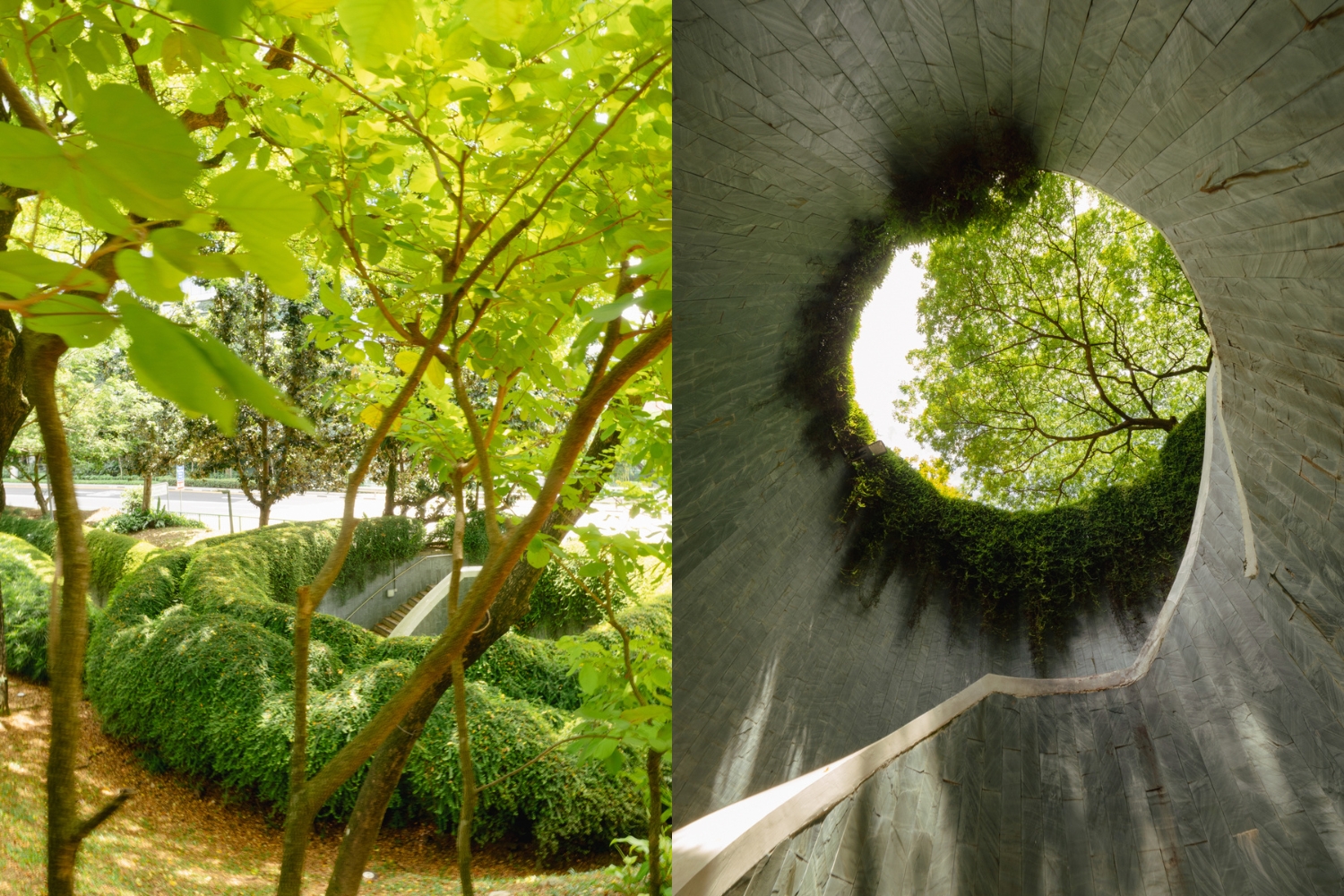
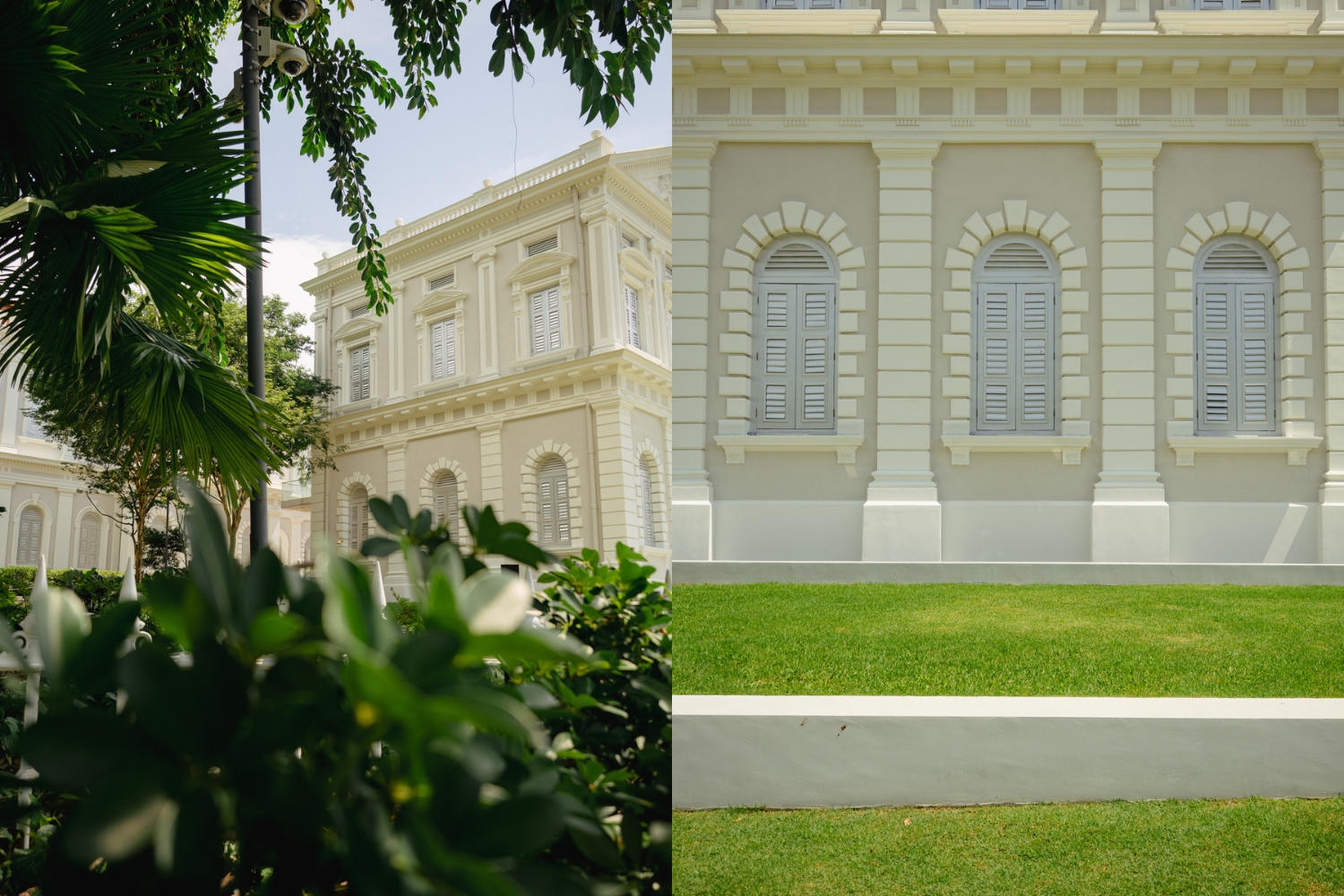
When Crystal from Parkroyal Collection Marina Bay recommended Fort Canning as a green space to explore, I went straight to Google Maps and was pleasantly surprised to see just how close it was, only 15mins walk away. Fort Canning Park blends history with nature in the centre of Singapore with tree-lined paths that weave between historic buildings and archaeological sites, mature rainforest also creates some welcome shade throughout the park.
Many visitors head straight for the famous Tree Tunnel staircase, so be warned there might be quite the queue, however, when I photographed there, everyone was fine for me to duck in and take a shot since I didn’t want to be posing ‘in’ the photo. The surrounding walking trails offer plenty of quieter photographic opportunities beneath the canopy, and it’s worth making a stop at the National Museum of History too, for the architecture and insights into Singapore’s history.
Photography Tips
- Visit early to avoid crowds at the Tree Tunnel.
- Explore beyond the staircase to discover shaded pathways and historic features.
- A wide-angle lens works well beneath the towering trees.
Pulau Ubin – A Wilderness Adventure in the Wetlands
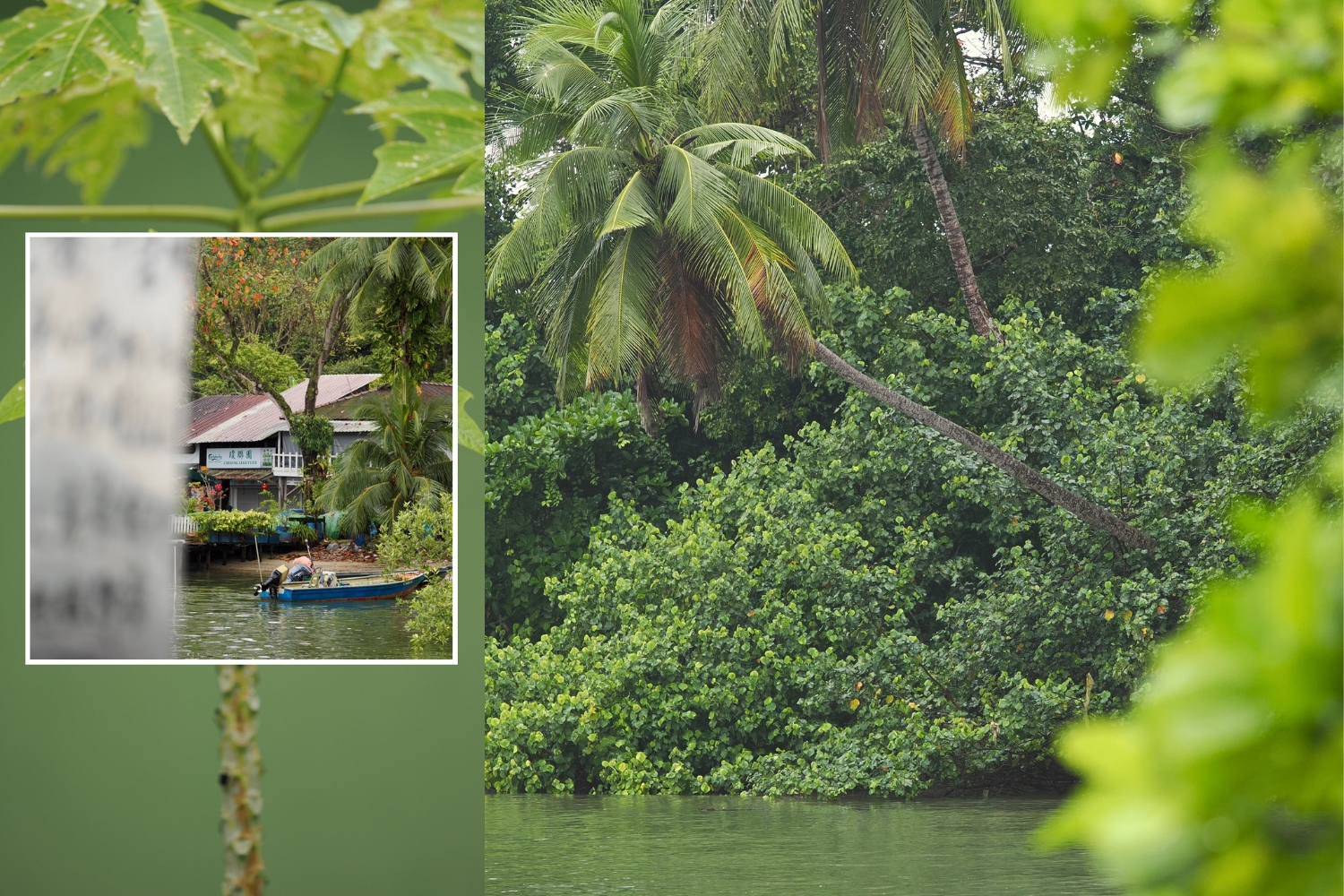
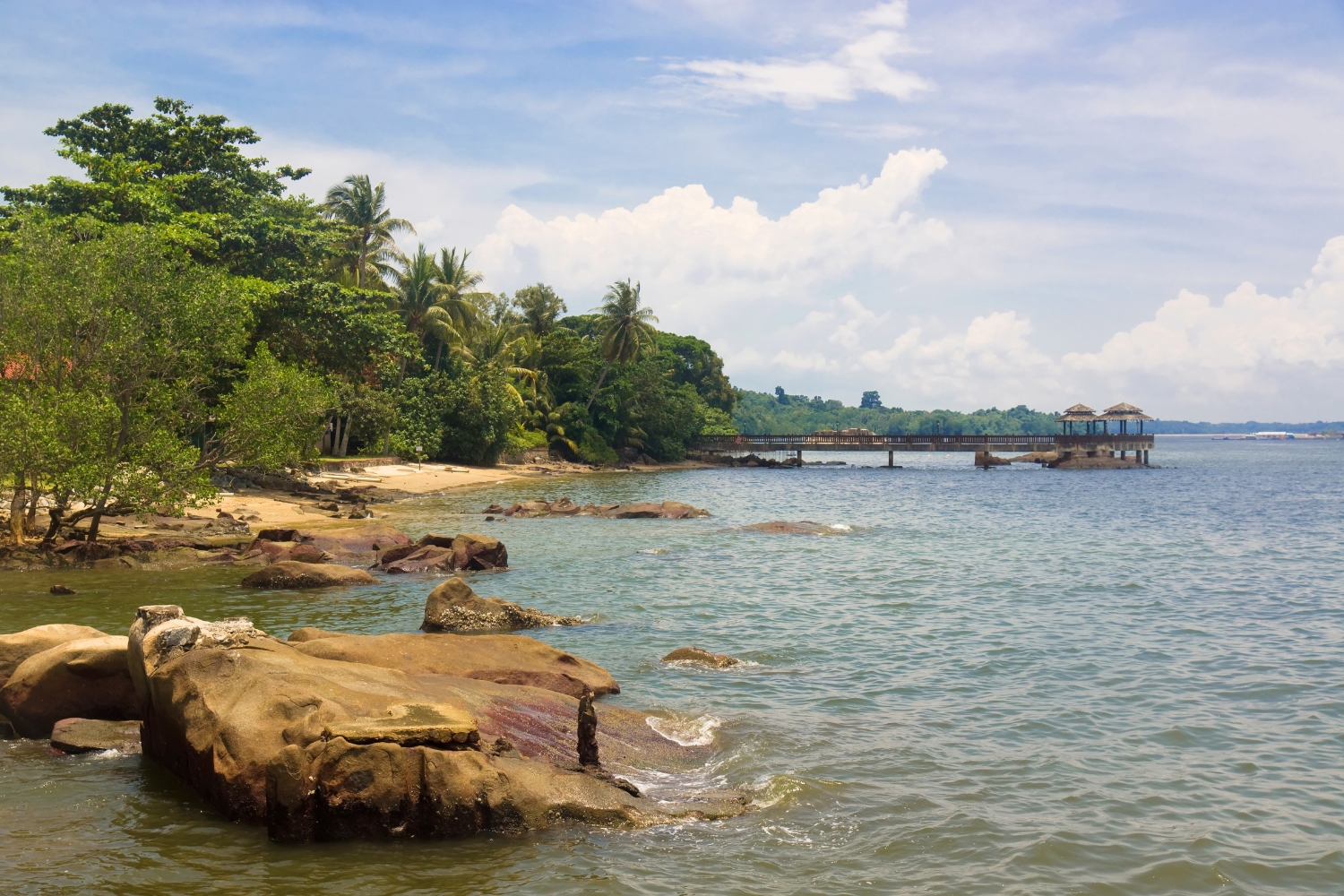
Just a short bumboat ride from mainland Singapore (with the port close to Changi Airport), Pulau Ubin offers a glimpse into a slower, more natural side of the island nation. Mangroves, wetlands, traditional kampong houses and forest trails replace the city’s skyscrapers, creating an entirely different landscape to explore.
For photographers interested in wildlife, landscapes or simply experiencing a quieter pace, Pulau Ubin is well worth setting aside a full day to visit. There are bicycles for hire, or you can wander along the many trails that lead into the environment.
Photography Tips
- Arrive early to make the most of the cooler morning temperatures.
- Explore the Chek Jawa Wetlands for birdlife and coastal scenery.
- Pack plenty of water, sunscreen and a telephoto lens for wildlife.
Henderson Waves – Among the Treetops
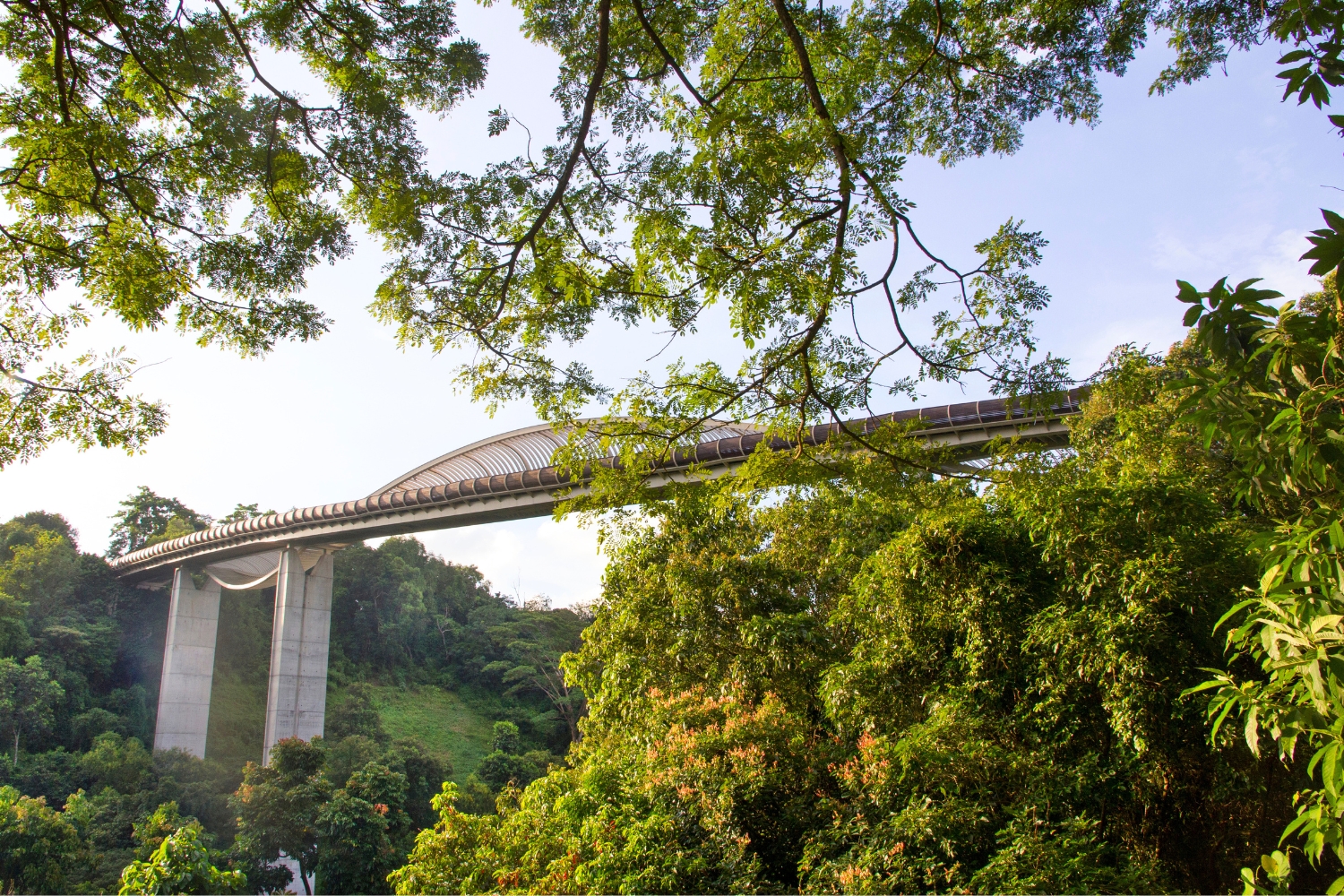
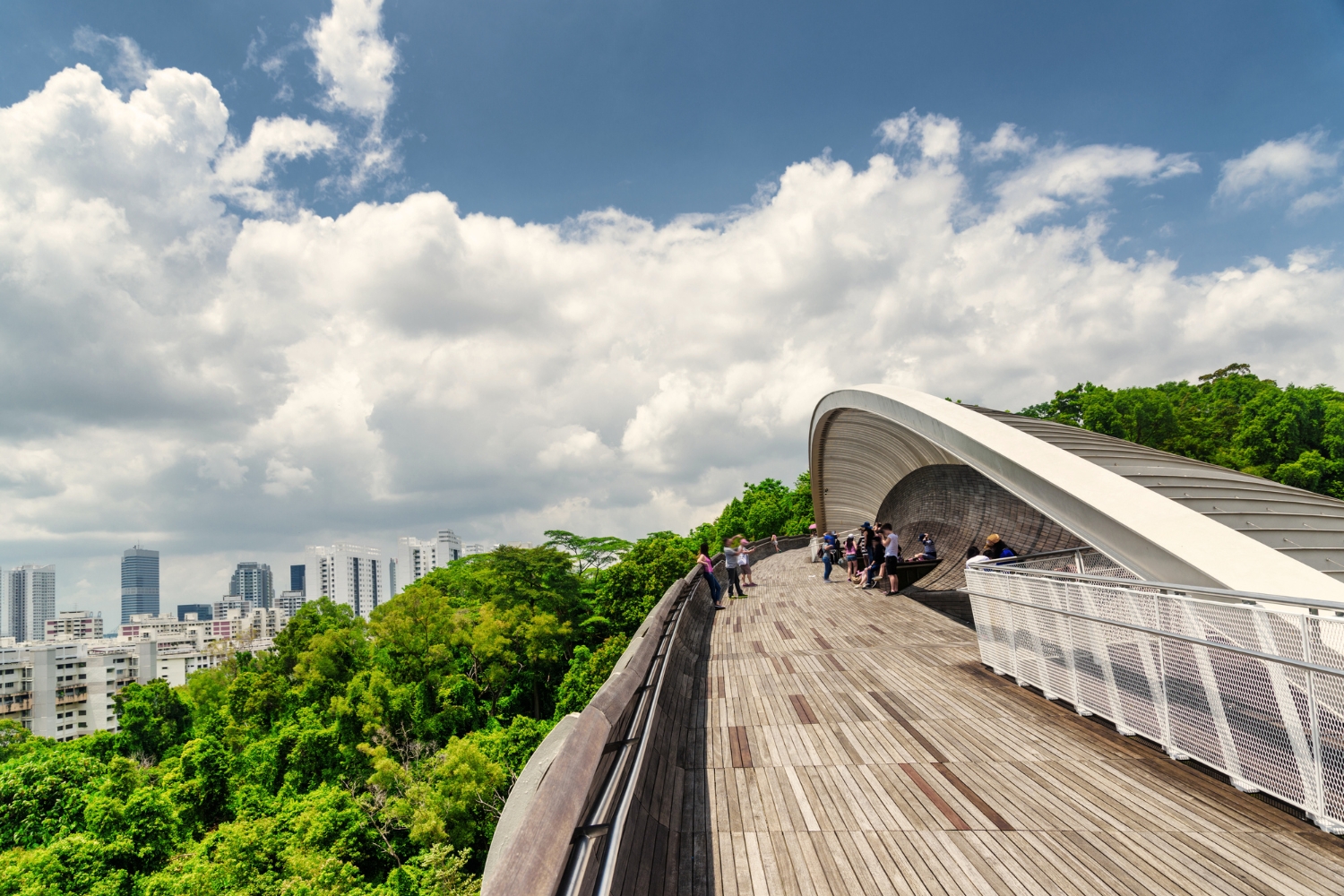
Suspended above the forest canopy, Henderson Waves is Singapore’s highest pedestrian bridge and one of its most distinctive architectural landmarks. The flowing timber structure curves through the trees, creating beautiful leading lines while framing views across the surrounding parks and skyline.
Late afternoon is a wonderful time to visit, when warm light filters through the timber ribs before sunset colours and lights begin to appear across the city, just be sure to pack a raincoat or umbrella as those afternoon storms and showers can hit quickly. If you prefer your photography with a side of birdsong, sunrise is pretty magic too, you’ll have less crowds, and can slowly capture the city and surrounding forest as it wakes.
Photography Tips
- Visit at sunrise or in the late afternoon or around sunset.
- Use the bridge’s curves as leading lines within your compositions.
- Continue walking along the Southern Ridges for additional viewpoints.
Jewel Changi Airport – Where the Journey Continues
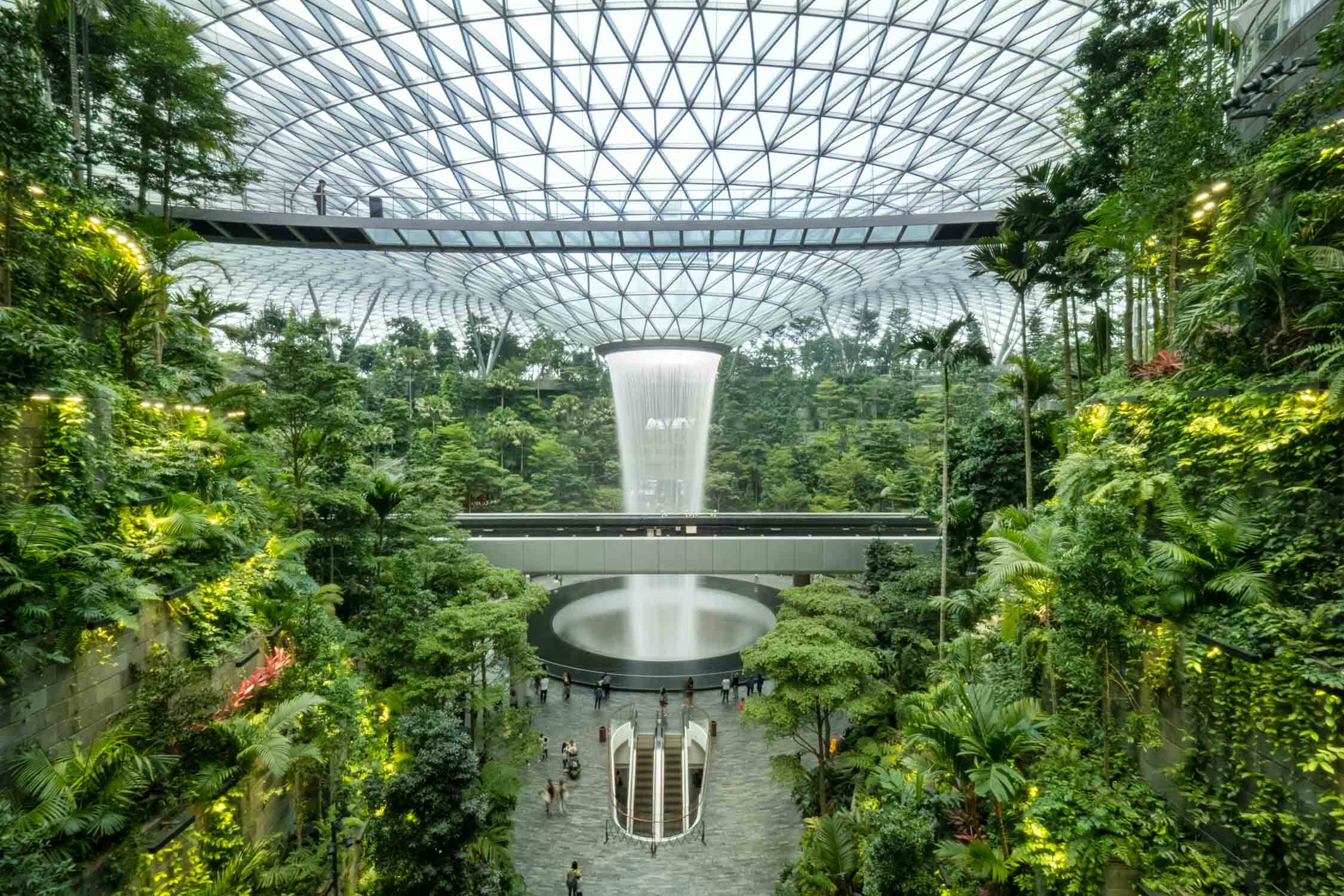
Whether you’re arriving in Singapore or heading home, it’s well worth allowing extra time to wander through the Forest Valley before your flight. It offers one final reminder of how seamlessly nature has been woven into Singapore’s urban landscape.
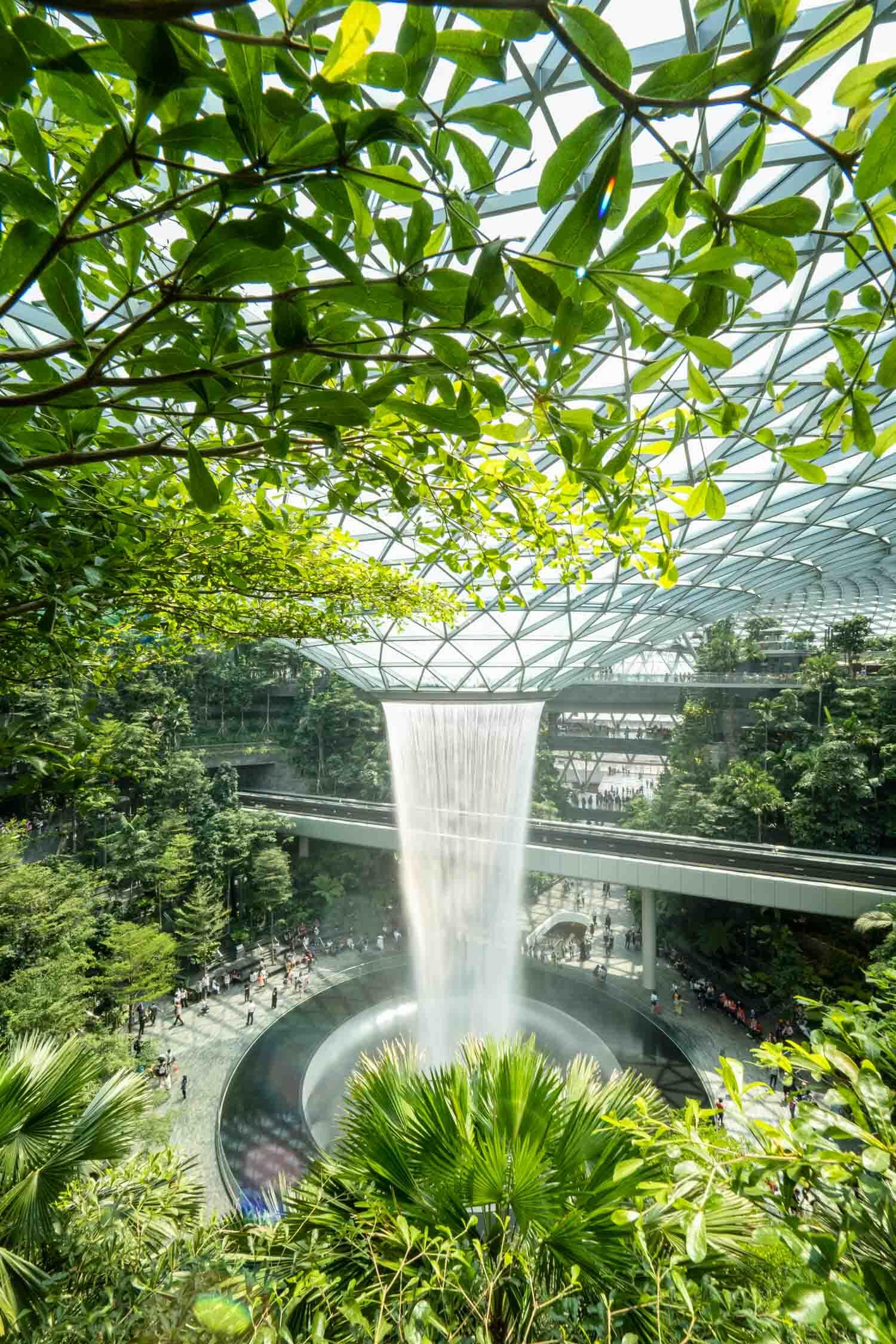
Jewel Changi Airport is linked with Terminal 1, and open to the public; it’s not airside, so you’ll need to pass through immigration if you’re transiting, and if you’re departing, there’s an early check-in counter so you can wander without your luggage! At its heart, the Jewel Rain Vortex tumbles through a lush indoor forest, surrounded by elevated walkways and thousands of trees and plants that transform the airport into a destination in its own right. Prepare your gear for the humid conditions, then explore the pathways that venture into the gardens, using the foliage to frame the vortex, or wait as it transitions from fast-flowing to whimsical clouds of mist.
Photography Tips
- Visit during quieter morning hours if possible.
- Photograph the Rain Vortex from multiple levels.
- A wide-angle lens captures the scale of the indoor forest beautifully.
Where to Stay in Singapore
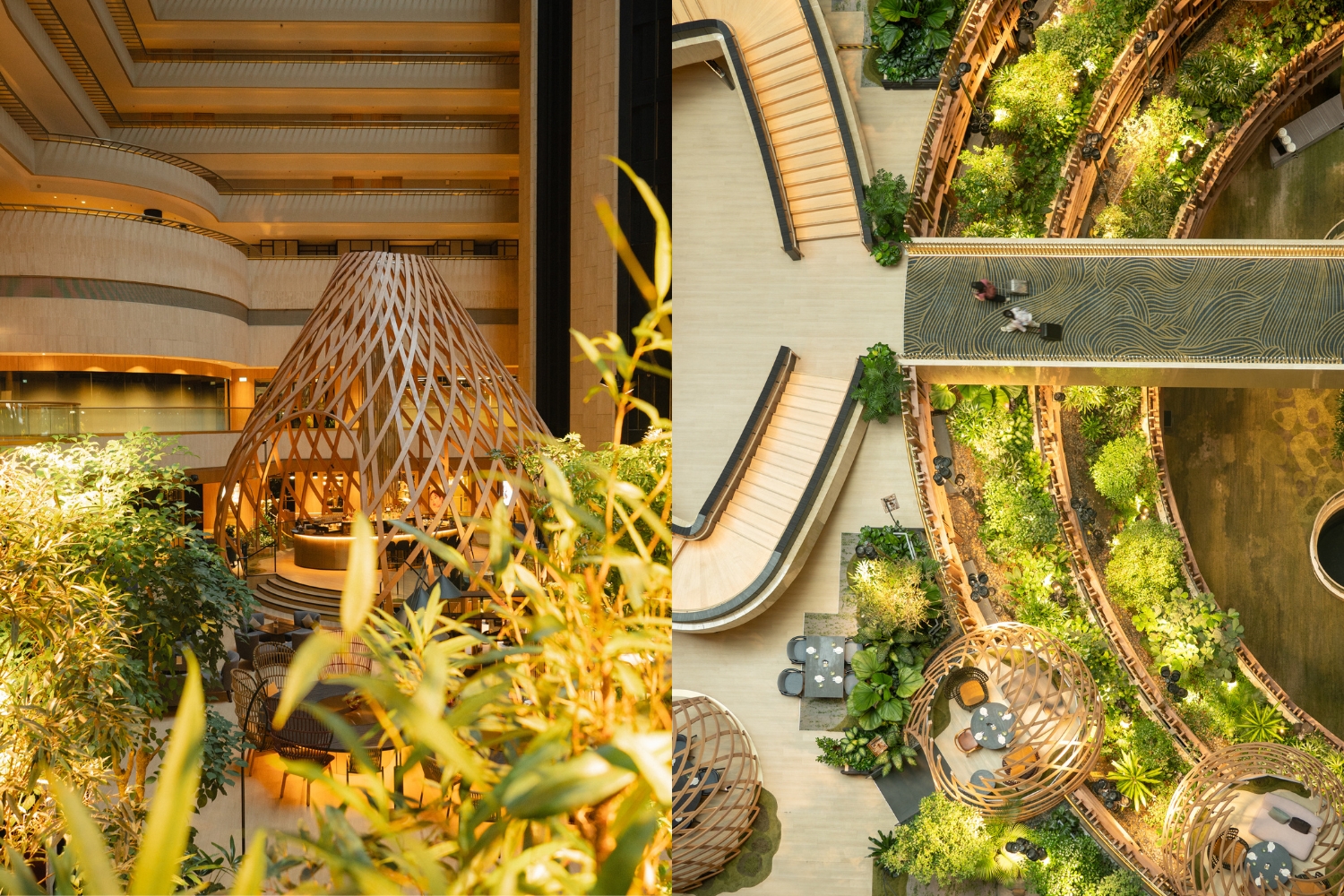
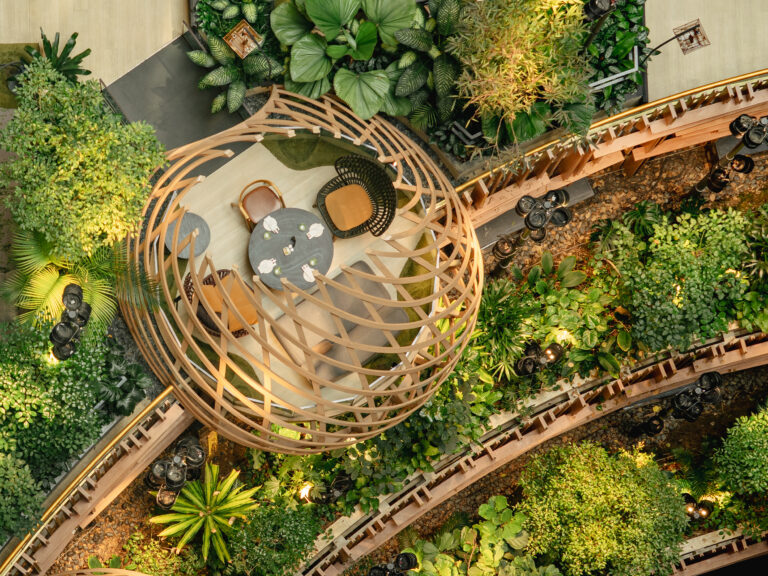
During my visit, I stayed at PARKROYAL COLLECTION Marina Bay, which proved an ideal base for exploring Singapore’s many green spaces. Its central location made it easy to reach Gardens by the Bay, the Singapore Botanic Gardens, Fort Canon and many of the city’s other attractions, while the hotel’s own biophilic design, complete with a soaring atrium filled with more than 2,400 plants, continued the feeling of being immersed in nature long after returning from a day of exploring.
Take a read of the Visual Hotel Review here.
Continue Reading about Photographing Singapore:
A Guide to Singapore Photography Locations
Photographing the Supertree Grove of Singapore
Step Inside the World’s Best Airport Hotel

Hello! I’m the founder and photographer behind The Wandering Lens.
With 19+yrs experience as a professional travel and landscape photographer, all advice found on this site is from my personal experience, or that of contributors, on the road. I hope it’s useful for your own travels and would love to hear in the comments about your trips and experiences around the world.
Leave a Comment