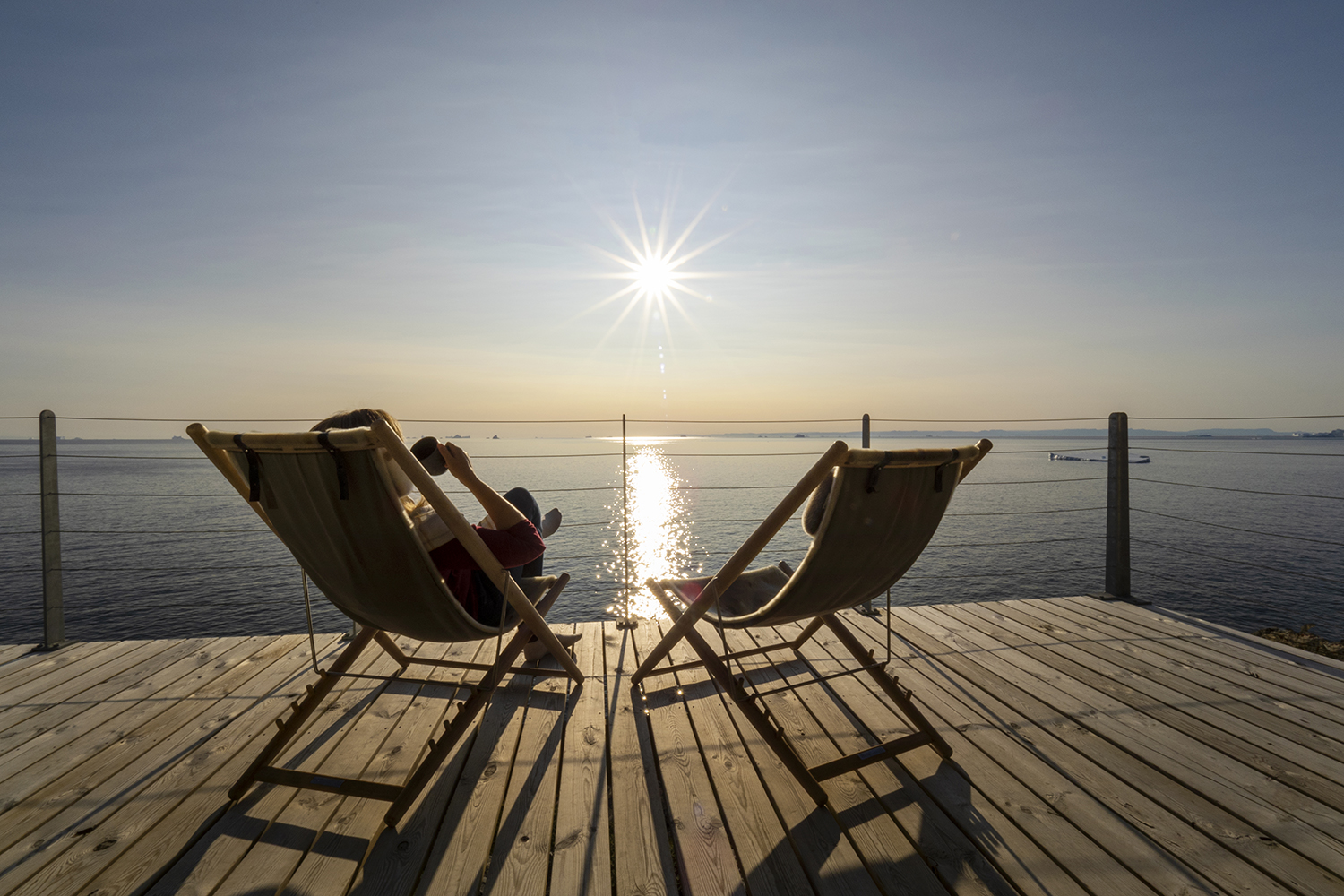
Creativity has become an increasingly visible part of the wellbeing conversation.
by Lisa Michele Burns
Alongside yoga retreats, forest bathing and guided meditation, a growing number of travellers are seeking experiences centred around photography, painting, writing and other creative pursuits. While these retreats often promise new skills, they also offer something less tangible: an opportunity to slow down and experience a destination differently.
Over the past two decades, photography has quietly transformed the way I travel. What began as a way to document remarkable places gradually became a reason to spend longer within them, and of course, my career. Instead of moving quickly between viewpoints, I found myself arriving before sunrise, returning to the same location across several days and paying closer attention to details that might otherwise pass unnoticed.
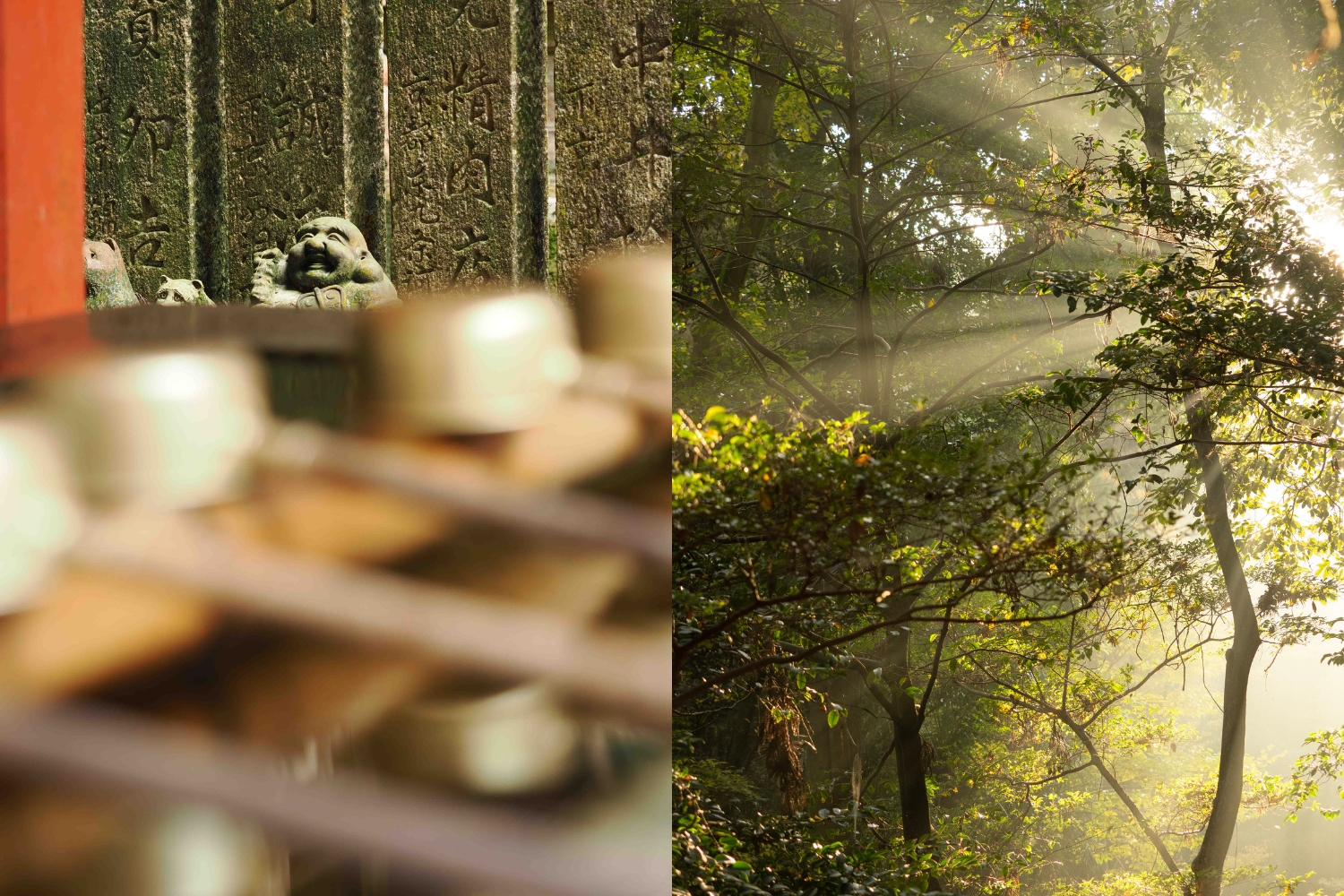
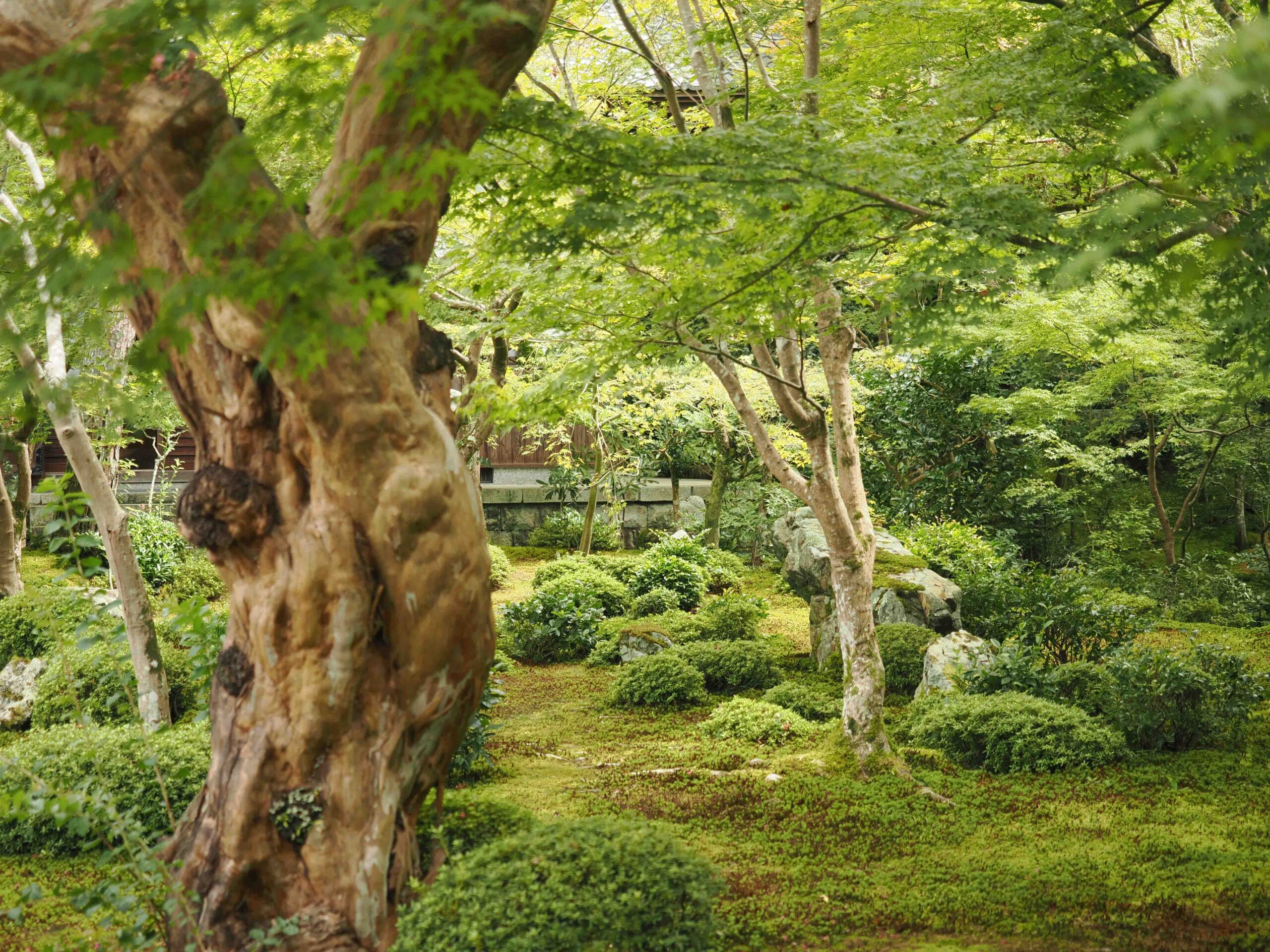
One morning in Kyoto, I arrived at a forest temple expecting to photograph a collection of tanuki no okimono statues. Instead, I spent the first twenty minutes simply listening to the sound of summer, with cicadas trumpeting their vibrations across the canopy while the sound of distant temple bells and trickling streams drifted across the valley. By the time I reached for my camera, the photograph almost felt incidental. What stayed with me was the experience of being immersed in the landscape before I had considered how to compose it.
That morning made me realise that photography had become more than a creative practice. It had taught me to observe, a habit I’m now so grateful to have ingrained in my exploration. Before making an image, I’ve learnt to notice changing light, shifting weather, subtle movement and the atmosphere of a place. Looking back, those moments of observation have often proved just as memorable as the photographs themselves.
This idea sits at the heart of many creative pursuits. Whether photographing, sketching, writing or recording sound, the process begins by paying attention. It asks us to remain curious, to spend time with a place rather than simply passing through it, and to notice details that are easily overlooked in the pace of everyday life.
Perhaps this is why creativity feels increasingly relevant within the wellbeing space. Rather than asking us to switch off completely, it offers a practical way to become absorbed in the present. The creative outcome is only one part of the experience; the greater value often lies in the attention we give to the world while creating it.
Nature has a remarkable ability to deepen that experience. Across Patagonia, Greenland, Japan and Chile’s Atacama Desert, I have found that some of my most memorable creative moments have come not from making photographs, but from the time spent walking, waiting and simply observing. Those experiences have gradually reshaped my understanding of both creativity and wellbeing.
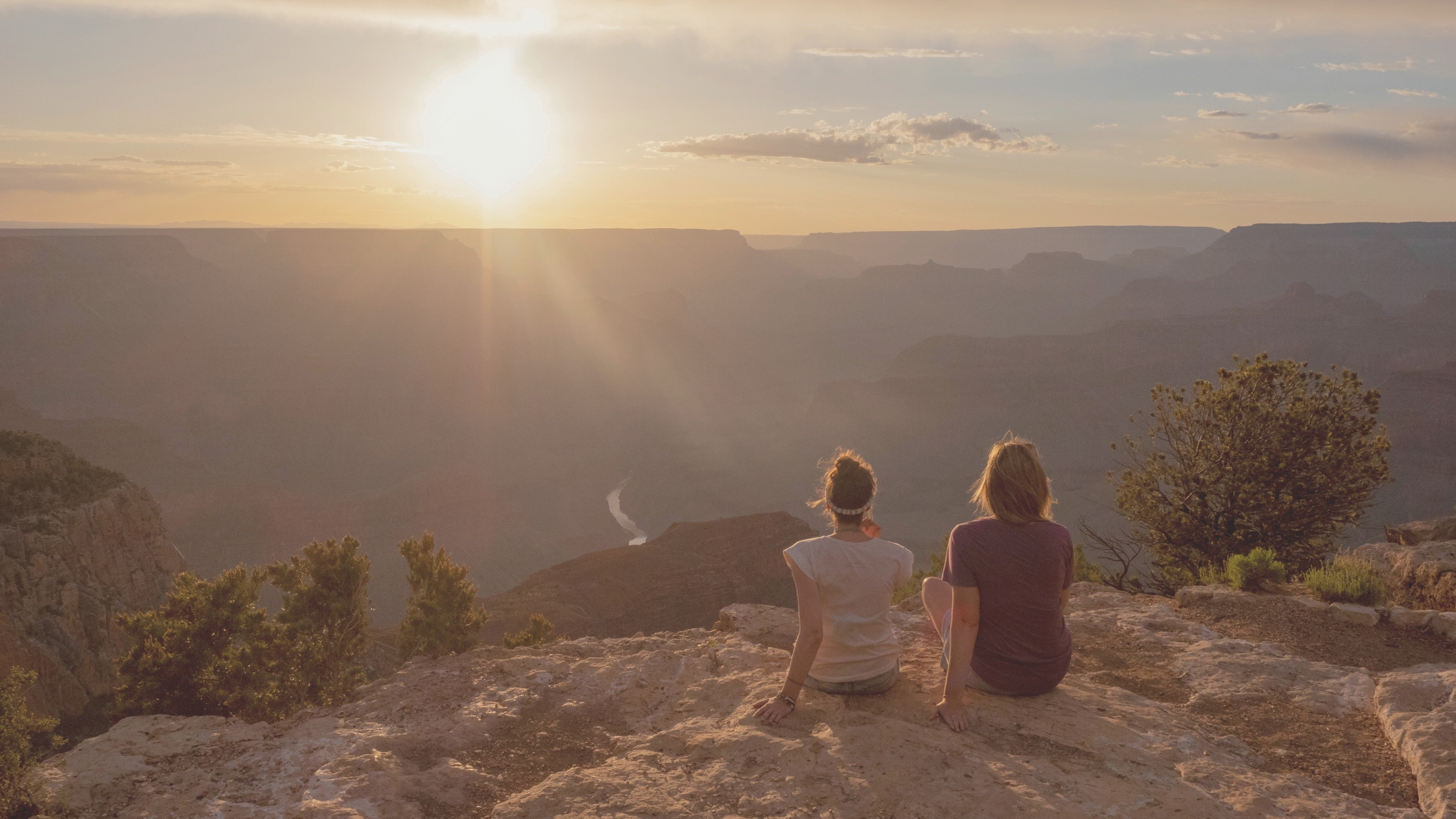
Slowing Down and Looking Up
One of the greatest luxuries modern travel can offer is the opportunity to move at a different pace.
For many of us, daily life is shaped by schedules, notifications and an almost constant awareness of what comes next. Time in nature has a way of interrupting that rhythm and rather than asking us to be productive, landscapes often encourage something much simpler: to keep walking, keep looking and allow the environment to dictate the pace.
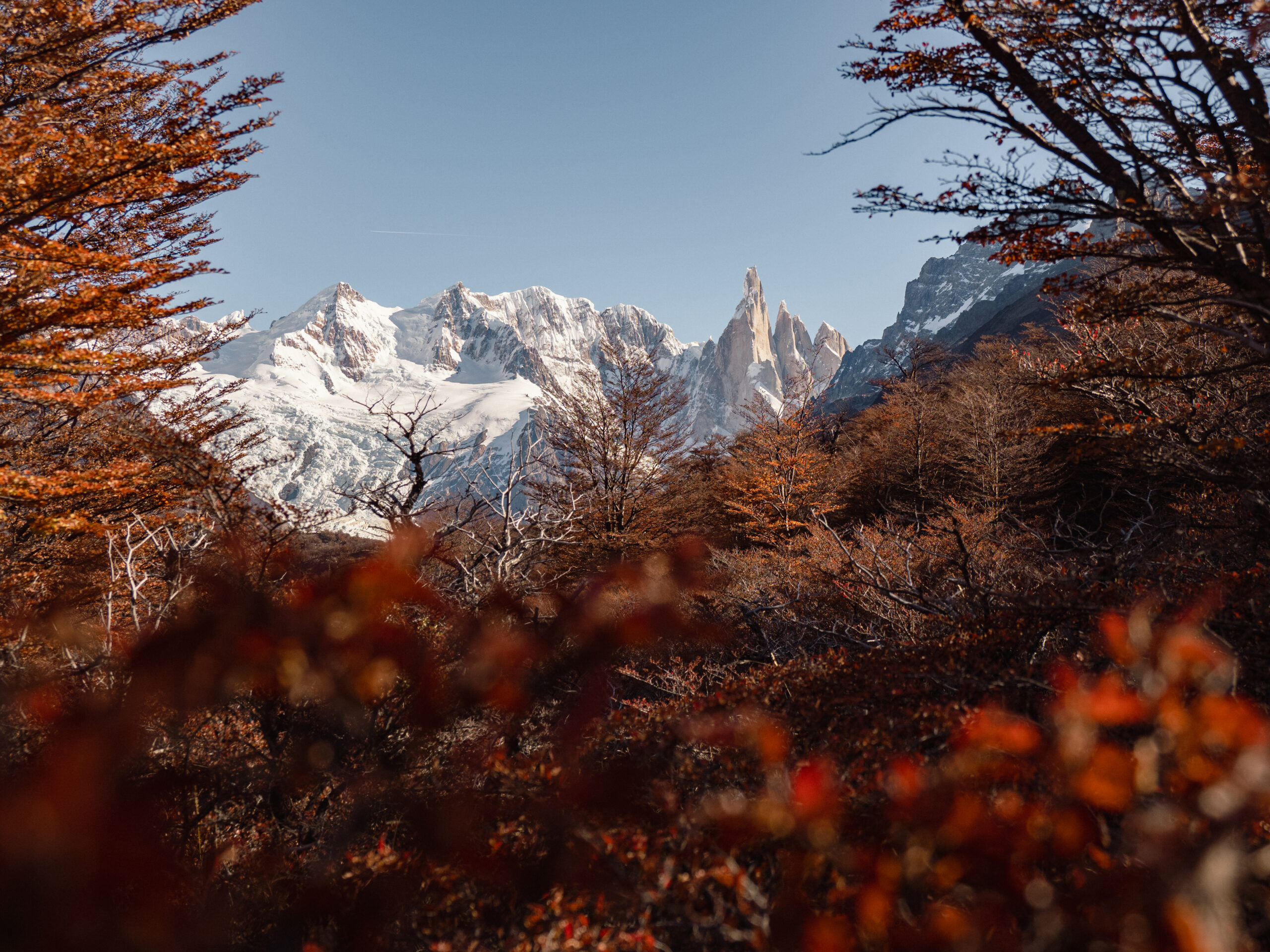
I came to appreciate this while hiking through Patagonia, between moments of thinking ‘how the heck will I make it to the top of that hill’.
Unlike many destinations where the highlight is a single viewpoint, Patagonia reveals itself gradually. The trail becomes just as important as the destination, with ever-changing weather, shifting light and vast landscapes that never look quite the same from one hour to the next. Walking for several hours each day, there was little room to think about emails, deadlines or the distractions waiting back home. My attention naturally shifted towards the practical and immediate: the path beneath my feet, the direction of the wind, the clouds building over the mountains and the changing colours of the landscape as afternoon turned to evening.
And of course, I was always keeping my eyes and ears out for puma, guanaco or birds!
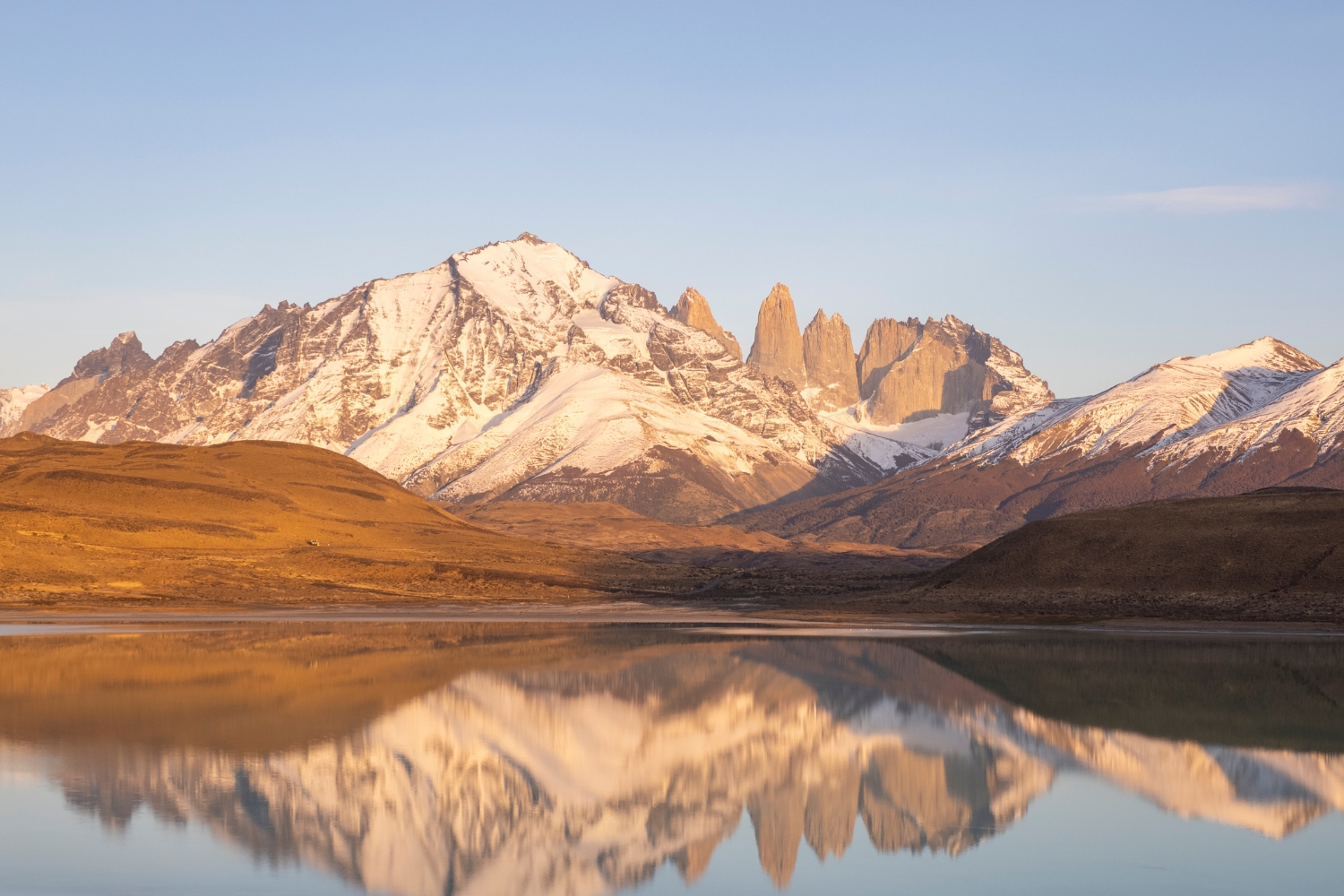
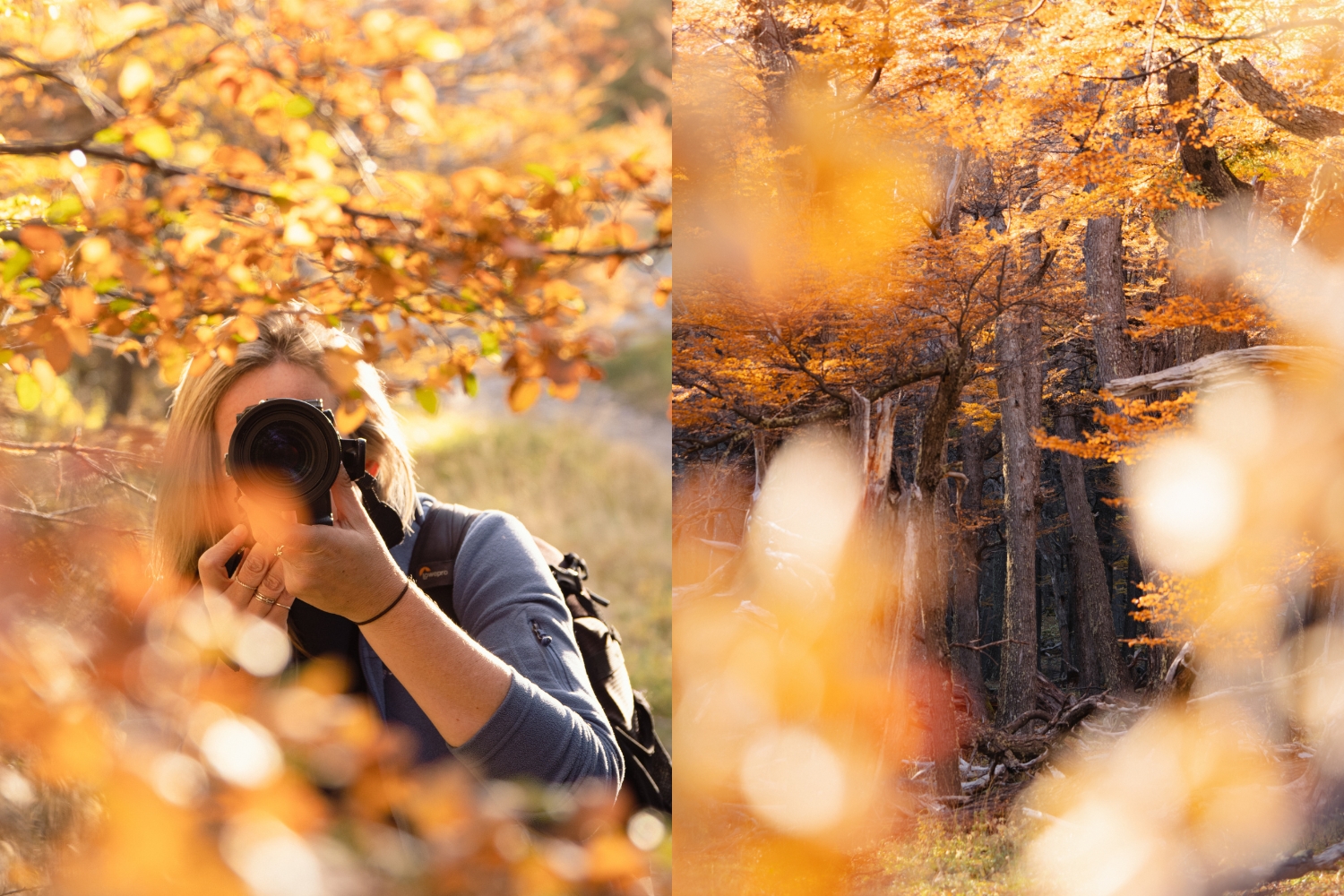
It’s perhaps no coincidence that hiking has become closely linked with wellbeing. While the physical benefits are well documented, the mental shift is equally compelling. Extended time on a trail creates space for attention to settle naturally, replacing the fragmented thinking of everyday life with a quieter awareness of the surrounding environment.
If Patagonia taught me the value of slowing down, Greenland offered a different perspective entirely.
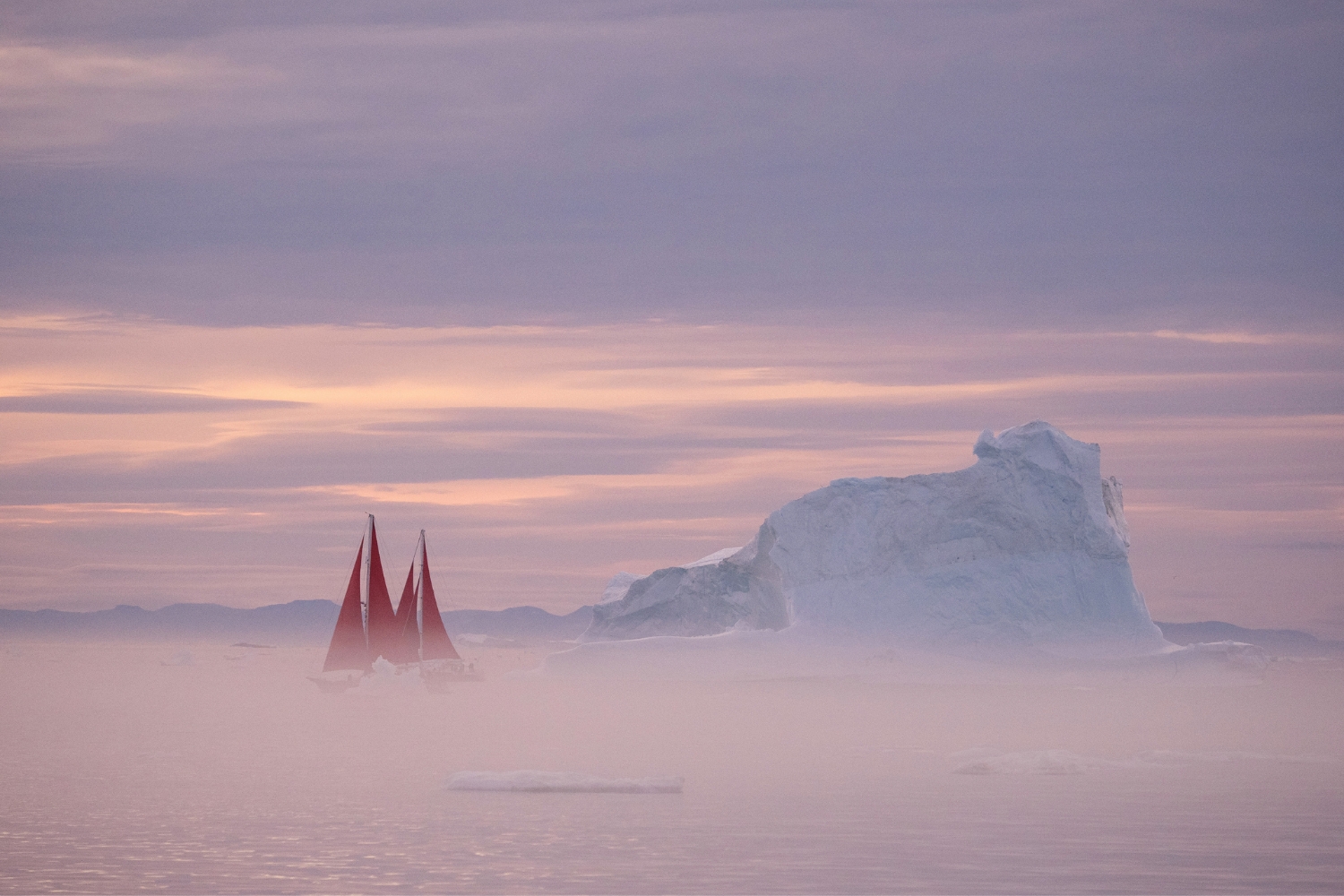
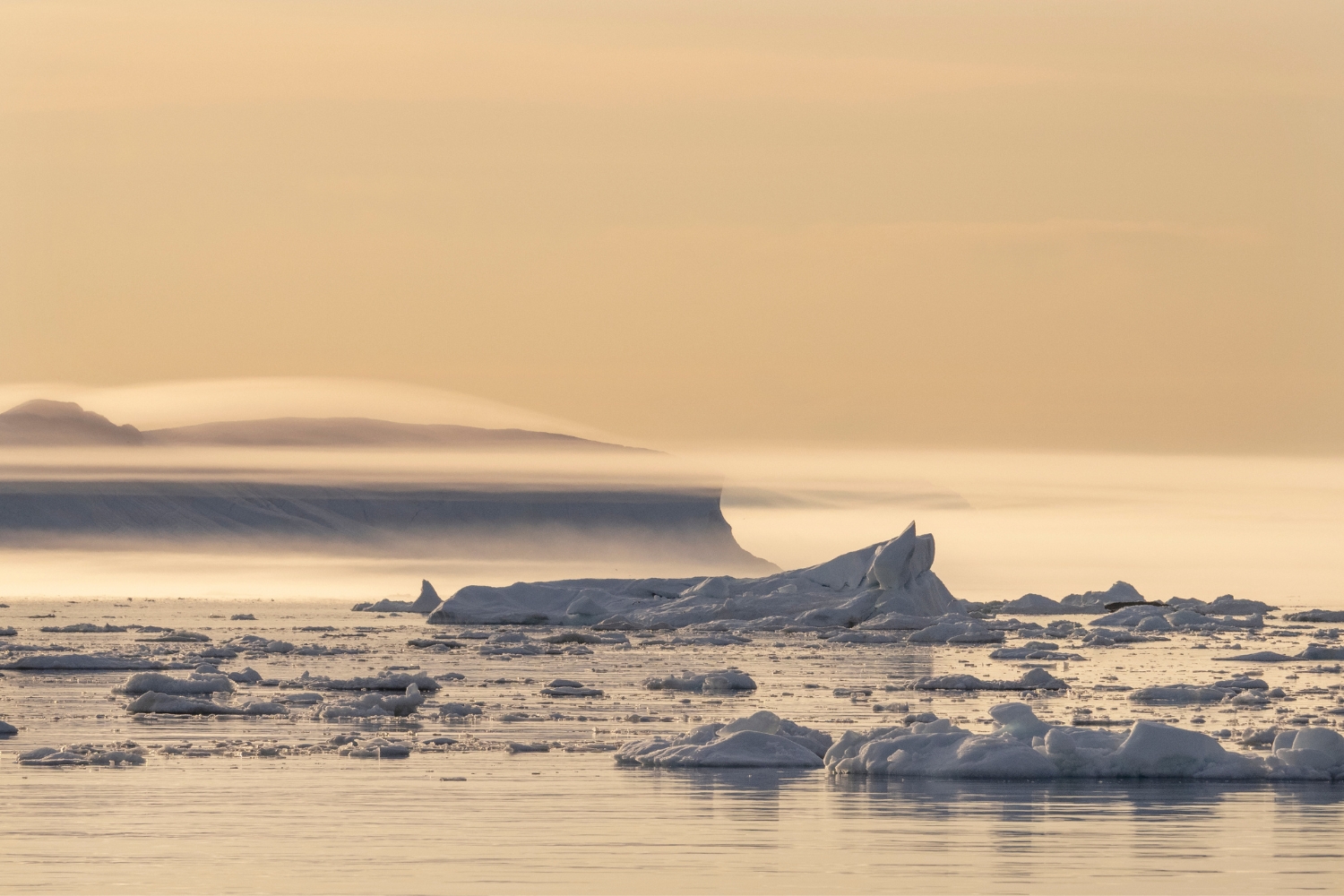
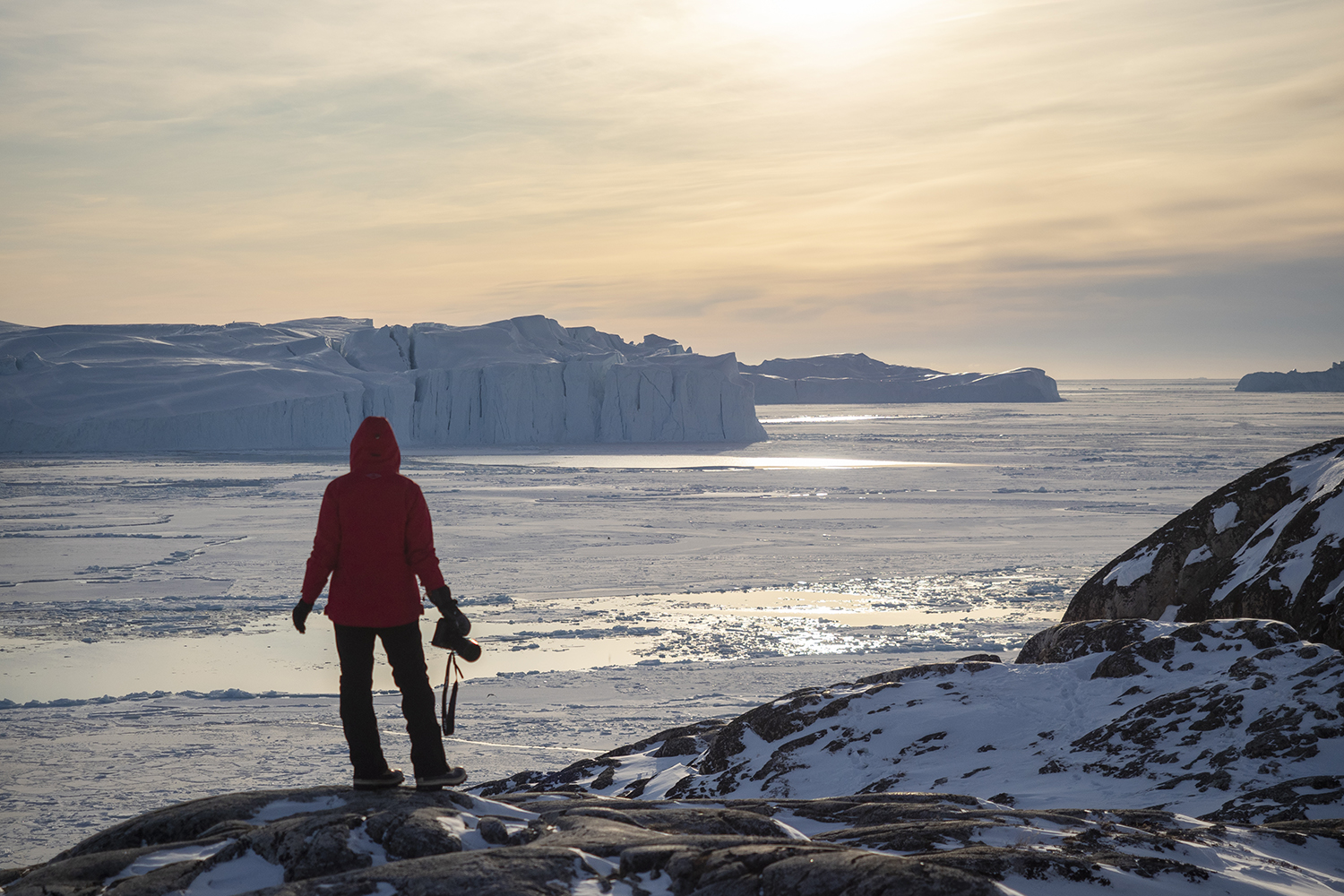
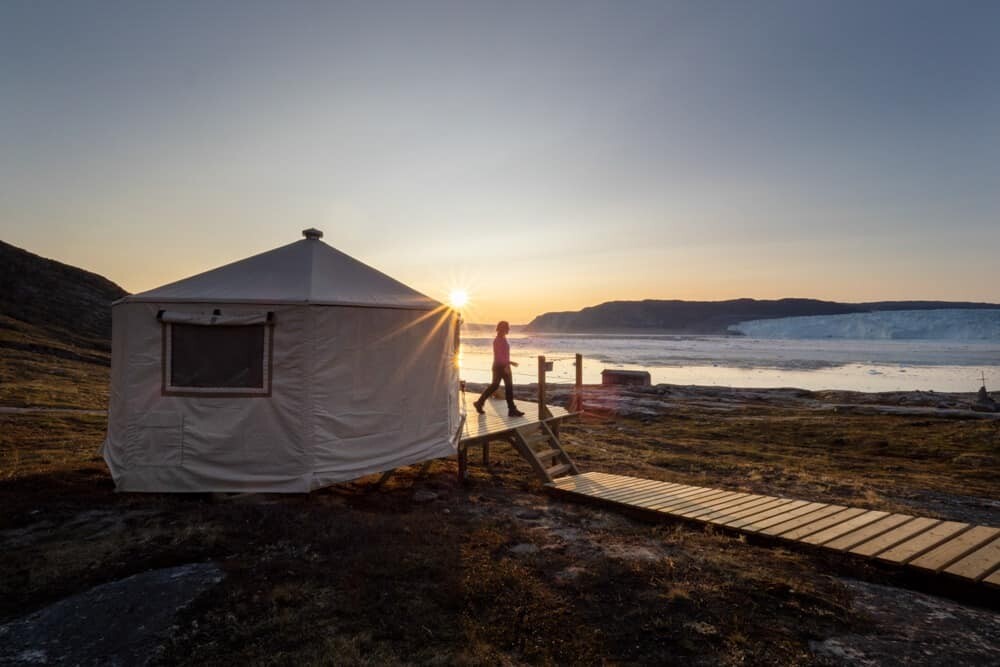
Standing beneath the midnight sun, surrounded by towering icebergs drifting silently through a remote fjord, I found myself experiencing something that is difficult to describe yet immediately recognisable: awe. The landscape was almost incomprehensible in scale. Icebergs rose from the water like sculptures, their colours changing subtly as the sun traced a slow path across the horizon without ever fully setting. It wasn’t simply the beauty of the scene that made it memorable. It was the way the landscape shifted my perspective, I felt so far from home in Australia, but so at peace and calm, the sheer beauty and environmental awe was overwhelming in the best possible way.
Researchers have become increasingly interested in the role of awe within wellbeing, suggesting that experiences of vastness can reduce self-focus and encourage a broader perspective. Looking back, that feels remarkably familiar. Standing in Greenland, there was no sense of urgency to photograph every iceberg or document every moment. Instead, I found myself watching the changing light and appreciating the privilege of simply being there. Actually, if I check my first memory card from the trip, you will indeed find about 2000 photos of icebergs, so the calmness definitely kicked in after my immediate reaction chilled out.
Travel often encourages us to seek out iconic places, but perhaps their greatest value lies not in their popularity, but in their ability to change the way we pay attention. Whether walking through Patagonia or standing quietly beside a Greenlandic fjord, these landscapes demanded very little beyond presence. They reminded me that creativity doesn’t always begin with making something, sometimes it begins by allowing ourselves enough time to experience a place before reaching for the camera.
The Rise of Creative Retreats
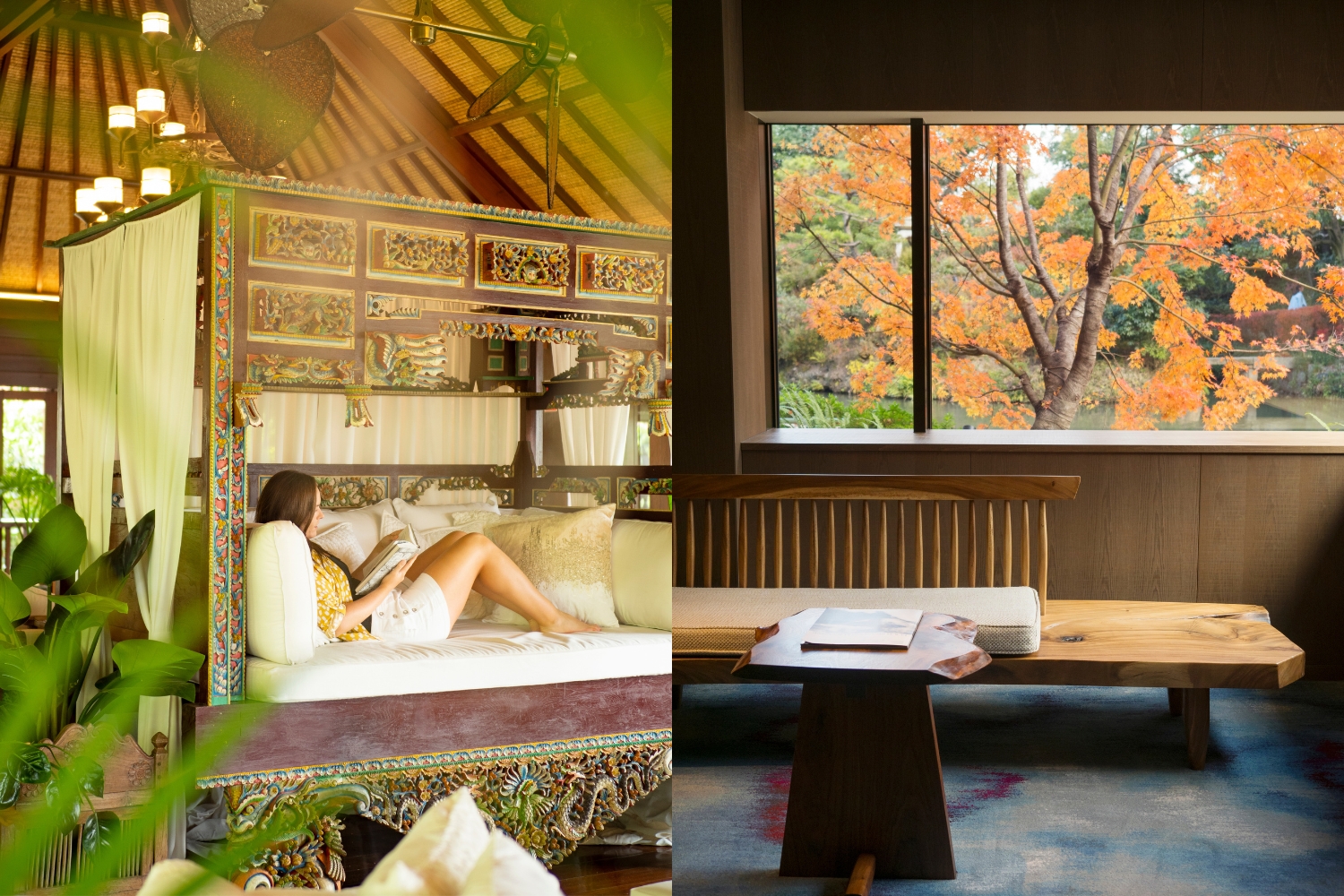
Over the past decade, the wellness travel landscape has expanded well beyond traditional spa escapes and fitness programmes. Increasingly, travellers are seeking experiences that encourage creativity alongside relaxation, with photography tours, artist residencies, writing retreats and nature journalling programmes becoming established parts of the wellness offering.
This shift reflects a broader understanding of wellbeing. While physical health remains central, there is growing recognition that creativity, curiosity and time spent immersed in nature also contribute to how we feel. Rather than focusing solely on rest or recovery, creative experiences invite participants to engage actively with their surroundings, encouraging a deeper connection with both place and the present moment.
Photography tours provide a particularly interesting example. While they are often viewed as opportunities to improve technical skills or visit spectacular destinations, the experience frequently extends far beyond the camera itself as photographing a landscape requires patience and you’re also connecting with likeminded people. It encourages participants to rise before sunrise, return to the same location as conditions change and spend time observing rather than simply passing through.
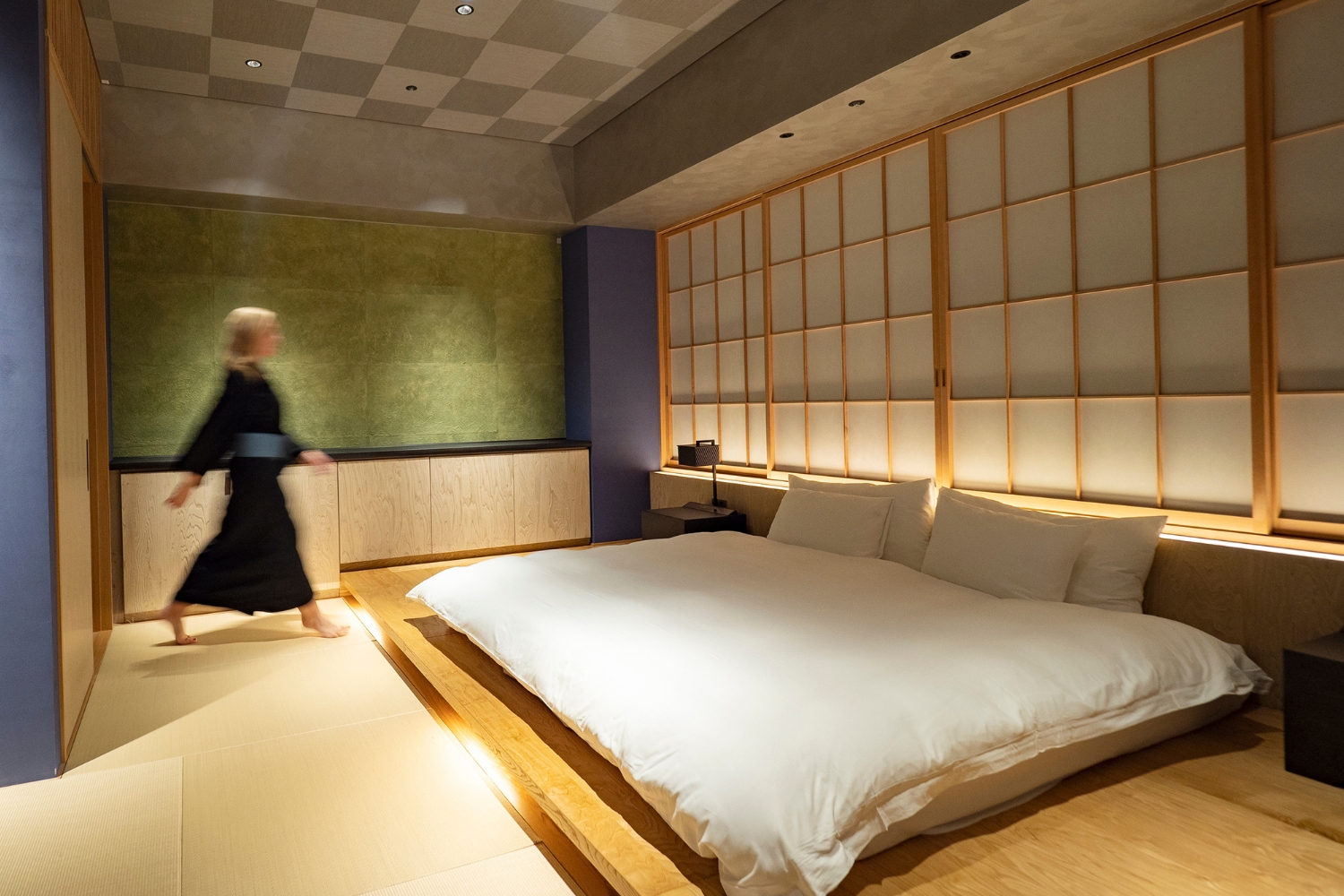
Unlike a conventional sightseeing itinerary, creative travel places less emphasis on how many places can be visited in a day and more on how deeply a destination can be experienced. Time is spent watching weather move across mountain ranges, waiting for wildlife to emerge or noticing the subtle changes in light that transform a familiar scene. Those moments of observation often become just as memorable as the photographs themselves, even if the creative retreat or tour only focuses on one single location.
Many destinations are beginning to recognise this shift. Hotels, wellness retreats and tourism organisations are increasingly incorporating creative experiences into their programmes, understanding that travellers are looking for meaningful ways to connect with a place rather than simply consume it. Whether through guided photography walks, painting classes, writing workshops (or reading retreats) or immersive nature experiences, creativity is becoming another pathway into wellbeing.
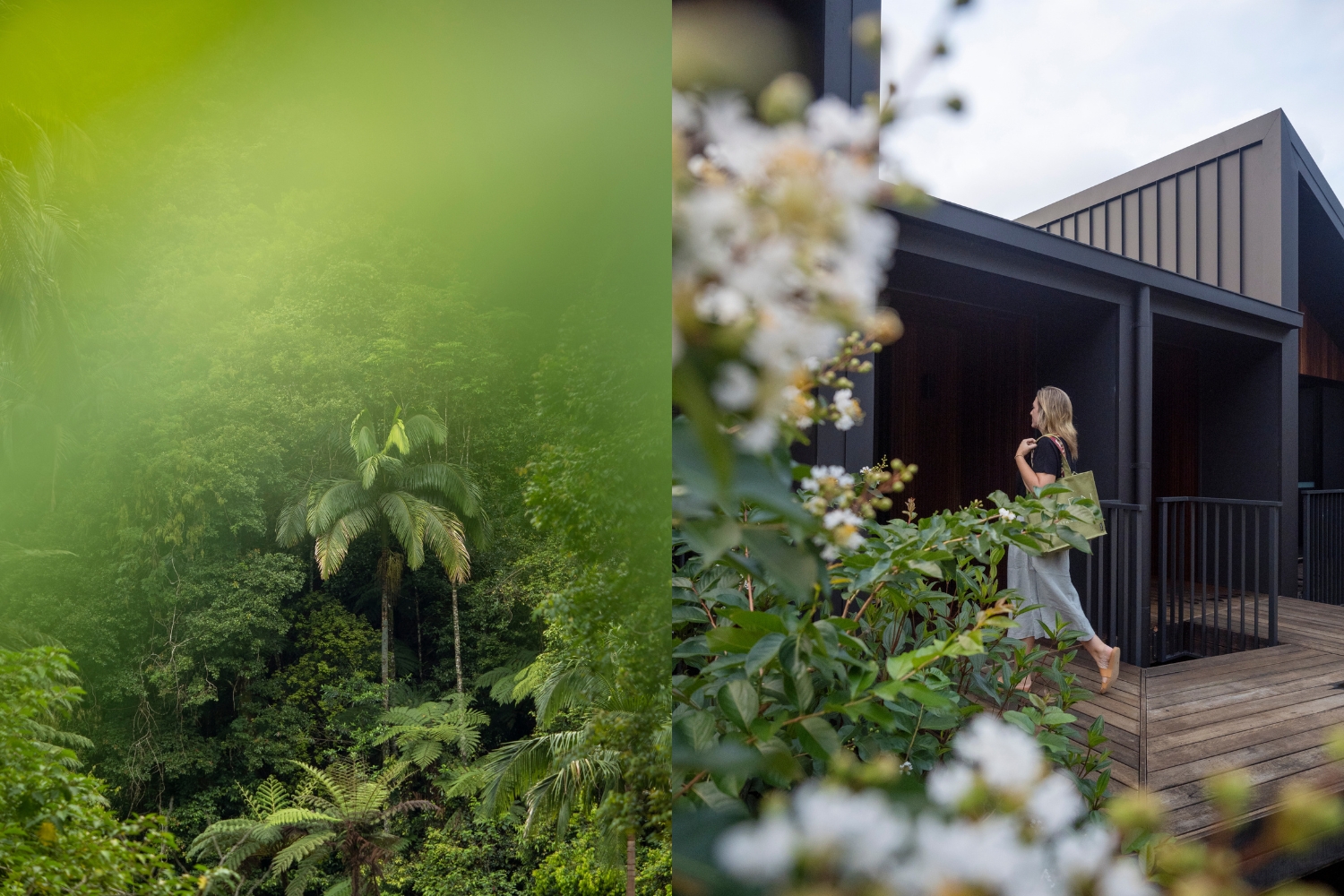
The Simple Luxury of Listening
If photography encouraged me to observe more carefully, field recording introduced an entirely new way of experiencing a destination. In recent years, the development of The Soundscape Studio has taken me back into many of the landscapes I have photographed over the past two decades, this time with microphones in addition to my camera. While the objective has changed, the process remains remarkably familiar. It still begins before sunrise, still rewards patience and still asks me to spend time immersed in an environment before capturing anything at all.
The difference is that listening reveals aspects of a landscape that are often overlooked.
Every destination possesses its own acoustic identity, shaped by its wildlife, weather and natural rhythms. Birds greeting the morning, waves arriving on a shoreline, alpine winds moving through mountain passes or the subtle movement of leaves within a forest canopy all contribute to the character of a place, yet they are experiences that rarely feature within destination storytelling.
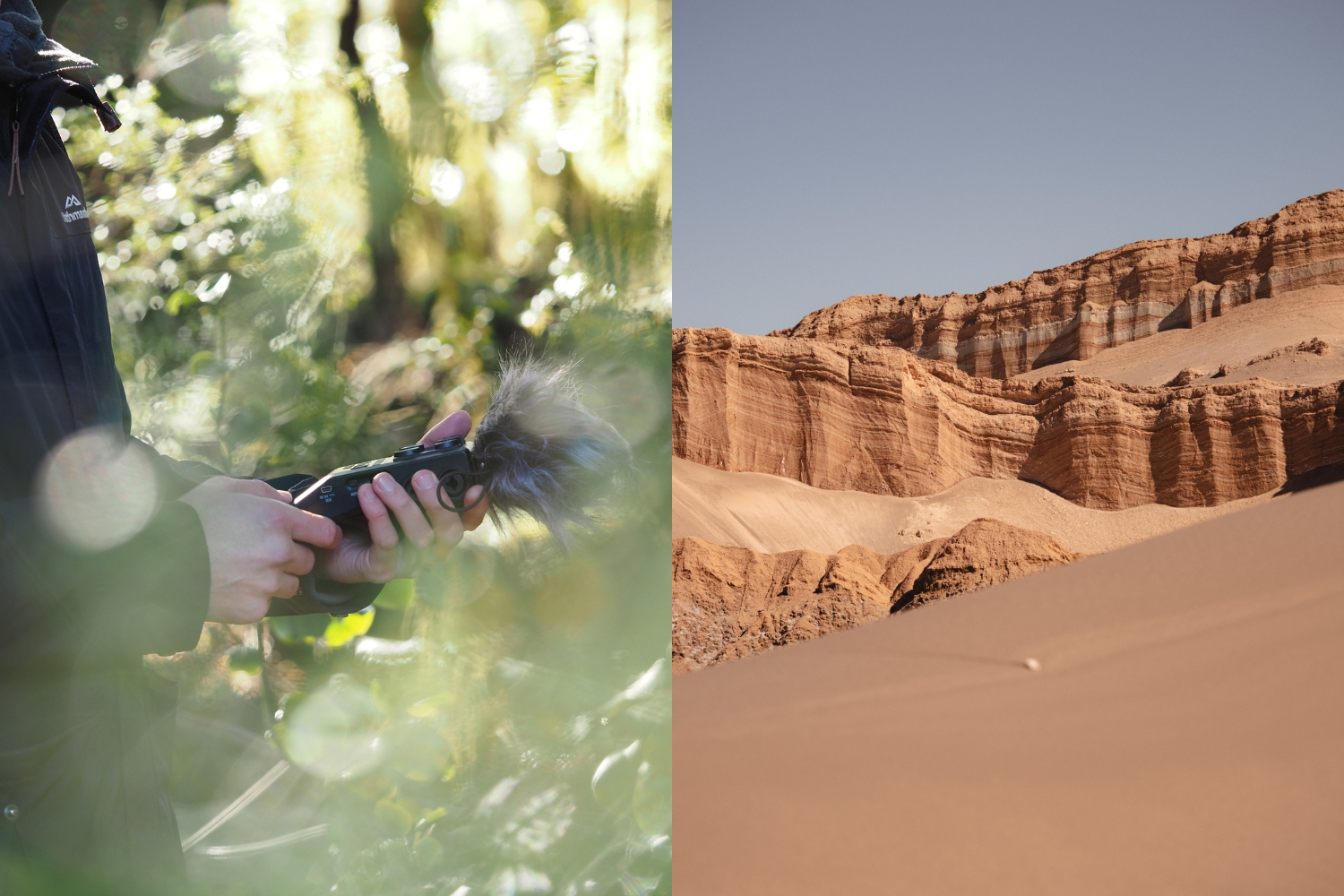
Recording in Chile’s Atacama Desert brought this into sharp focus. Often described as the driest non-polar desert on Earth, it is easy to imagine the landscape as silent. Instead, I found an environment rich with acoustic detail. Before sunrise, birds gathered around high-altitude lagoons while wind swept gently across the salt flats. As temperatures rose, the salt itself began to crackle beneath my feet and throughout the salt rocks, creating an almost imperceptible layer of sound that revealed the landscape was anything but still.
It was a reminder that quiet and silence are not necessarily the same thing.
Some of the world’s most restorative places are not silent at all. They are alive with natural sound, free from the constant interruptions that so often dominate modern life. Spending time recording those environments has reinforced the idea that listening is another form of observation, one that asks us to become fully present with our surroundings. The same is true elsewhere. In Japan, birdsong echoes through cedar forests and temple gardens before the first visitors arrive. Patagonia is defined as much by the movement of wind across open valleys as it is by its dramatic mountain scenery. Along Greenland’s remote coastline, the occasional crack of shifting ice carries across otherwise still water, gently reminding you that even the quietest environments are constantly changing.
These experiences have also shaped the direction of The Soundscape Studio, where field recordings are transformed into destination-inspired audio experiences for hospitality, wellness and travel brands. Rather than recreating nature through music alone, the aim is to preserve the authentic character of a place, allowing guests and travellers to reconnect with destinations through sound as well as sight.
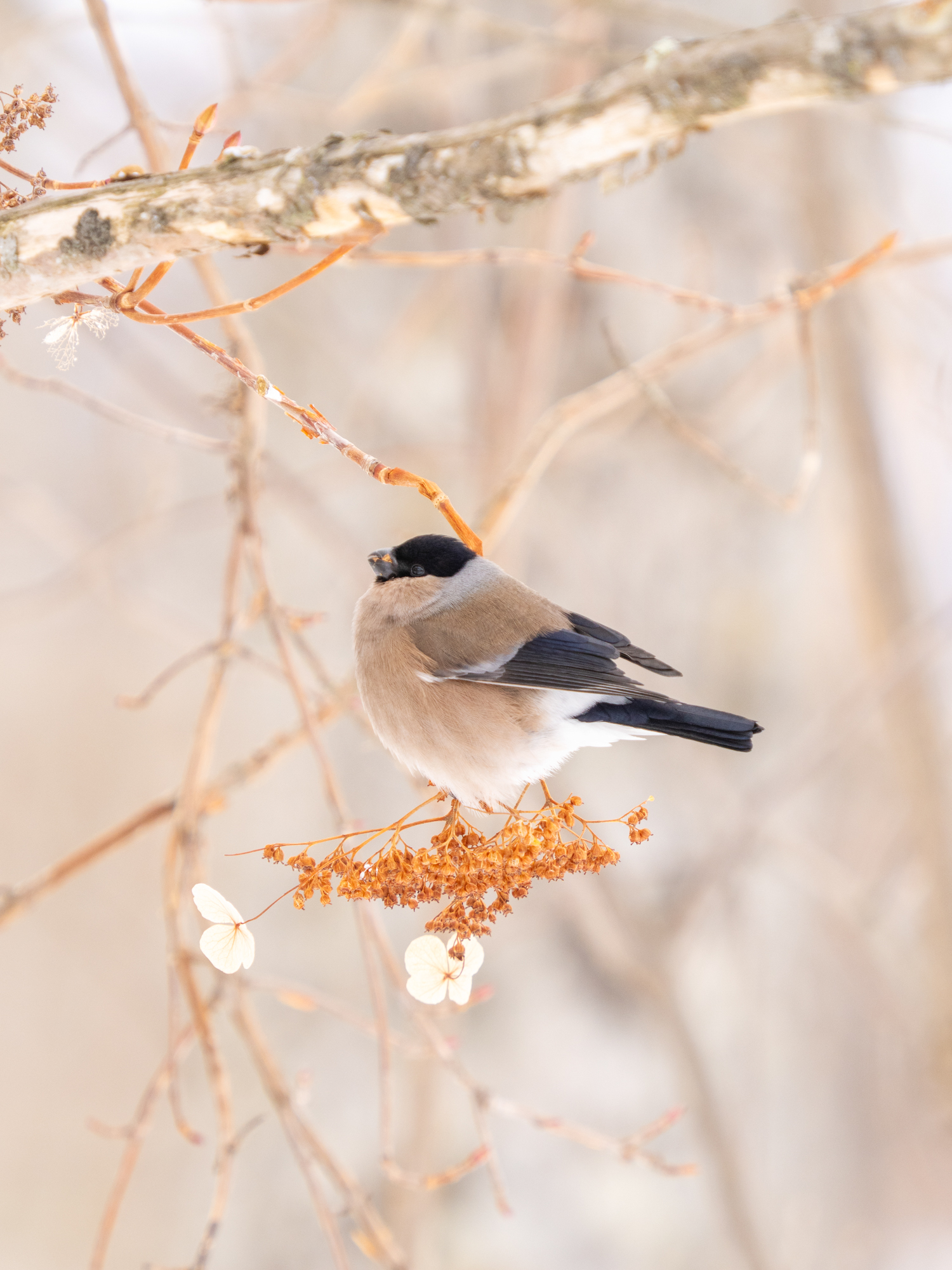
As the wellness industry continues to embrace more immersive and sensory experiences, I believe listening has an increasingly important role to play. We often talk about seeing beautiful places, yet some of our strongest travel memories are equally defined by what we hear: the first birds of dawn, waves breaking against a coastline, rain falling through a forest or the distant sound of a temple bell drifting across a valley.
Perhaps that is the next evolution of creative wellbeing. Not simply encouraging people to look more closely, but inviting them to listen as well.
As creativity continues to find its place within the wellbeing conversation, perhaps its greatest contribution isn’t what we create, but how it encourages us to experience the world. Whether through photography, writing, painting or listening, creative practices invite us to slow down, pay attention and form a deeper connection with the places we visit. In a world that constantly competes for our attention, that may be one of the most valuable journeys of all.
Hello! I’m the founder and photographer behind The Wandering Lens.
With 19+yrs experience as a professional travel and landscape photographer, all advice found on this site is from my personal experience, or that of contributors, on the road. I hope it’s useful for your own travels and would love to hear in the comments about your trips and experiences around the world.
Leave a Comment