
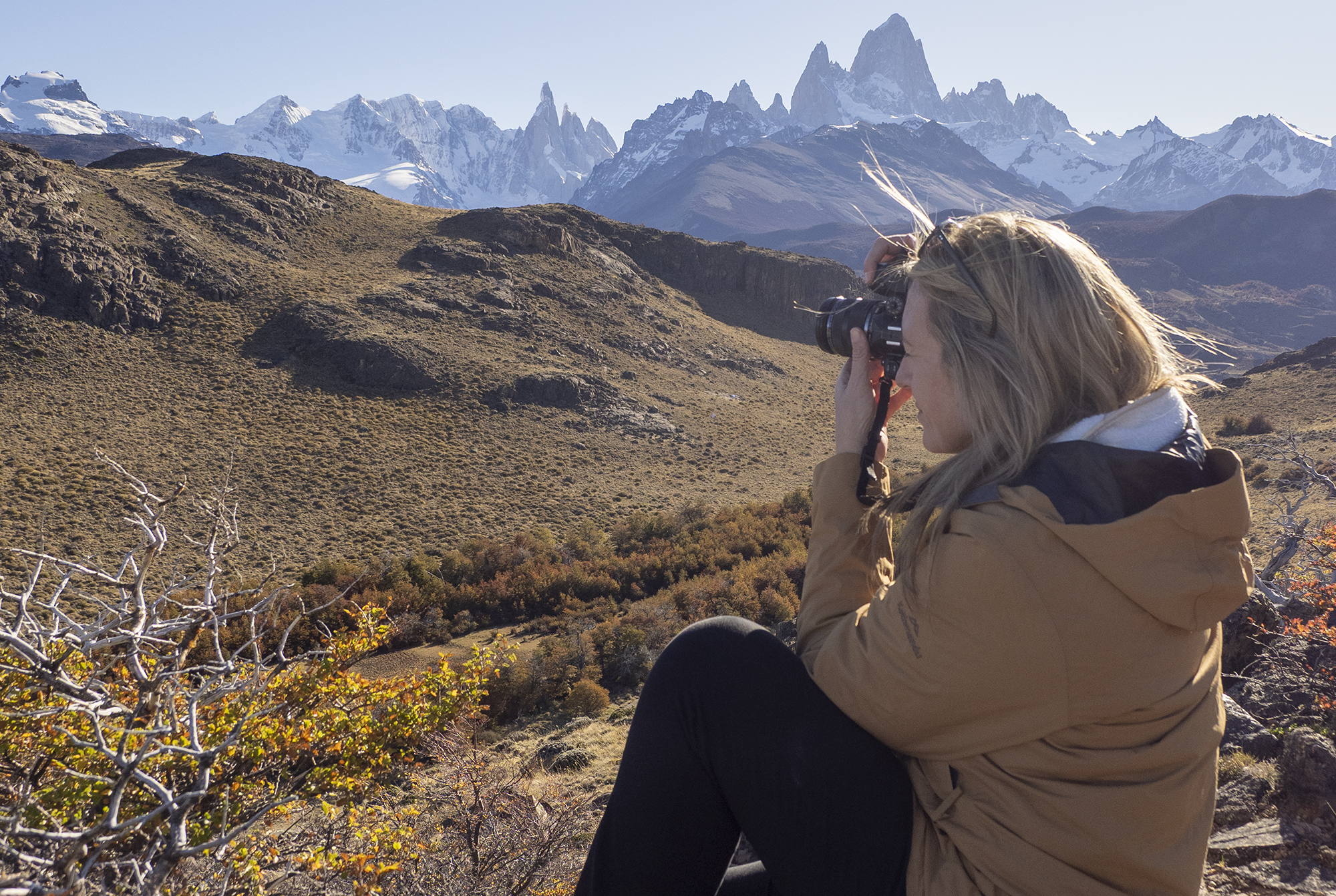
Photographing your Travels – A Quick Guide to Getting Started
Starting to focus on photographing your travels can feel exciting and intimidating in equal measure. There is so much advice available, so many images to compare yourself to, and an endless list of things you could learn. It is no surprise that many beginners feel unsure where to begin.
The good news is that while settings knowledge, quality gear and creative onfidence are eventually something you’ll develop or acquire, you don’t need it when starting out…although a camera of any kind is helpful for obvious reasons! Your photography journey should start with curiosity, observation, and giving yourself permission to learn as you go. It’s about enjoying the experiences you’re having, just as much as the images you’re capturing.
This guide is not about doing everything at once. It is about finding a calm, creative way to begin.
You don’t need to know everything before you begin
One of the biggest misconceptions about travel or landscape photography is that you need a solid technical foundation before you can take meaningful photos. In reality, learning too much too soon often leads to overwhelm and hesitation.
It is completely fine to begin without fully understanding your camera, as knowledge of settings, techniques, and editing skills will come with time and repetition. What matters most in the beginning is developing your ability to notice what draws your attention and respond to it with a camera in hand.
Many confident photographers started by simply photographing what interested them, even if the results were imperfect. Those early images are part of the learning process, not something to avoid. By learning as you explore, you’re not only gaining experience, but developing your creative vision, your unique interpretation of the world around you. We can all follow the same textbooks or courses, but that would result in a very boring set of images, if we’re all shooting the same way. Confidence appears when you’re finding fulfilment and joy in what you’re creating!
Start with why you are drawn to a place
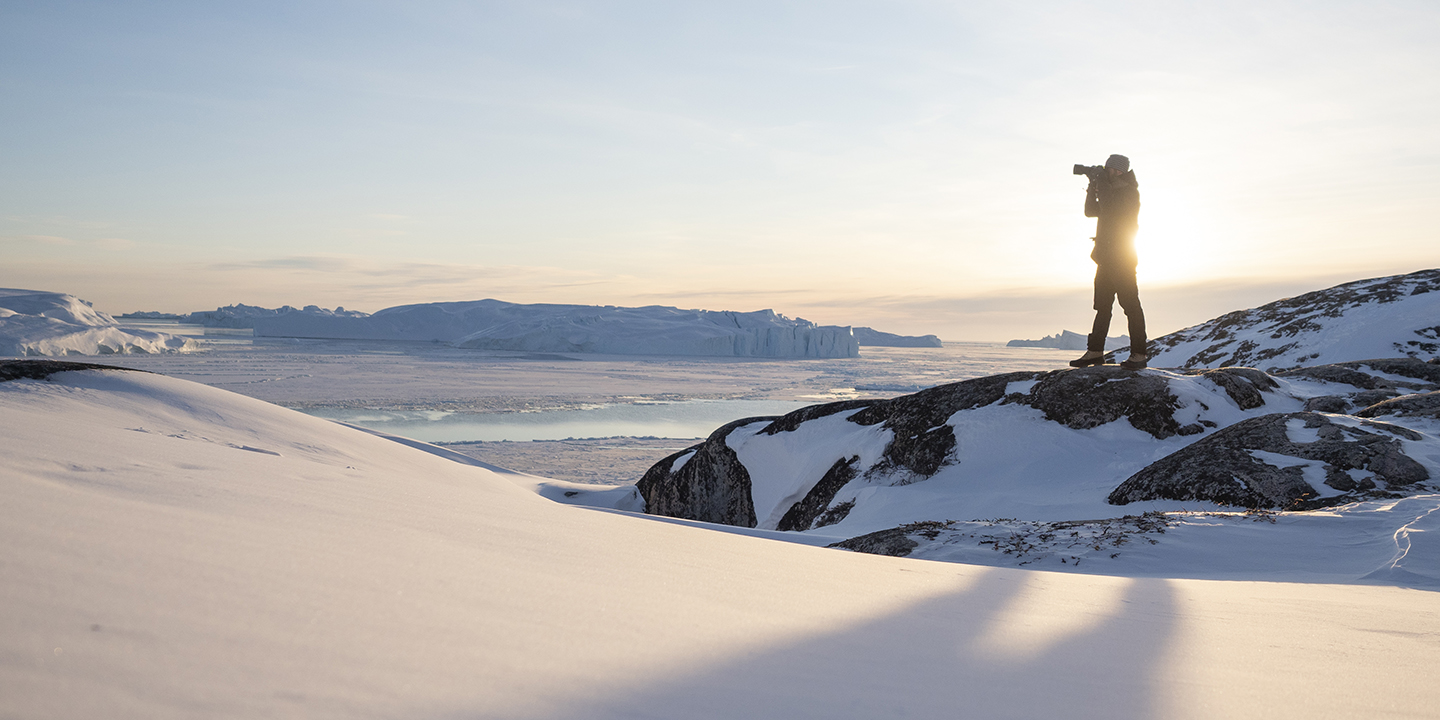
Before thinking about famous viewpoints or iconic shots, take a moment to ask yourself why a place interests you.
Is it the landscape, the light, the atmosphere, or the feeling of being somewhere unfamiliar?
Is it the quiet moments, the movement of people, or the details of distinct architecture or cultures?
Travel photography becomes far more personal when it begins with your own response to a place. This approach removes pressure and builds confidence, because there is no right or wrong answer. You are photographing what you experience, not what you think you should see.
Let observation come before the camera
When arriving somewhere new, it can be tempting to start photographing straight away. Instead, give yourself time to look around first.
Notice how the light moves through the space. Pay attention to colours, textures, weather, and small details. Observe how people interact with their surroundings. These moments of observation help you understand a place before you try to capture it.
Often, the most meaningful photographs appear once you slow down. Allowing observation to come first helps you feel more present and leads to images that reflect your experience rather than a checklist of locations.
Get comfortable with the basics before worrying about Manual mode
Many beginners feel pressure to move straight to Manual mode because it seems like the ‘proper’ way to learn photography. In reality, this can add unnecessary frustration early on.
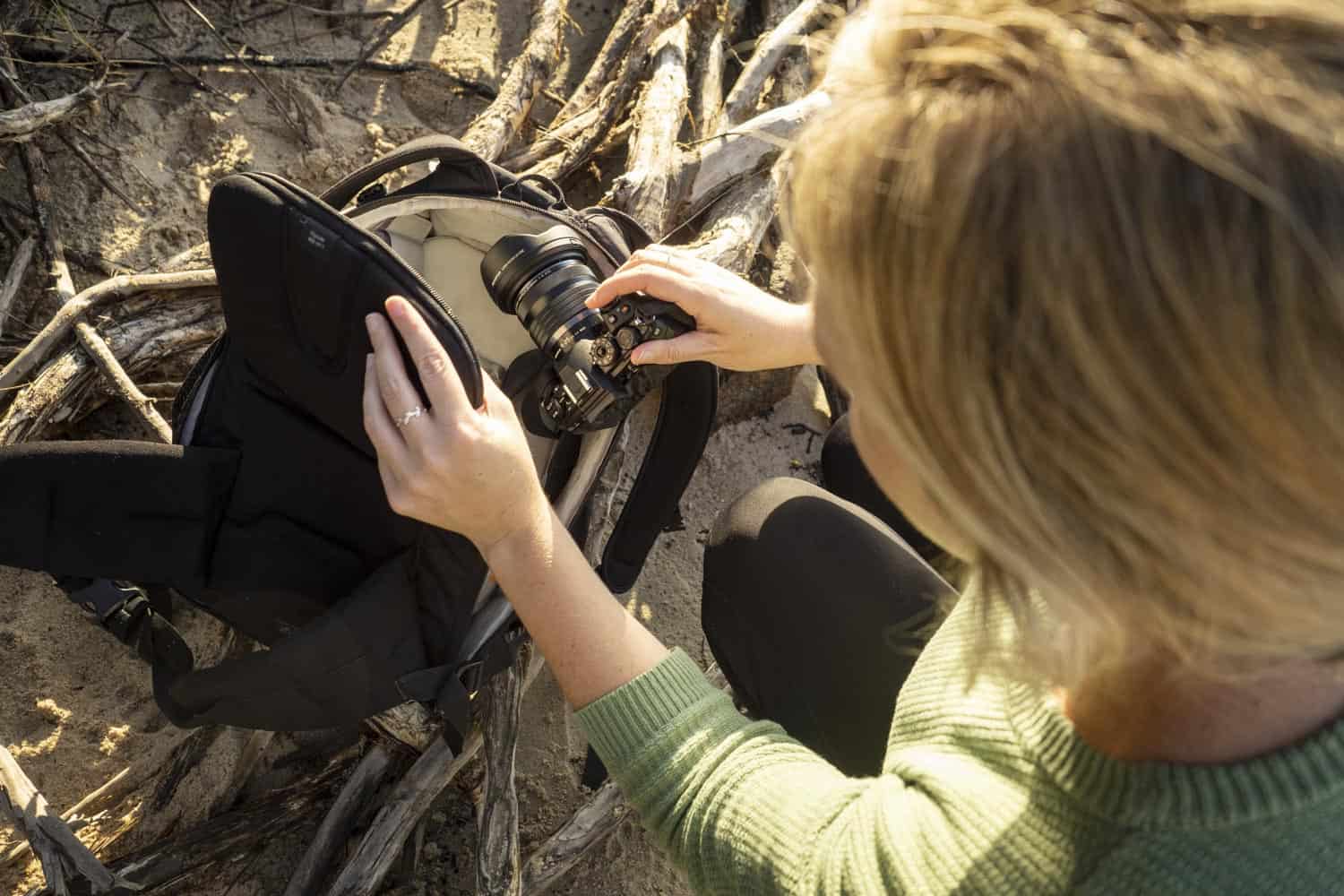
Using Aperture Priority (my go-to), Shutter Priority, or even Auto while you learn is not a shortcut or a failure; it’s all about getting comfortable with your gear, learning what the buttons do, and how each setting impacts the outcome of your image. These modes allow you to focus on seeing, composition, and timing, while your camera handles some of the technical decisions in the background.
As you become more comfortable, Manual mode will start to make sense naturally. There is no deadline to reach it. Confidence grows through experience, not by forcing complexity too soon.
Document the experience
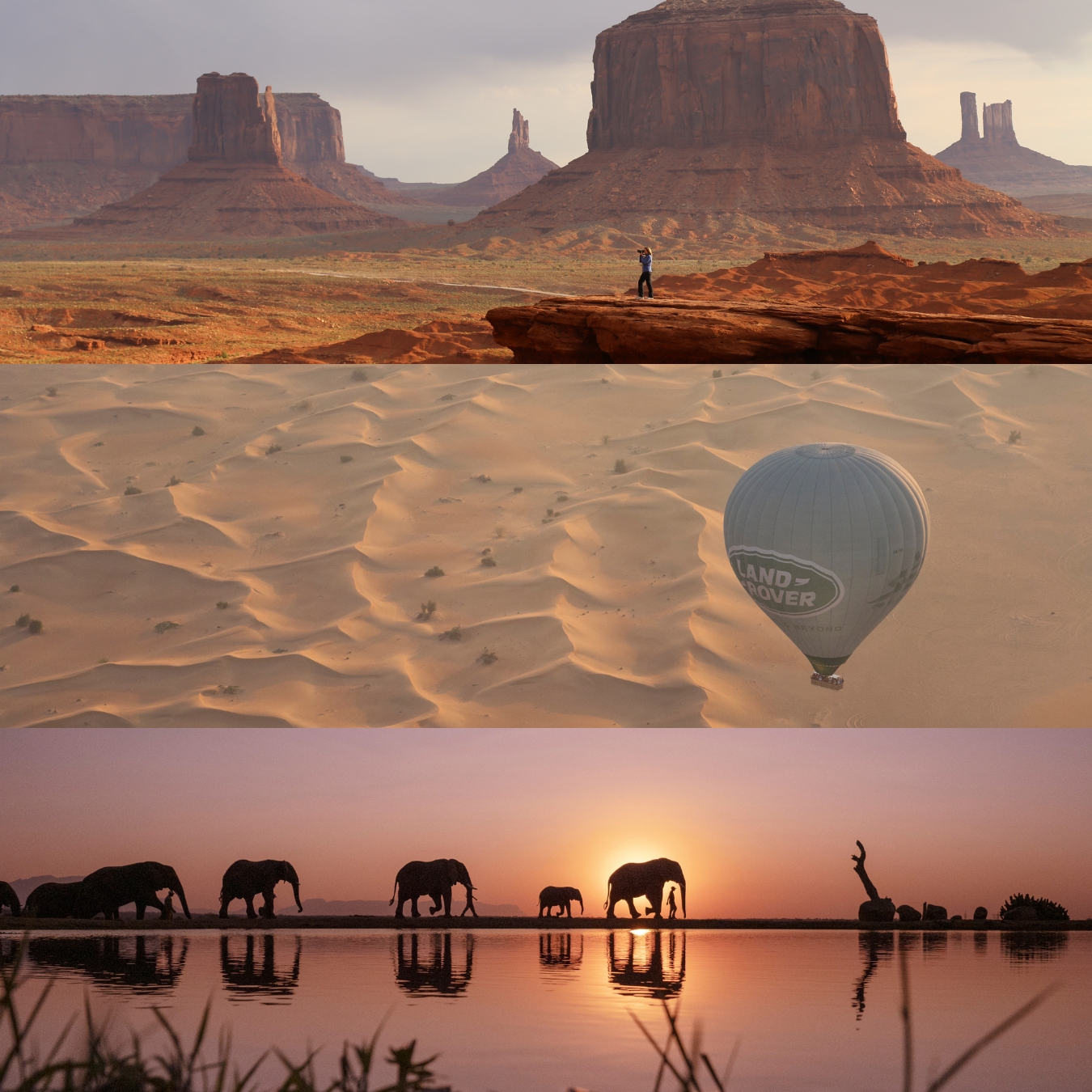
Many beginners feel pressure to come home with images that match what they have seen online. This can lead to disappointment when reality looks different from expectations.
Travel photography doesn’t need to be about recreating well-known images, going viral, or getting comments saying ‘wow, great shot’. Some of the most rewarding photographs come from quiet moments, changing light, unexpected details, or simply capturing how a place made you feel.
If something catches your attention, trust that instinct. Those images are often the ones you return to later, because they are connected to a memory or emotion rather than a location alone.
You do not need to travel far to practice
Travel photography is not limited to international trips or once-in-a-lifetime journeys. Some of the best learning happens closer to home.
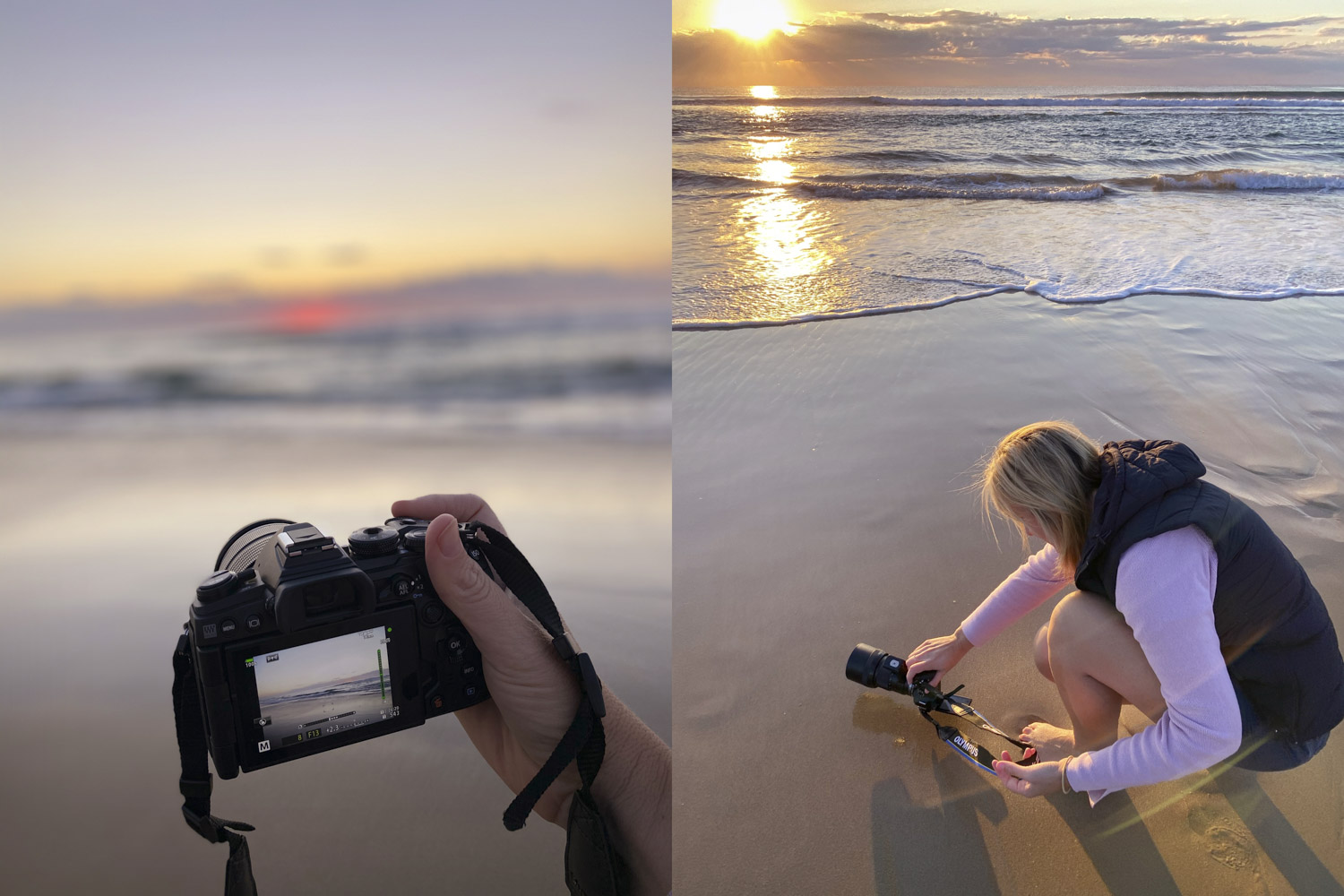
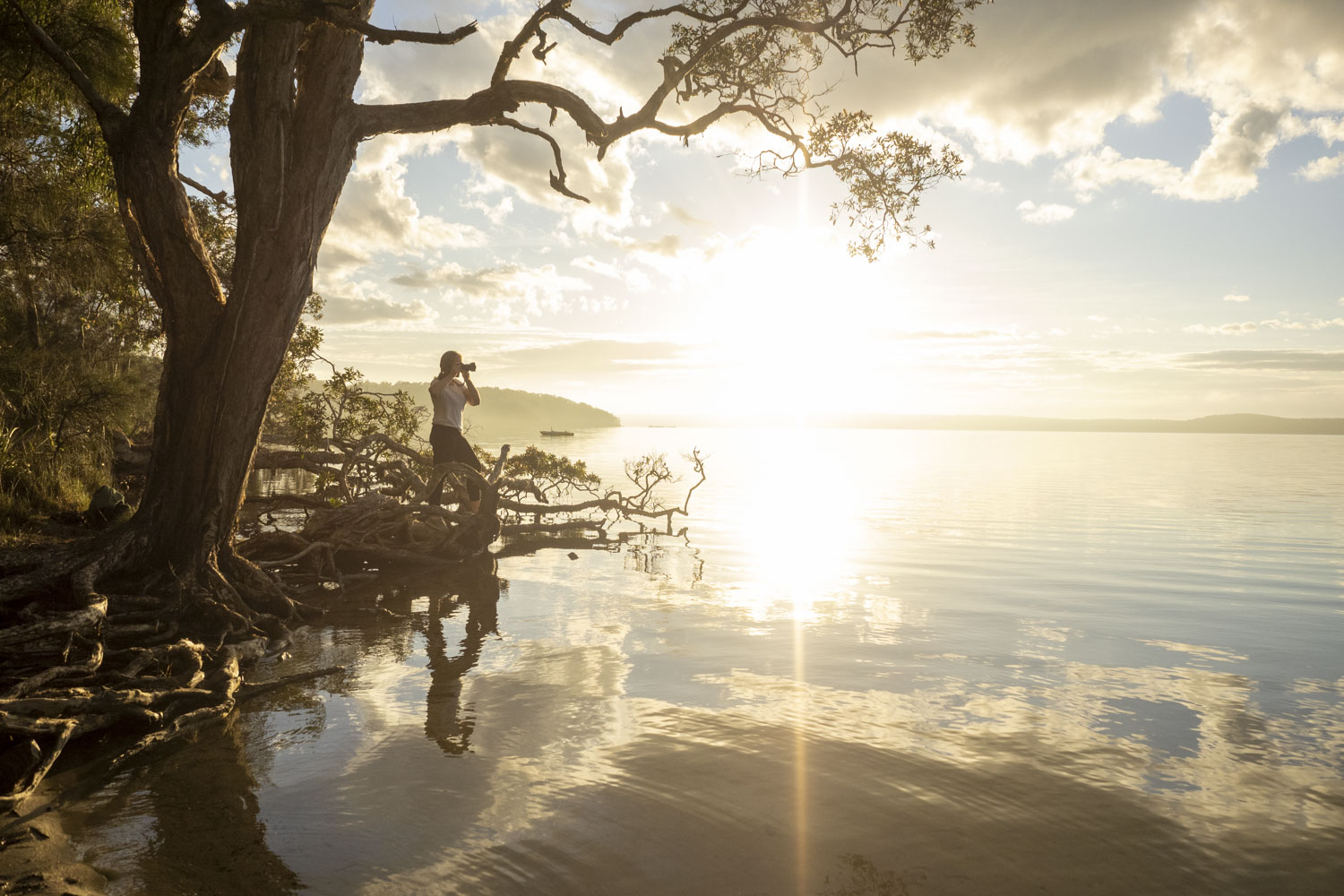
Photographing familiar places allows you to practice without pressure. You can revisit locations in different light or weather, notice subtle changes, and experiment freely. This builds confidence and helps you develop your own way of seeing.
Even planning future trips, researching destinations, or revisiting images from past travels can be part of your creative practice. Photography does not only exist when you are away.
Learning is easier when you are not doing it alone
As you begin, questions will naturally come up. Am I doing this right? How would someone else approach this scene? Is anyone else finding this challenging, too?
Learning alongside others can be incredibly reassuring. Seeing how different photographers interpret similar ideas helps you realise there is no single correct way to photograph a place.
Supportive creative communities offer encouragement, shared experiences, and space to ask questions without judgement. For many photographers, this sense of connection is what helps them keep going. You’ll find there are local photo meet ups in your area, if you’re keen to have an adventure you could join an international photography tour, or if you’d like somewhere you can visit regularly, you’re welcome to join us inside The Travel Photography Club.
Improving your travel photography is a long-term journey, not something to master in one trip or one year. Starting slowly allows you to enjoy the process, build confidence, and develop a deeper relationship with photography over time.
If you enjoy learning through shared experiences and thoughtful discussion, you may also enjoy being part of a creative community centered around travel and photography. I host a global photography club where photographers at all stages connect, learn, and explore ideas together in a supportive environment. Take a peek at the club details here, we’d love to meet you if you’re a like-minded traveller who enjoys wandering with their camera whether it’s close to home, or somewhere exotic and remote!
Explore the Membership + Creative Community here.
Hello! I’m the founder and photographer behind The Wandering Lens.
With 19+yrs experience as a professional travel and landscape photographer, all advice found on this site is from my personal experience, or that of contributors, on the road. I hope it’s useful for your own travels and would love to hear in the comments about your trips and experiences around the world.
Leave a Comment